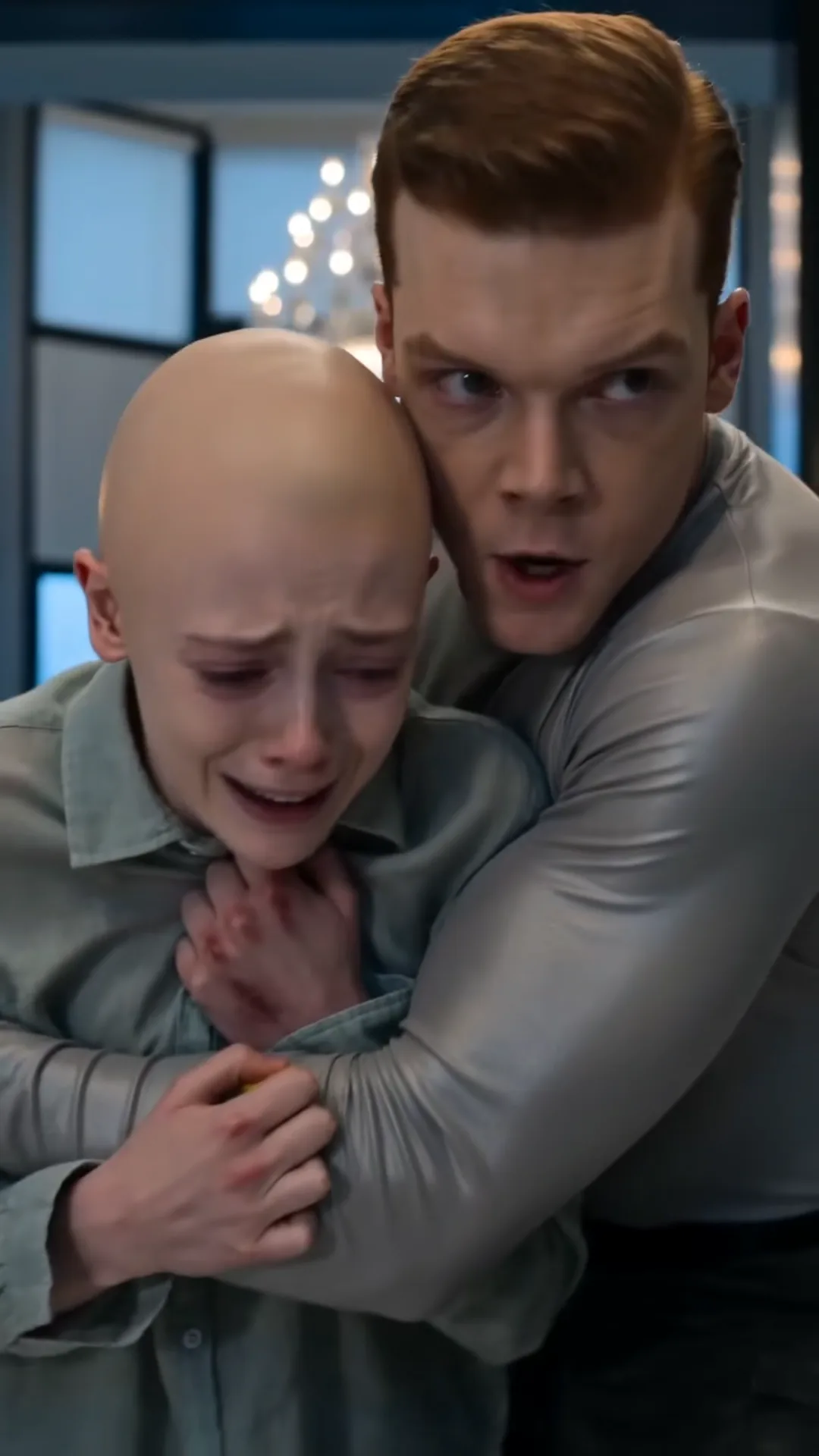
Chapter 1 - Two Years, Eleven Time Zones

The plane smelled like recycled air and old coffee.
Daniel Cole had memorized that smell.
He'd memorized a lot of things in two years. The click of a safety catch. The particular silence right before mortar fire. The way desert dust settled into the creases of his knuckles no matter how many times he washed them.
He had not memorized how to come home.
His phone had four hundred and twelve unread messages. He scrolled past all of them except one folder.
Grace.
The last text was fourteen months old.
I'm okay, D. Don't worry about me. Focus on staying alive over there. I love you.
He had read it so many times the letters didn't look like words anymore. Just shapes. Just a ghost of his sister's thumbs moving across a screen.
After that, nothing.
No calls. No birthday message. No reply to the seventeen voicemails he'd left over eleven time zones and two deployments extended.
He told himself it was signal problems. He told himself the Whitfield estate was old money, old-fashioned, maybe they didn't believe in phones at the dinner table.
He told himself a lot of things on that plane.
---
His sergeant had asked him once, somewhere outside Kandahar, why he sent half his combat pay home every month.
"My sister married into money," Daniel had said. "She doesn't need it."
"Then why send it?"
Daniel hadn't answered that. He didn't have a good answer. Just a feeling, low and constant, like a stone in his boot he couldn't shake loose.
Grace was twenty-three when she married Julian Whitfield. Daniel had walked her down the aisle because their parents were gone, both of them, a car on black ice when Daniel was seventeen and Grace was twelve.
He remembered her at eight years old, missing her front tooth, insisting she could fix his broken toy soldier with tape and stubbornness.
It's not gone, Danny. It's just resting.
That was Grace. She fixed things. She believed things could be fixed.
He remembered her at the wedding, laughing so hard champagne came out her nose, the chandeliers of the Whitfield mansion throwing gold light across her face like she'd been poured from the same warm metal.
He remembered thinking: she's going to be safe now.
He was wrong about a lot of things too.
---
The taxi from the airport took forty minutes.
Daniel spent thirty-eight of them rehearsing what he'd say.
Hey, Gracie. Surprise. I got leave. Wanted to see your face.
Simple. Normal. The kind of thing a brother says.
He did not rehearse what he'd say if something was wrong, because some part of him — the part that had learned to read a room before it read a threat — already knew.
Fourteen months of silence wasn't nothing.
Fourteen months of silence was a scream nobody had let out yet.
---
The estate gates were wrought iron, taller than two men, flanked by hedges clipped into perfect rectangles.
Daniel had been here twice before. Once for the wedding. Once, briefly, on leave three years ago, when Grace had still laughed easy and the house had still felt like a place instead of a warning.
He told the driver to wait at the gate.
He wanted to walk the last stretch. He wanted a minute.
The gravel crunched under his boots. His duffel bag hung off one shoulder, the strap worn thin from two years of transit. He caught his reflection in a darkened window as he passed — jaw tighter than he remembered, eyes older.
War does that. Makes you a stranger to your own face before it makes you a stranger to anything else.
He climbed the front steps.
The door was already open.
Not wide. Not an invitation. Just a careless gap, the kind rich houses leave because they've never once feared what might walk through.
He stepped inside.
---
The foyer hit him first with light — a crystal chandelier the size of a small car, throwing prisms across white marble floors polished to a mirror shine. Beige archways curved overhead like the ribs of something enormous and sleeping.
It was beautiful in the specific way that made Daniel's stomach turn.
Beautiful like a wound that had healed wrong.
He set his duffel down by the door, quiet, the way he'd learned to move in rooms that might not be empty.
Somewhere ahead, a soft scraping sound. Ceramic against stone.
He followed it.
And stopped walking.
Because there, kneeling on the white marble in a patch of gold afternoon light, was a woman with no hair and no shoes, wiping up the pieces of a broken plate with a kitchen sponge like her life depended on getting every last shard.
His mouth opened before his brain caught up.
"Grace?"
---
She didn't move at first.
Her shoulders were sharp under a gray shirt three sizes too big, the collar gaping to show a collarbone that cast its own small shadow.
He knew that shirt wasn't hers. Grace didn't own clothes that swallowed her whole.
He knew that head wasn't hers either — not because he didn't recognize the shape of it, the delicate curve of skull he used to see under a mess of chestnut hair when they were kids and she'd fall asleep on the couch — but because Grace had cried for two hours once, at nineteen, over a bad haircut.
This wasn't a haircut.
This was something taken.
The suitcase handle bit into his palm. He realized he was gripping it hard enough to hurt.
"Grace," he said again, softer this time, like the word itself might shatter something if he said it wrong.
The sponge stopped moving.
Her shoulders rose. Fell. Rose again, faster.
And then, slow — so slow it looked like it cost her something — she lifted her head.
---
The chandelier light caught her face first.
Then the hollows under her eyes.
Then the fact that she was smiling, actually smiling, a smile that broke Daniel clean down the middle because it was the same smile from the eight-year-old with the missing tooth, the same smile from the wedding, still somehow alive in a face that looked like it belonged to someone twenty years older.
"Daniel," she whispered.
Not a question. Not surprise, exactly.
Relief. The kind of relief that only exists on the far side of having stopped hoping.
He was already moving toward her before his legs had made the decision.
Somewhere above them, on the curved staircase, two figures paused mid-step — a young blonde woman in a silk slip dress, and behind her, an older woman with silver hair pinned high, both of them frozen like they'd just heard a door they'd nailed shut come open again.
Daniel didn't look up at them.
Not yet.
Right now, there was only the floor, and the broken plate, and his sister, small and shaking, finally close enough to hold.
---
He dropped to his knees in front of her, careless of the ceramic shards, careless of anything except the fact that her hands — when she reached for him — moved wrong. Stiff. Careful. Like reaching hurt.
"I'm here," he said. "I'm here, Gracie."
She made a sound against his shoulder that wasn't quite a sob and wasn't quite a laugh, some third thing that only comes out of a person who has held everything in for so long the container has started to crack.
Above them, the blonde woman on the stairs took a step down.
Then stopped.
Something in the way Daniel held his sister — one hand cradling the back of her bald head like she was made of something breakable, one hand already, unconsciously, feeling along her spine for injuries he prayed he wouldn't find — made even her hesitate.
May you like



For the first time in fourteen months, someone in this house was afraid of the right person.
---