Chapter 12
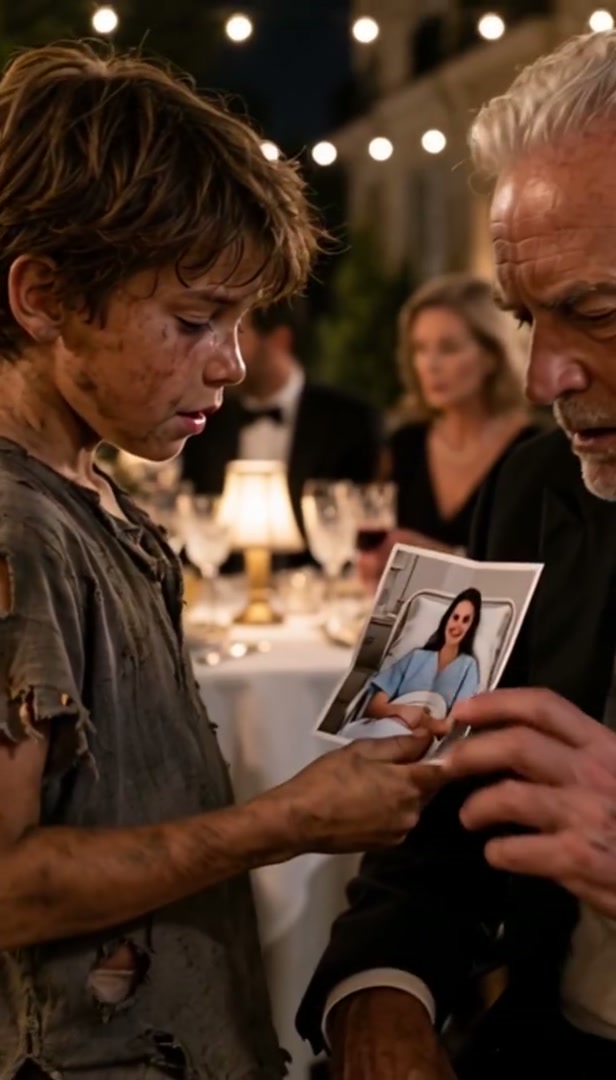
The window turned from black to a dirty, slate gray as the first winter light began to bleed over the rooftops of the thirteenth arrondissement. The hum of the city outside grew louder as the delivery trucks and early commuters filled the streets, their engines rattling against the cold morning air.
Julian hadn't slept. He sat in the plastic chair with his hands folded over the head of his silver-handled cane, watching the gray light creep across the linoleum floor toward the foot of the bed. Every time the oxygen machine clicked, his shoulders twitched slightly, as if he were keeping time with a metronome only he could hear.
Clara stirred just as the steeple clock of the nearby church struck six. Her eyes opened slowly, the dark irises catching the pale morning light from the high window. She didn't look tired now; there was a strange, sharp clarity in her expression that felt more dangerous than exhaustion.
"You're still here," she whispered.
"I didn't have anywhere else to be," Julian replied.
"You never did," she said, a faint ghost of a smile touching the corners of her dry lips. "That was always your trouble, Julian. You stayed too long in the places you hated because you were too proud to walk out the front door."
"I walked out," Julian said quietly.
"You ran," she corrected him. "There's a difference. Running leaves tracks in the mud. Walking leaves a map."
Julian looked down at his hands. The skin was old, spotted with the liver spots of seventy years, but the fingers were still long and steady. He thought of the three buildings on the boulevard, the marble floors, the brass nameplates on the doors that nobody ever read. They were just tracks in the mud, frozen solid by the winter frost.
"The boy has your hands," Julian said, nodding toward Leo, who was still fast asleep, his breathing deep and even against the blanket.
"He has your stubbornness," Clara replied. "Which is worse. He walked six miles through the rain with a piece of wood and a photograph because he decided you were going to fix what you broke."
"I can't fix it, Clara," Julian said, and for the first time, his voice cracked, the flat iron edges splintering into something raw and ragged. "The time is gone. The mill is a parking lot now. I drove past it last year. There's a supermarket where the garden used to be."
May you like



"I know," she said softly, reaching out her thin hand to touch his sleeve. "I went there when they tore it down. I bought a bag of flour from the shelf where my kitchen window used to be. You don't need the building, Julian. You just need to stop pretending you don't remember the smell of the wet pine."
***







