Chapter 4 - The Currency of Memory
Arthur stared at the red wax seal on the document sitting on his knees. His old fingers, rough and calloused like tree bark, brushed against the smooth paper.
"I don't... I don't understand," Arthur stammered, looking up into her face. "Who are you? Why would the Syndicate sell to you?"
The woman did not answer with words.
Slowly, deliberately, she reached up with her gloved right hand and unbuttoned the top two pearl buttons of her rose-pink tweed jacket. She pulled the lapel back just an inch.
Pinned to the silk lining over her heart was a tiny, dried flower pressed inside a small glass locket. It was a faded, yellowed sunflower petal.
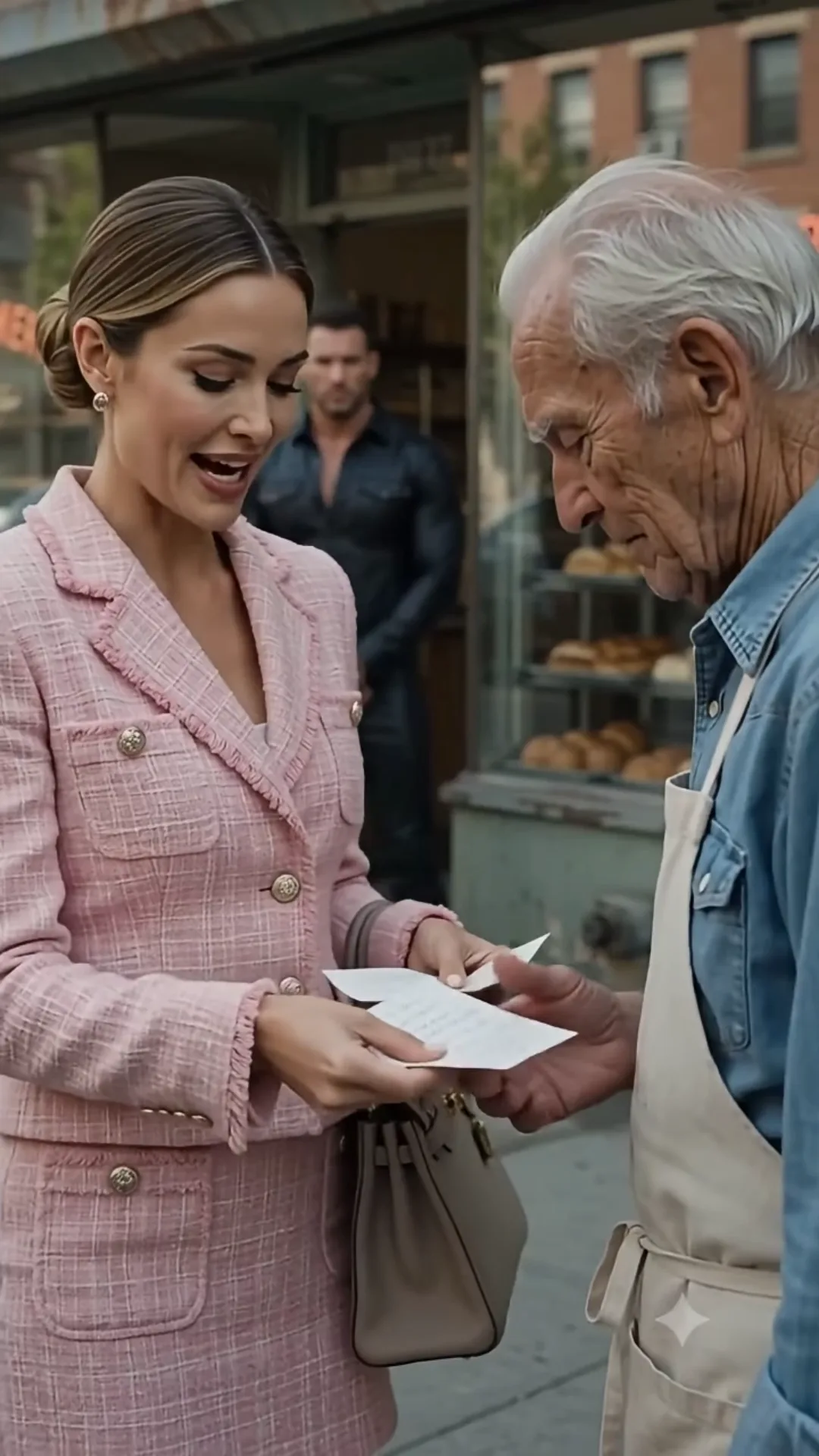
She reached into her coat pocket again, pulled out a small leather wallet, and took out a single piece of paper. It was torn from a brown paper grocery bag, yellowed with age, crumpled and smoothed out a thousand times until the grain of the paper was soft as silk.
She held it out to him.
Arthur took the scrap of paper. Written on it in thick, childish graphite pencil were six words, written twenty years ago:
WHEN YOU CAN, HELP OTHERS.
Arthur’s breath caught in his throat. The world around him—the hiss of the rain, the purr of the black sedan, the dark brick walls of Oakhaven—seemed to recede into a vast, silent distance.
He looked at her face. He looked past the expensive makeup, past the sleek golden hair, past the three-thousand-dollar pink tweed suit. He looked into her eyes.
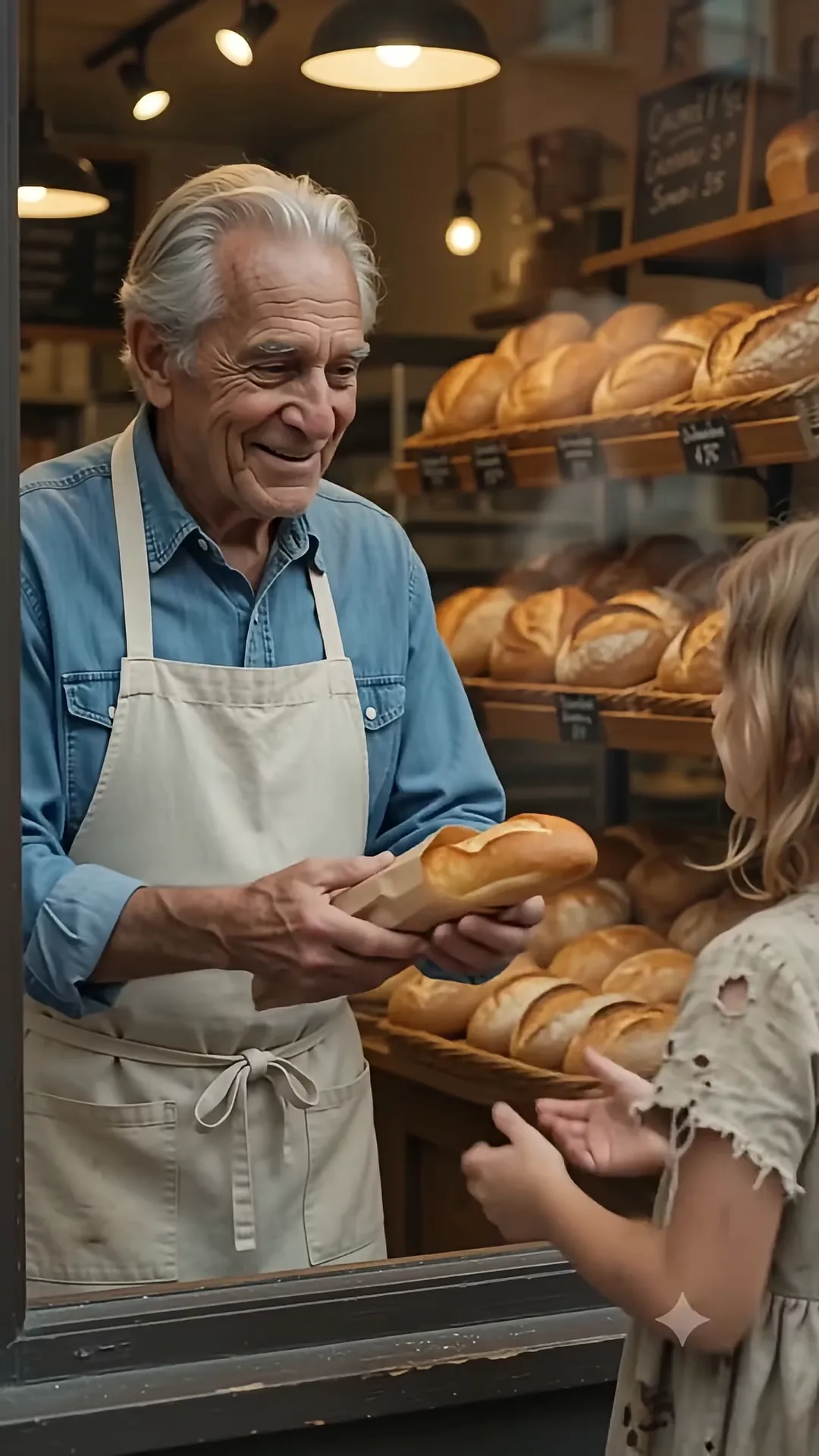
They were the same wide, fierce, sky-blue eyes that had stared at him across a glass counter twenty years ago through a mask of street mud and tears.
"The girl in the sunflower dress," Arthur whispered, his voice shaking so violently the paper trembled in his hand.
"My name is Eleanor Vance," she said softly, tears welling up in her blue eyes, catching the dim light of the bakery window. "Twenty years ago, my father died in the copper mines. My mother sold her clothes for coal. I hadn't eaten in three days when I walked into your shop. I was going to steal a knife from your counter and kill myself in the canal."
She knelt right there in the black mud of the sidewalk, her pink suede shoes soaking up the filthy rainwater, her tailored trousers resting against the cold cobblestones. She laid her gloved hands over Arthur’s flour-dusted knuckles.
"You didn't give me bread, Arthur," Eleanor sobbed, the tears spilling over her lashes, running down her pale cheeks just as they had two decades ago. "You gave me an instruction. You told me my life had value because I might one day have the power to save someone else. I took your bread. I survived the night. I went south. I worked, I fought, I clawed my way through every ledger in the capital until I owned the people who owned this city."
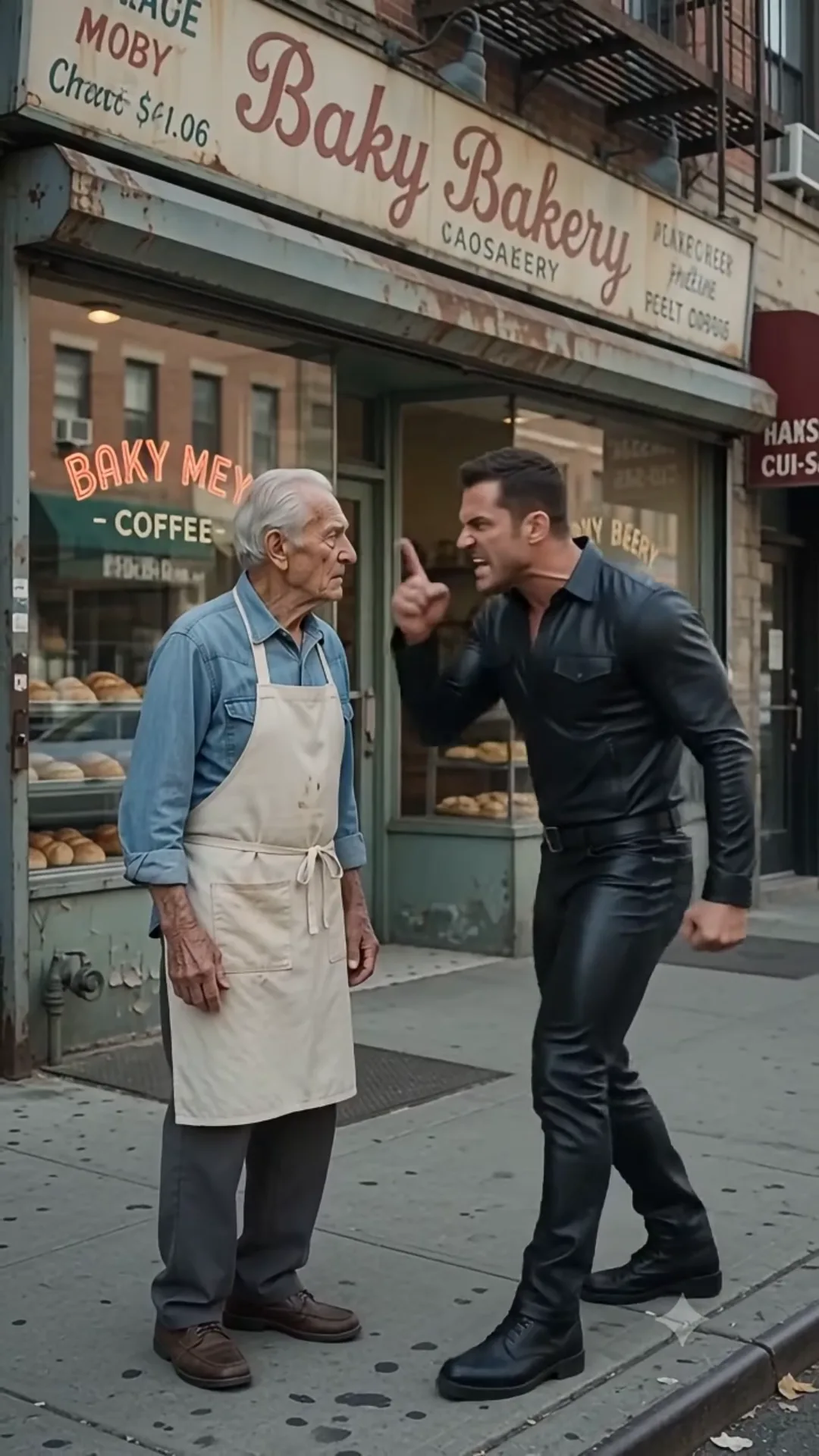
She looked up at the crumbling red brick facade of Baky Bakery.
"I spent twenty years becoming powerful enough to make sure no one could ever take your oven away from you," she whispered.
Arthur looked down at her. Tears filled his own faded blue eyes, blurring the sight of the pink suit, the black car, and the canceled deed in his lap.
He did not see a powerful corporate mogul kneeling before him. He saw the hungry, mud-splattered child who had taken a bite of warm baguette and cried because she had no copper to pay for it.
May you like



"Child," Arthur rasped, leaning forward to lift her up by her elbows. "You didn't owe me a kingdom."
"You gave me everything when I had nothing," Eleanor said, standing up and wiping her face with a white silk handkerchief. "A kingdom is the minimum interest on that debt."