Chapter 3 - What the Kennel Knew
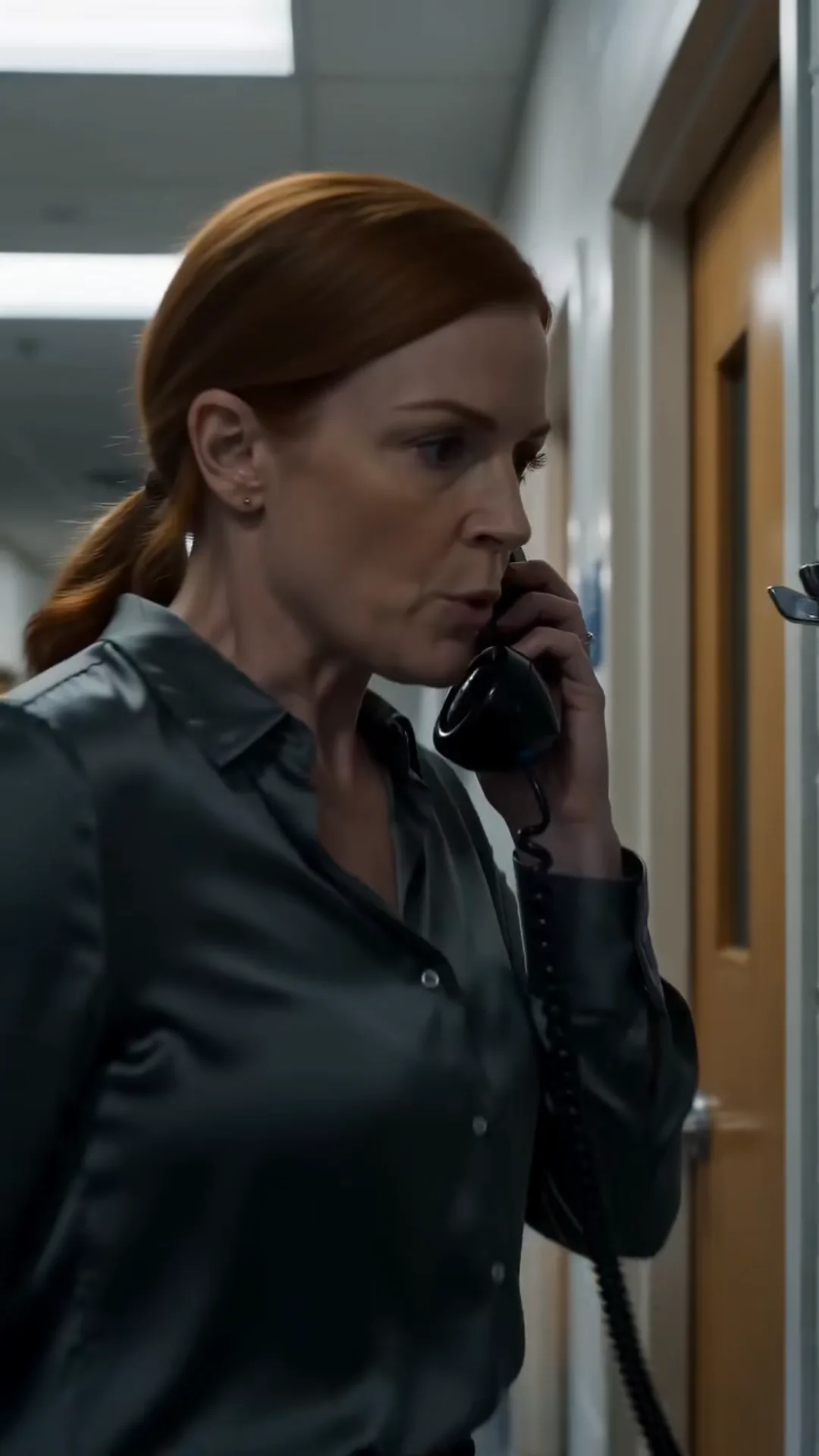
The house on Larkspur Street looks ordinary from outside.
White siding. A mailbox shaped like a barn. A swing set in the backyard that hasn't been used in two years, chains gone stiff with rust.
Inside, ordinary stops at the front door.
Diane Novak keeps the house spotless. Bleach smell in every room, so strong it makes visitors' eyes water within a minute of stepping inside. She likes it that way. Dirt is a thing that happens to other people's houses.
Emily's father, Mark, travels for work — three weeks gone, one week home, a rhythm that has held steady since Emily was five. He calls every night at seven. Diane always answers first.
"She's fine," Diane tells him, most nights, before he can even ask. "Sleeping already."
Emily is rarely sleeping already. Most nights at seven she is outside, in the kennel behind the garage, the one built for a German Shepherd named Boone who died three winters ago.
The kennel still smells like Boone. Emily has stopped minding.
She has a blanket out there, hidden under a loose board, that Diane doesn't know about. She has a flashlight with a dying battery. She has a stuffed rabbit with one ear chewed off — by Boone, years ago, back when the kennel meant something else.
Tonight, before any of this happened, before the ruler, before the classroom — tonight is not tonight. This is before. This is the why.
Two nights ago:
"You broke it," Diane says, holding up the shattered picture frame — Diane and Mark's wedding photo, glass spiderwebbed across the happy faces.
"I didn't," Emily says. "The cat knocked it—"
"We don't have a cat."
"The neighbor's cat, it comes in through—"
Diane's hand closes around Emily's arm before the sentence finishes. Four fingers, one thumb, a grip practiced enough to leave a shape behind.
"You don't lie to me in my own house."
She doesn't yell. That's the part that would surprise anyone watching. Diane never yells. She talks in the same flat, reasonable voice she'd use to order coffee.
"Go clean the kennel. It smells like something died out there."
"It's cold tonight—"
"Then clean fast."
Emily goes. She always goes. Going is easier than what happens when you don't.
She kneels in the kennel with a rag and a bucket of water gone lukewarm, scrubbing at concrete that doesn't need scrubbing, because the scrubbing isn't really the point.
When she finishes, she tries the back door.
Locked.
She knocks. Softly at first, then harder.
No one answers.
She sits down against the kennel's wire mesh, knees to her chest, and watches her breath fog in front of her face, and waits for a window of light to appear somewhere in the house that means someone remembers she's out here.
No window lights.
She falls asleep sitting up, the way she'll fall asleep at her desk two mornings later, the way her body has learned to grab sleep wherever sleep is available, because nighttime is not a safe place to need it.
Back to now.
CPS caseworker Renata Cruz reviews the intake report in her car outside Emily's school, engine idling, heater blasting against a cold that has nothing to do with the weather.
Visible bruising, fingerprint pattern. Disclosure of being locked outside overnight in a structure not intended for human habitation. Disclosure corroborated by teacher observation of chronic exhaustion, poor hygiene, defensive behavior around clothing.
She's seen worse reports. She's seen better-hidden ones, too — parents smart enough to bruise where shirts cover, smart enough to coach a child's story into something that sounds like an accident.
Diane Novak strikes her, on paper, as the second kind.
May you like



Renata gets out of the car.
---







