Chapter 4 - The Interview Room
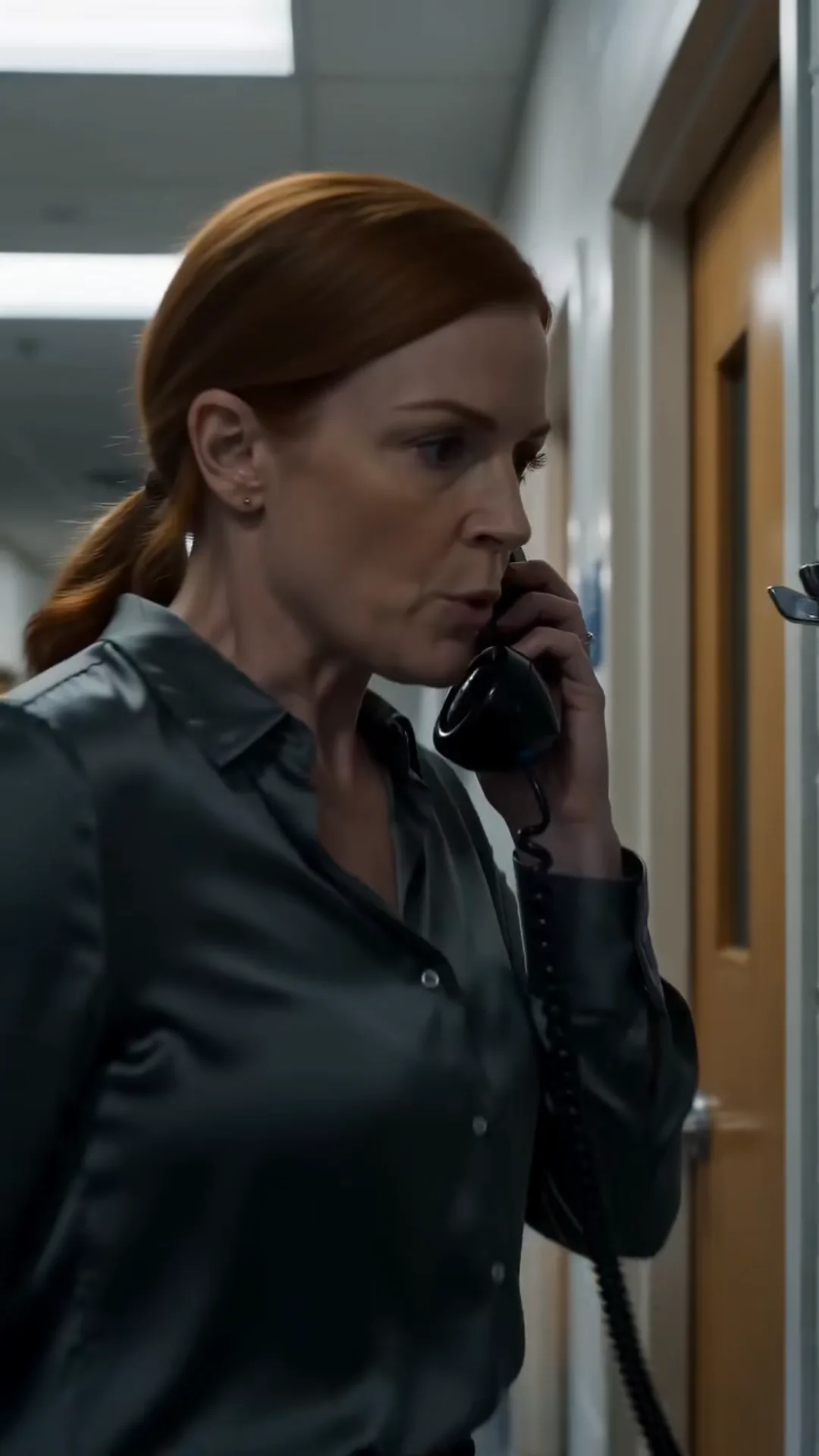
The room they use for these interviews has a table too big for a child and two chairs that don't match.
Emily sits with her feet not touching the floor, swinging slightly, the only part of her that moves.
Renata sits across from her, notebook closed, hands folded, the posture of someone who has learned that pens make children stop talking.
"You're not in trouble," Renata says. "I want you to know that first."
Emily nods. She's heard this sentence today already, from Ms. Bennett. It's starting to sound like something adults say right before something bad happens anyway.
"Can you tell me about the kennel?"
Emily's eyes drop to her own hands.
"It's not really a kennel," she says. "It's just where Boone used to live."
"Who's Boone?"
"Our dog. He died."
"And now you stay out there sometimes?"
A long pause. Emily's fingers pick at a hangnail until it bleeds a little, a bright bead of red she studies instead of answering.
"Sometimes I'm bad," she says finally. "And I have to think about it."
"Who tells you you're bad?"
"Diane."
"Your stepmom."
Emily nods.
"Does your dad know you stay outside?"
"He's not home a lot."
"When he is home. Does he know?"
Emily's jaw tightens in a way that ages her whole face by ten years in half a second.
"He thinks I'm sleeping in my room."
"Have you told him the truth?"
"I tried once."
"What happened?"
Emily's swinging feet go still.
"Diane said I was making up stories for attention. She cried. Dad believed her because she cried and I didn't."
Renata writes nothing down yet. She's learned that too — write later, in the car, from memory, so the child never watches their words become a document.
"That must have felt lonely," Renata says. "Telling the truth and not being believed."
Emily shrugs, the specific shrug of a child who decided a long time ago that this feeling doesn't have a name worth using.
"The bruises," Renata says gently. "Can you tell me how you got those?"
"Diane grabs me sometimes. When I don't move fast enough."
"Fast enough for what?"
"Whatever she wants."
Renata studies the girl's face — flat now, guarded, the openness of the classroom confession long since sealed back up under something more defensive.
"Emily, I want to ask you something, and I want you to know there's no wrong answer."
Emily looks up.
"Do you feel safe at home?"
The question sits in the room a long time.
"I feel safe at the kennel," Emily says finally. "Boone's smell is still there. Boone never hurt me."
May you like



It is, Renata will write later that night, one of the most devastating sentences she has heard in eleven years of this job — a child finding more safety in a dead dog's empty house than in her own living one.
---







