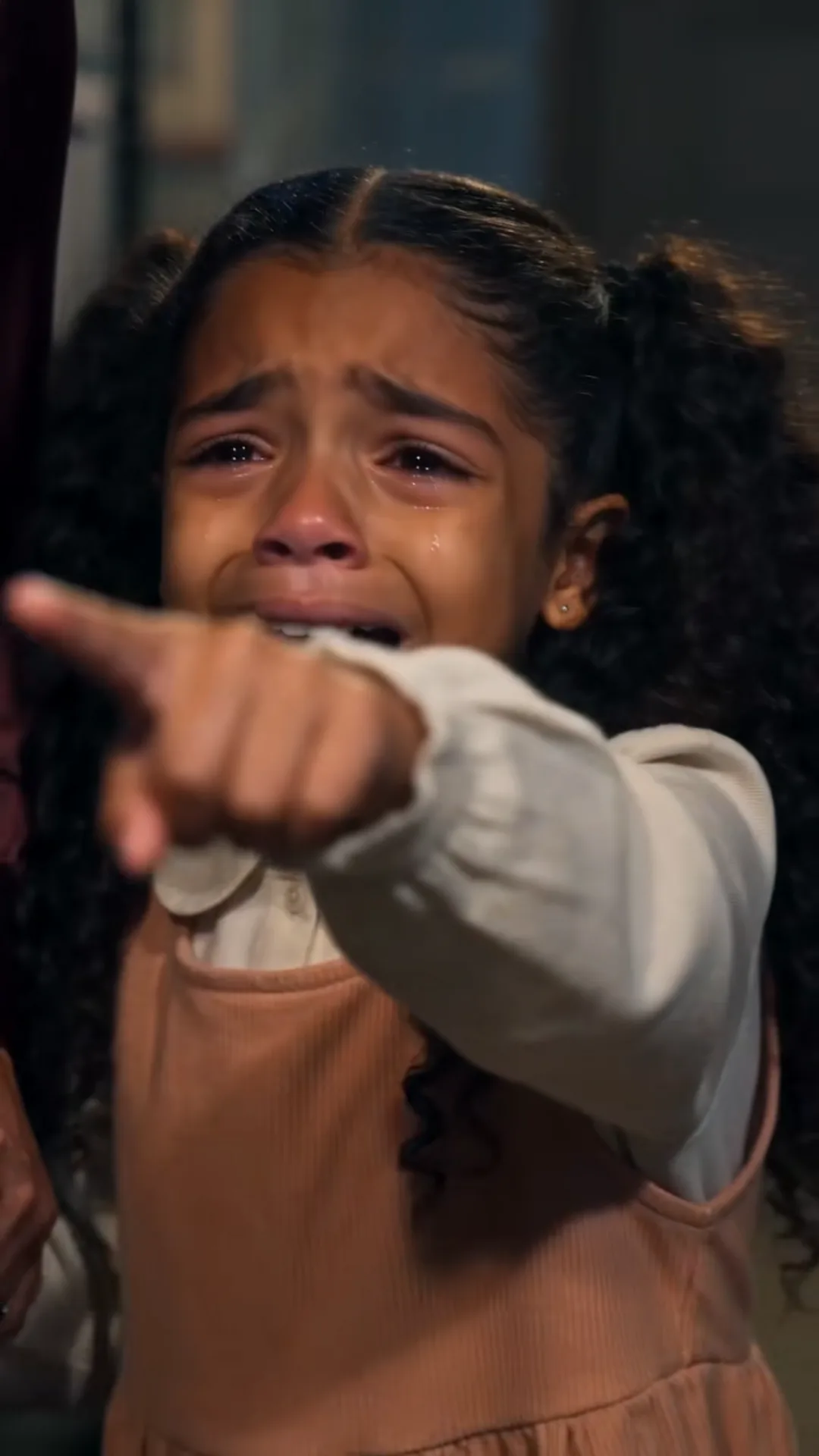
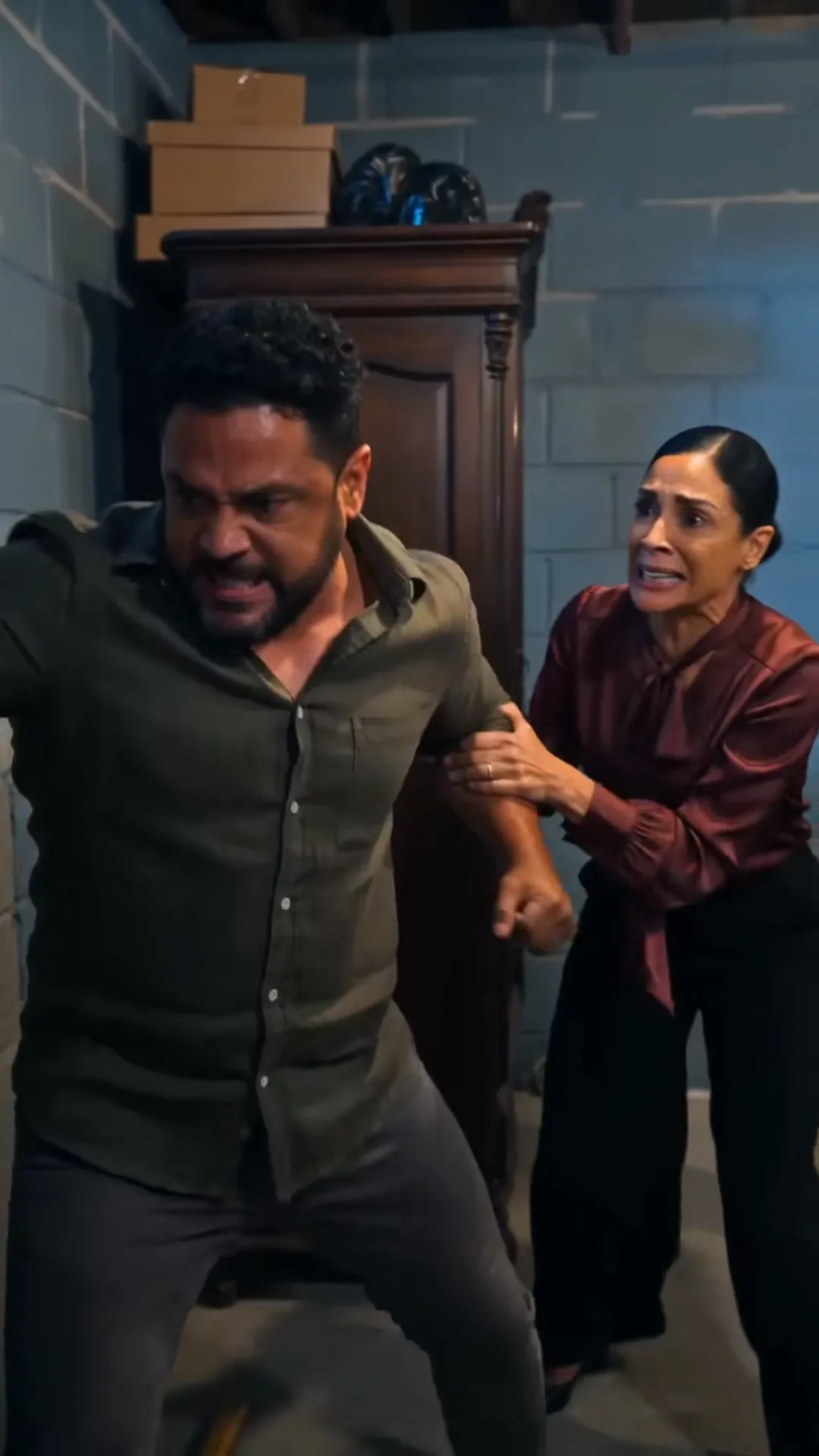
Chapter 1 - The Room That Wasn't a Room
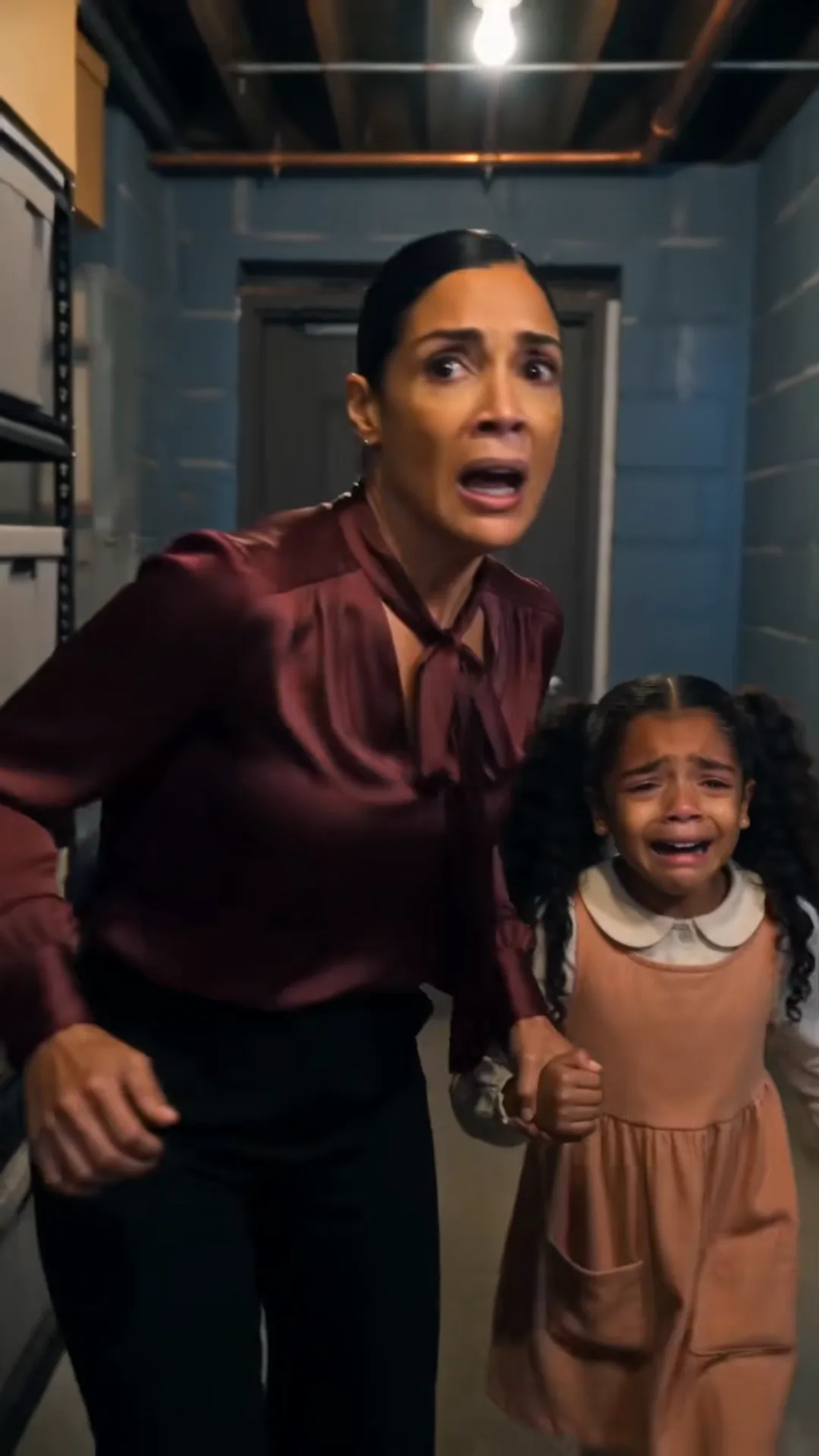
The wardrobe had always been there.
Lily didn't remember a time before it — a huge, dark, antique thing standing against the basement wall, its wood so old it had gone the color of tea left out too long.
Nobody used it.
That was the first strange thing, if you were the kind of seven-year-old who noticed strange things, which Lily was.
A wardrobe with nothing inside it except old coats too big for anyone in the house, coats that smelled like dust and something else underneath the dust, something Lily didn't have a word for yet.
She wasn't allowed in the basement alone.
Her mother, Claire, had never explained why, exactly. She just said it in that particular voice — light, easy, the voice of someone stepping carefully around a hole in the floor she didn't want you to notice was there.
"It's just boxes down there, sweetheart. Boring grown-up stuff."
Lily believed her the way children believe most things — not because the logic held up, but because the person saying it was the person who tucked her in at night, who knew exactly how she liked her sandwiches cut, who loved her in all the ordinary, provable ways a mother loves a daughter.
Still.
Some nights, lying in bed with the hallway light spilling gold under her door, Lily heard something.
Not footsteps. Not quite.
Something softer. A shifting sound, far below, like furniture settling, or like something behind the furniture settling instead.
She asked her father about it once.
Marcus wasn't really her father — he'd married her mother two years ago, back when Lily was five and still small enough to be carried on shoulders through grocery stores — but he was the only father she remembered clearly enough to matter, and he answered questions the way fathers were supposed to, directly, without the careful padding her mother wrapped around everything.
"Probably the house settling," he said, not looking up from the newspaper. "Old houses make noise."
"It sounds like someone walking," Lily said.
Marcus looked up then. Just for a second. Something crossed his face — not concern exactly, more like a thought filed away for later, a small crack of attention he didn't yet know how to use.
"I'll check it out sometime," he said.
He didn't, not for weeks.
That was the thing about grown-ups, Lily was learning. They said I'll check it out the way they said we'll see — words that meant not today, words designed to end a conversation rather than continue one.
So Lily started checking herself.
Not the basement — she wasn't brave enough for that, not directly — but the smaller things around it. The way her mother's shoulders went stiff whenever anyone mentioned moving the wardrobe for the spring cleaning. The way a second toothbrush appeared in the downstairs bathroom sometimes, used, damp, and then vanished again before anyone else could notice it. The way there were, some mornings, two sets of small footprints in the frost on the back porch, though Lily herself had only gone outside once.
She started leaving things by the basement door.
A cookie. A folded drawing of a sun with a smiling face. Once, a small plastic horse from her toy collection, missing one ear, the kind of toy that gets loved so hard it breaks and gets loved anyway.
Each morning, the things were gone.
Not thrown away — gone, the way things go when someone takes them on purpose, carefully, and keeps them somewhere private.
She never told her mother about the cookies.
She never told her mother about the footprints, or the toothbrush, or the small, cold feeling that had started living in her chest whenever she thought too long about the wardrobe standing where it always stood, heavy and silent, guarding something Lily was beginning to understand was not, in fact, boxes.
She only knew, the way children know things before they have proof, that somewhere in her house — close enough to hear, close enough to leave gifts for — there was someone who was supposed to be a secret.
May you like



And secrets, Lily had learned from every story she'd ever been told at bedtime, always eventually needed telling.
---