Chapter 9 - What Claire Never Said Out Loud
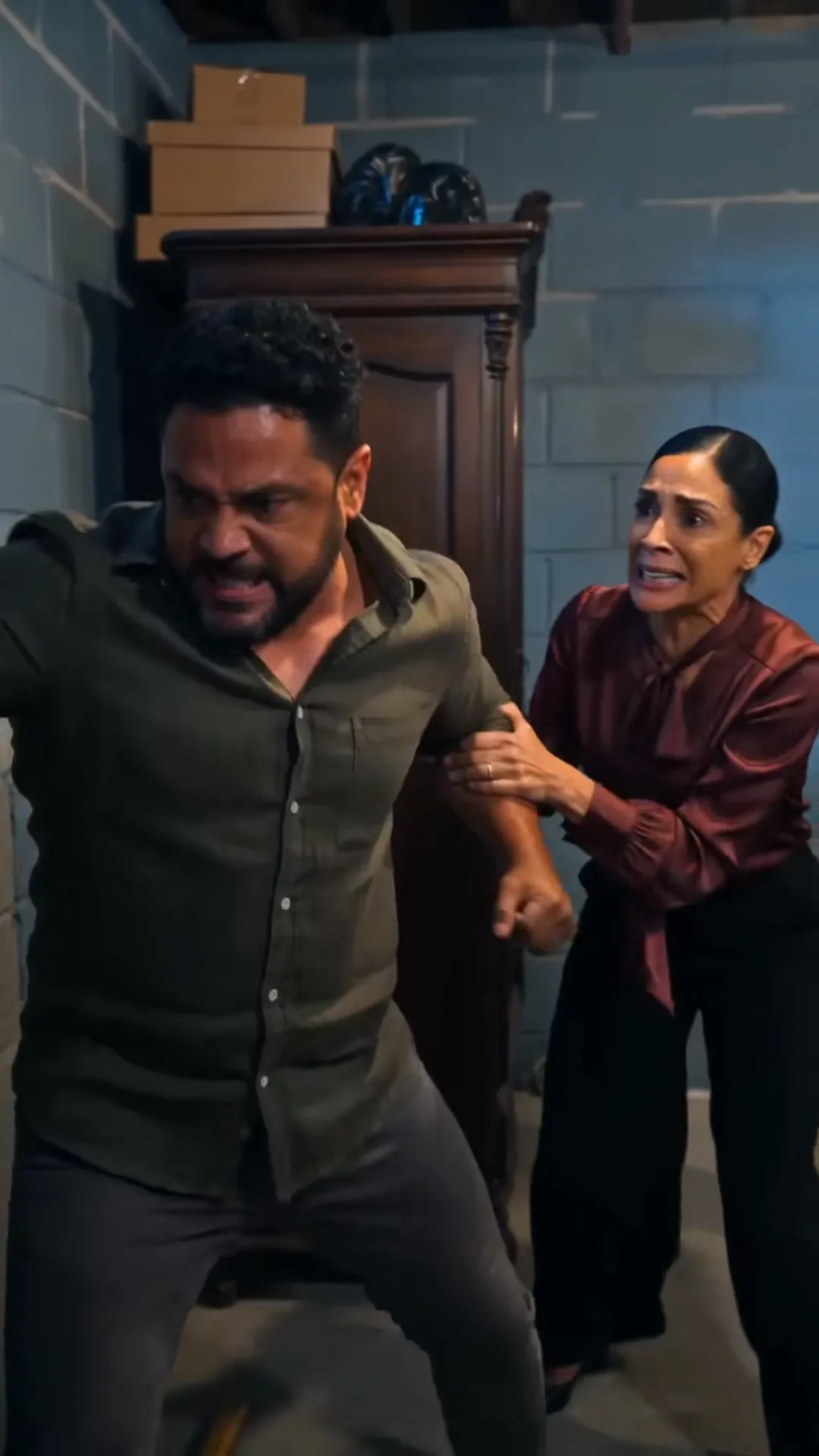
The full truth came out slowly, over the following weeks, in fragments delivered to caseworkers, to a court-appointed psychologist, to Marcus in late-night conversations neither of them wanted to have but both understood were unavoidable.
There had been complications at the birth, exactly as Claire first described — but not the kind she'd implied.
Wren had been born with a visible facial difference, a condition correctable with surgery, manageable, ordinary in the world of modern pediatric medicine — but Claire, raised by a mother who had drilled into her, across an entire childhood, a specific and poisonous shame about physical imperfection, had panicked in a way that had nothing to do with medicine and everything to do with an inheritance of fear passed down through generations of women taught to believe that anything visibly "wrong" needed to be hidden rather than healed.
In the raw, sleep-deprived days after the birth, alone, without support, without a partner yet — Marcus hadn't entered her life until two years later — Claire had made a choice she would spend the rest of her life failing to fully explain, even to herself.
She had told the hospital, and later everyone else, that only one twin had survived.
She had brought Wren home in secret, hidden in the earliest months behind the excuse of a difficult, reclusive postpartum period, and by the time the surgical correction that would have made Wren's face unremarkable to any stranger on the street had become financially and logistically possible, Claire had already built, brick by brick, lie by lie, an entire architecture of secrecy too elaborate to imagine dismantling.
Every year that passed made the truth harder to tell.
That was the confession Claire kept returning to, in every conversation, every session, every late-night reckoning — not a single moment of cruelty, but seven years of accumulated cowardice, each day's silence justified by the unbearable weight of all the days of silence that had come before it.
"I convinced myself I was protecting her," Claire told the psychologist, her voice hollow with an exhaustion that had nothing to do with sleep. "From judgment. From the same shame I grew up with. But somewhere in there, I stopped protecting her from the world and started just — protecting myself. From having to explain what I'd done."
The surgical correction, performed finally in a hospital that had no idea Wren had existed in any official capacity for seven years, was simple, quick, and entirely successful.
Wren's face, healed, looked exactly like her sister's.
The case would take months to resolve — questions of custody, of Claire's culpability, of what kind of ongoing care and supervision a child raised in seven years of isolation would need to eventually, someday, live an ordinary life.
But some things resolved faster than the legal system ever could.
May you like



Within the first month, the two girls had already invented a private language of knocks and taps, learned inside a wall neither of them would ever have to live behind again, now repurposed into something almost like a game — one knock for are you awake, two for come find me, three, always three, for I'm glad you're here.
---







