Chapter 9 - What Adrian Learned About Looking
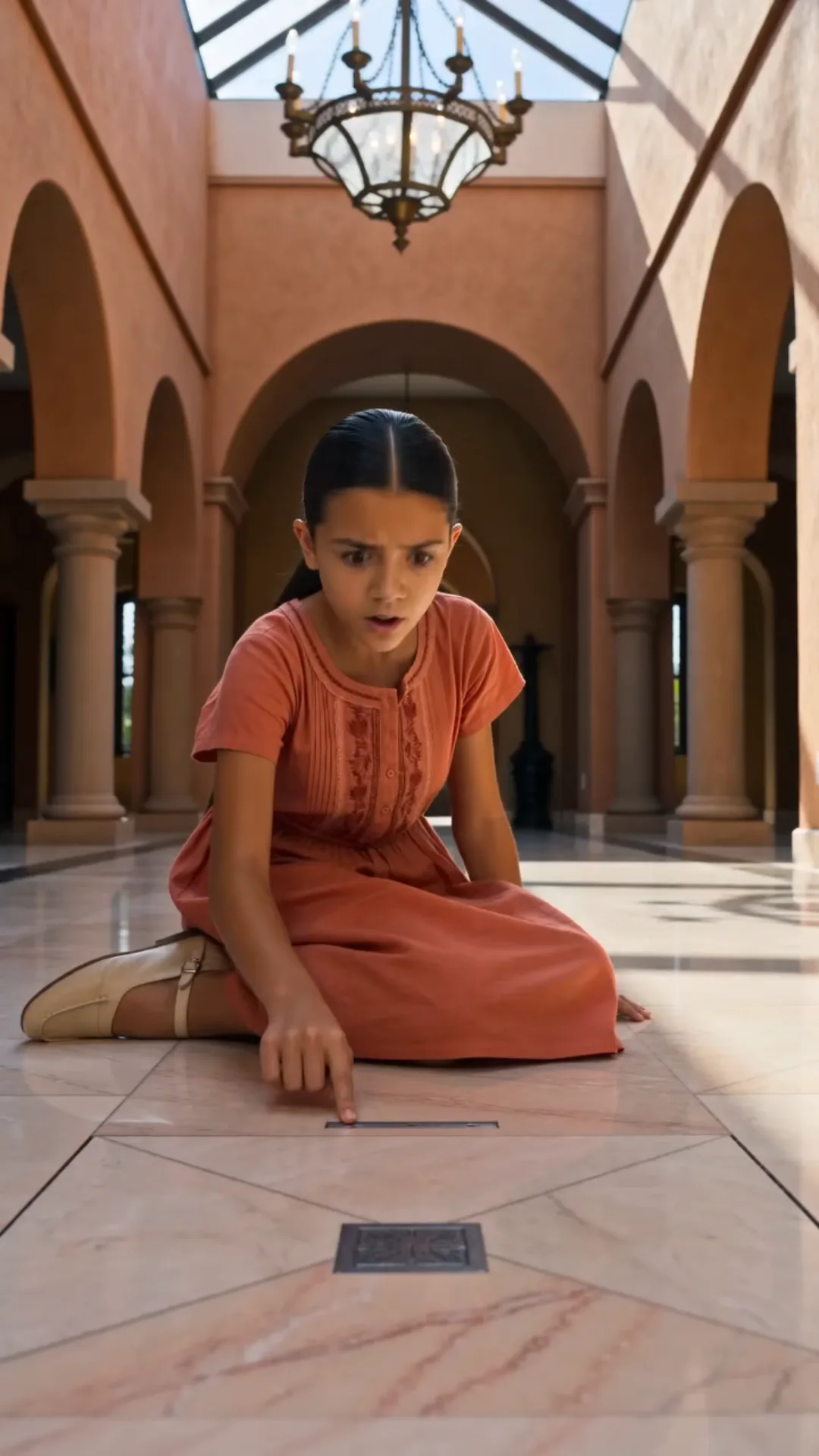
The trial took the better part of a year, and Adrian attended every session, sitting beside Elena in a courtroom gallery that filled, week after week, with reporters and strangers and the specific, uncomfortable public fascination that attaches itself to stories about wealth and hidden cruelty.
Margaret Voss never expressed remorse for what she'd done to Elena.
She expressed, throughout the trial, a kind of bewildered indignation that anyone would fail to understand her reasoning — that thirty-one years of loyal service should have earned her, in her own accounting of the matter, the benefit of the doubt rather than a life sentence.
"I preserved this family," she told the court in her final statement, her voice as calm and unhurried as it had been on the day of her arrest. "I preserved the house Vivienne Hale trusted me to protect. I do not expect gratitude. I only wish the record to reflect that everything I did, I did out of love."
The judge's response, delivered with the flat precision of someone who had heard every possible justification a human being could construct for cruelty, was simple.
"Love," the judge said, "does not build a prison beneath a child's playroom."
Adrian thought about that sentence often in the months that followed — not because it resolved anything, but because it captured, more precisely than anything he'd managed to articulate himself, the exact nature of what had happened in his own house for three years while he built a life on top of a lie he never once thought to question.
He had trusted Margaret's competence so completely that he had stopped, somewhere over the years, actually looking at what that competence concealed.
He had accepted a forged note in his wife's handwriting without ever once comparing it carefully to her actual signature, because the story it told was simpler and less painful than the alternative of asking harder questions.
He had, in his own quieter way, been complicit in exactly the same failure that had let Margaret's crime continue undetected for three years — the specific, dangerous comfort of choosing not to look too closely at the things closest to you.
"I'm going to look harder from now on," he told Elena one evening, months after the trial concluded, watching Sophie do her homework at the new wooden table in a kitchen that finally, after everything, felt entirely like their own again. "At everything. I don't ever want to walk across another floor in this house without knowing exactly what's underneath it."
Elena took his hand.
May you like



"That's not paranoia," she said. "That's just what happens after you learn a house can lie to you. You stop trusting the surface of things. It's not a bad way to live, actually. It just takes some getting used to."
---







