Chapter 4 - The Vanishing of Raymond Vance
The night Raymond Vance disappeared was the night the river froze over.
It happened three days after the storm. The police in Blackwood Bay didn't put much effort into searching for him. Raymond was a known brawler, a heavy drinker, and a man who owed money to loan sharks from the docks down to the rail yards. When his rusted pickup truck was found abandoned near the iron bridge, the consensus among the local detectives was simple: Raymond had skipped town to avoid his debts, or he had fallen into the Blackwood River while blind drunk.
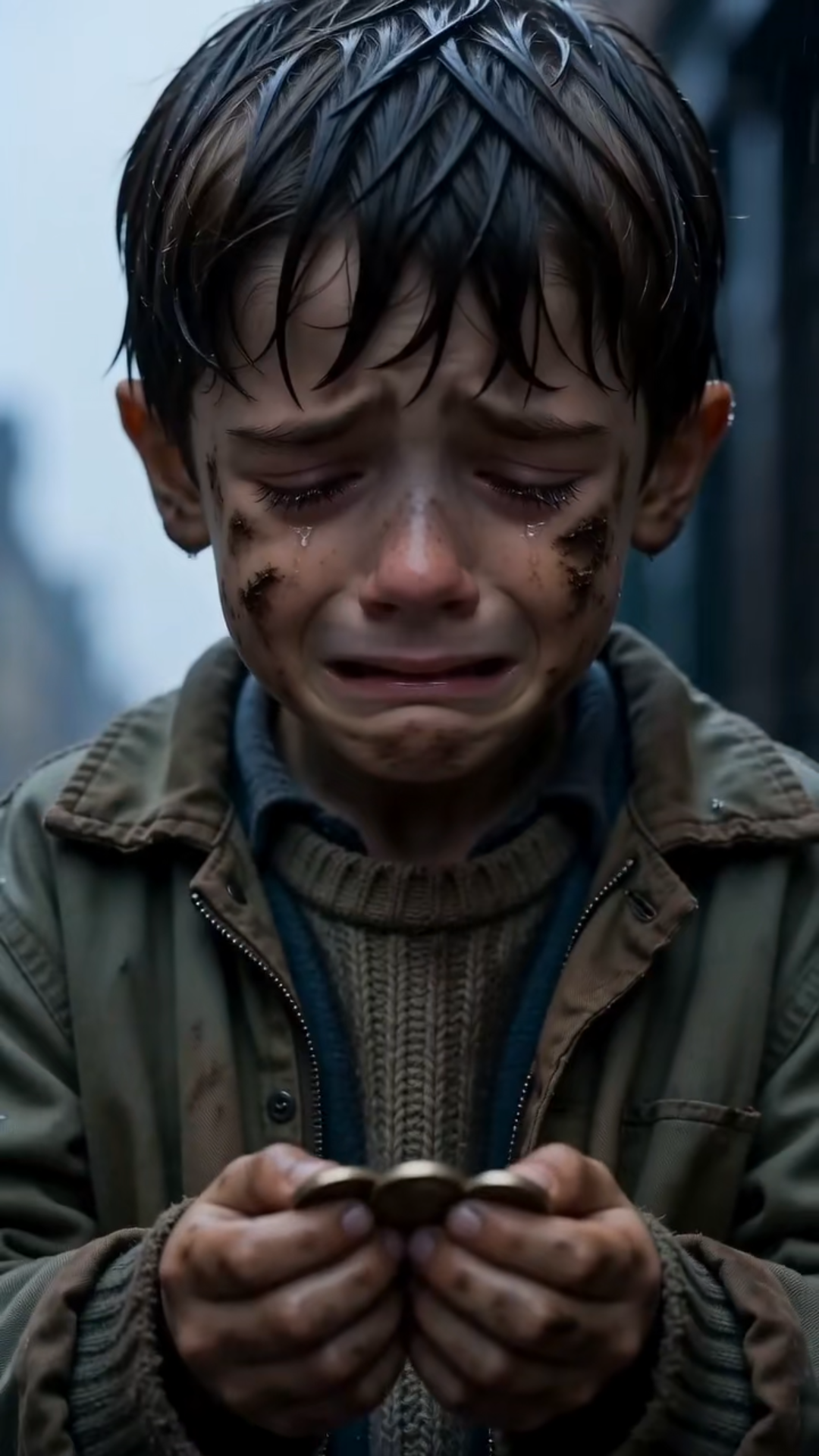
Nobody asked ten-year-old Julian any questions.
Two weeks after his uncle vanished, social services arrived at the dilapidated shack on the ridge. They packed Julian’s few belongings into a black garbage bag and placed him in a foster home two counties away, in the city of Boston.
Julian never returned to Blackwood Bay.
TWENTY-FIVE YEARS LATER.
The sleek, midnight-black Bentley Mulsanne purred down 4th Avenue, its tires humming softly against the wet pavement.
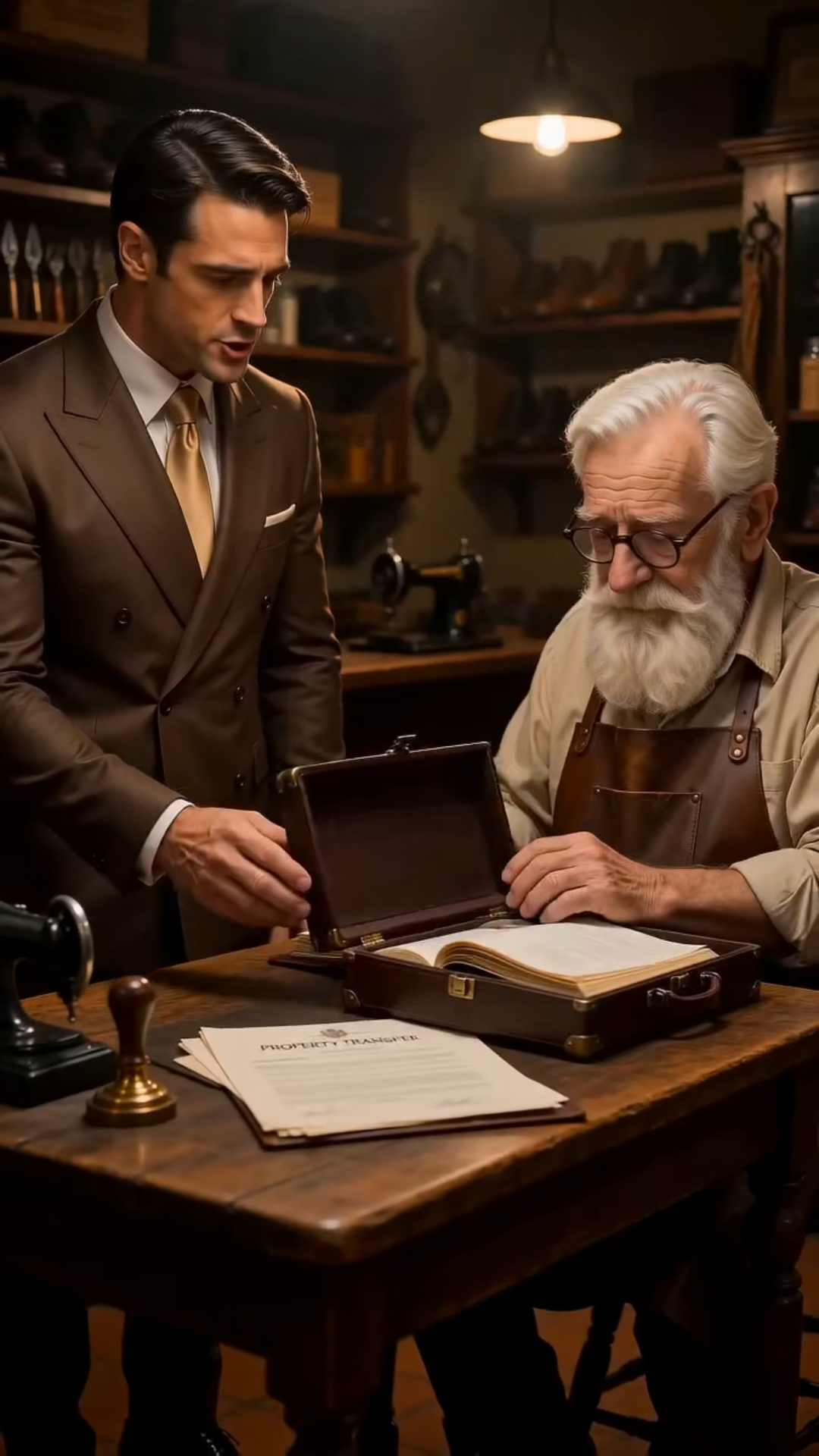
Inside the insulated, leather-scented cabin, Julian Vance adjusted the silver cufflink on his navy blue suit jacket. At thirty-five, Julian bore no physical resemblance to the ragged, bruised child who had fled this town a quarter-century ago. He was lean, striking, with sharp, aristocratic features and dark hair swept neatly back from his forehead. He was the founder and principal owner of Vance Infrastructure—a multi-billion-dollar urban development firm that bought dying cities and rebuilt them from the ground up.
Beside him on the leather seat lay a slim, silver briefcase.
Julian turned his head, looking out the tinted window. Blackwood Bay had not aged well. The textile mills were abandoned hulls, their windows smashed; the iron foundries were rust-colored ruins against the gray Atlantic sky. The poverty here was systemic, chronic, and brutal.
"We're entering the Old Quarter, Mr. Vance," the driver said quietly through the intercom. "The address you gave... it's in a heavy tax-foreclosure zone. The city intends to demolish the entire block next month to make way for the new shipping container terminal."
Julian’s jaw tightened. "Pull over near Miller’s Alley."
The Bentley glided to a smooth halt beside the curb. Rain—the same cold, relentless rain of his childhood—was beginning to fall, speckling the dark glass of the windshield.
Julian opened the door and stepped out. He carried an umbrella, but he didn't open it immediately. He stood on the wet cobblestones, his polished, custom-made black calfskin oxfords stepping cleanly over the dark puddles. He looked down at his feet, remembering the squelch of canvas, the smell of wet mold, and the ice that had threatened to claim his limbs twenty-five years ago.
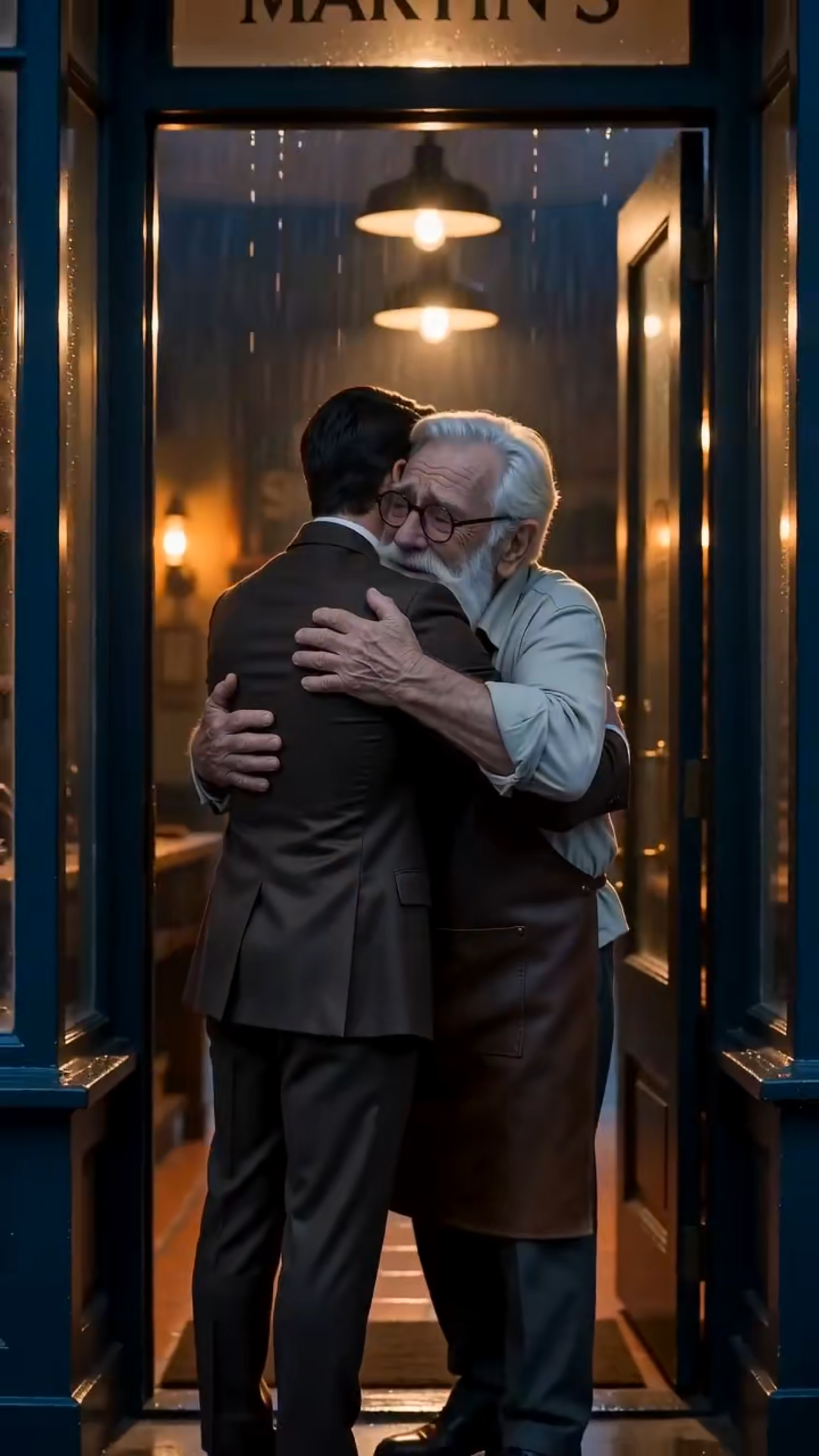
He walked down the narrow alleyway. The rusted sign still hung from the timber-framed building, though it was now lopsided and covered in green moss: MARTIN'S SHOE REPAIR.
May you like



The soft, amber light inside was gone. The glass window was thick with decades of grime and dust.
Julian approached the heavy oak door. He didn't knock. He turned the polished brass handle—which was miraculously clean, kept free of rust—and stepped inside.