Chapter 8 - Grandmother's Pearls
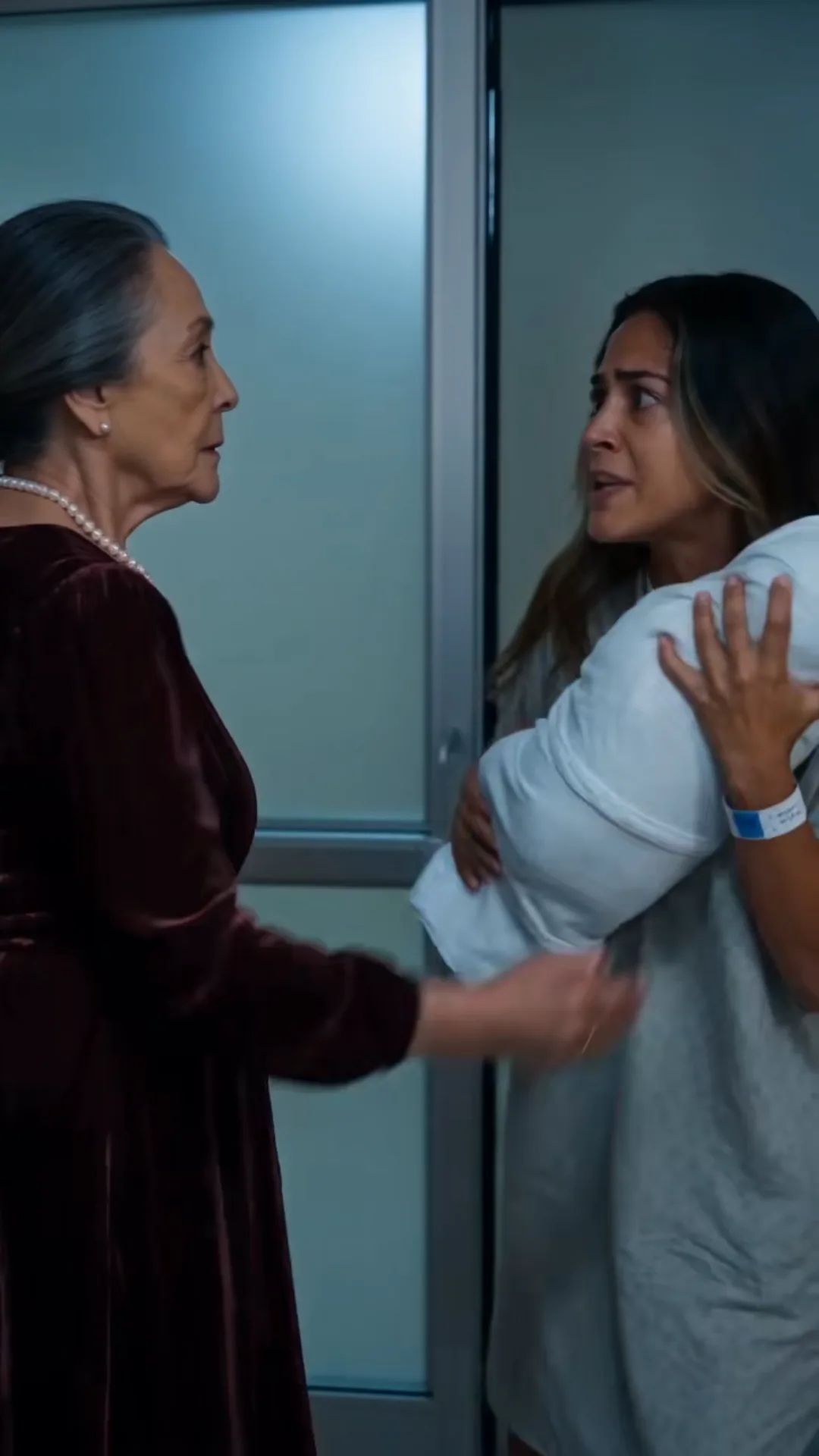
The kite afternoon becomes, in the months that follow, an inflection point nobody quite names out loud.
Eleanor asks — actually asks, a genuine question instead of an assumption — what Noah is interested in these days.
"Dinosaurs," Sarah tells her, cautiously, the way you'd hand someone a glass object you're not sure they'll handle carefully. "Specifically ones that could swim. He has strong opinions about the plesiosaur."
The next supervised visit, Eleanor brings a book about marine reptiles of the Mesozoic era, correctly leveled for a six-year-old reading ability, and Sarah has to sit on the park bench and remind herself that small evidence of change is not the same thing as proof of change, no matter how badly some quiet, tired part of her wants it to be.
Noah, for his part, accepts the book with the same careful, assessing politeness he brings to everything involving his grandmother — pleased, but not fooled. Warmed, but not disarmed.
"She's trying," he tells Sarah afterward, in the car, staring out the window at passing storefronts. "But trying and being are different things. Miss Renata said that once. About the case."
"You heard that?"
"I hear a lot of things," Noah says, unbothered, and goes back to looking out the window.
---
Winter brings a different kind of visit.
Eleanor calls — actually calls, voice on the phone instead of a lawyer's letterhead — and asks if she can see Noah outside the scheduled window.
"Michael's father is in the hospital," she says, and for the first time in six years, her composure has a genuine crack running through it, not performed, not calculated. "It's his heart. I don't — I don't know how much time we have. I'd like Noah to see him. If that's something you'd allow."
Sarah goes still, phone pressed to her ear, weighing six years of careful vigilance against the plain, uncomplicated fact of a dying man who has, whatever his failures, never once tried to take her son from a hospital room.
"I'll bring him myself," Sarah says. "Not you. Me."
"That's fine," Eleanor says, and something in her voice — relief, maybe, or simply exhaustion — suggests she expected far worse.
---
The hospital is different from the one Noah was born in, but hospitals, Sarah has learned, all carry the same particular hum underneath them — machines, quiet urgency, a specific fluorescent light that makes everyone look slightly more fragile than they are.
Noah holds Sarah's hand tightly walking down the corridor, six years old and unusually quiet.
"Are you scared?" Sarah asks.
"A little," he admits. "Grandpa's going to look different. Sick people look different. I saw it on a TV show."
"He might," Sarah agrees. "But he'll still be glad to see you."
Eleanor is already in the room when they arrive — no pearls today, hair slightly less immaculate than Sarah has ever seen it, sitting close to the hospital bed with one hand wrapped around her husband's.
She looks up when they enter, and for one unguarded second, before the composure reasserts itself, Sarah sees a woman who is, simply, terrified.
"Noah," Eleanor says softly. "Thank you for coming."
Noah approaches the bed carefully, studying his grandfather's face — pale, tired, tubes and wires that clearly unsettle him — with the same grave attention he brings to everything.
"Hi, Grandpa," he says.
"Hey, kiddo," Grandpa Hale manages, voice thin but warm. "You got tall."
"I'm the second tallest in my class," Noah reports. "Only Marcus is taller and that's not fair because he's seven."
A weak laugh. "That's the way of it. There's always a Marcus."
Noah climbs, with permission, carefully onto the edge of the bed, mindful of wires the way only a child coached beforehand can be. He sits there a moment, quiet, watching his grandfather breathe.
Then he says something that makes the whole room go still.
"Grandma," Noah says, not looking away from his grandfather's face, "you should hold his hand like that all the time. Not just now that he's sick. He probably likes it even on the regular days."
Eleanor's breath catches audibly.
"I—" she starts, and stops.
"That's the thing about doors," Noah continues, conversational, six-year-old logic marching forward with no awareness of the devastation it's causing. "You don't wait till the house is on fire to unlock them. You just leave them open. Then nobody has to break anything to get in."
Sarah, standing by the door, feels her own throat close up.
Eleanor stares at her grandson — this small person she once tried to take from a hospital room by force of paperwork and deception, who has spent his entire life quietly cataloguing every door she's ever kept locked — and something in her face simply collapses, all at once, six years of careful architecture giving way in a single sentence from a six-year-old who has never once been told the whole story and somehow understood it anyway.
"You're right," Eleanor says, very quietly, to her husband, to her grandson, possibly to no one at all. "I should have. All along."
May you like



She lifts her husband's hand and holds it the way Noah described. Simply. Without waiting for a fire.
---







