Chapter 10 - Safe Hands
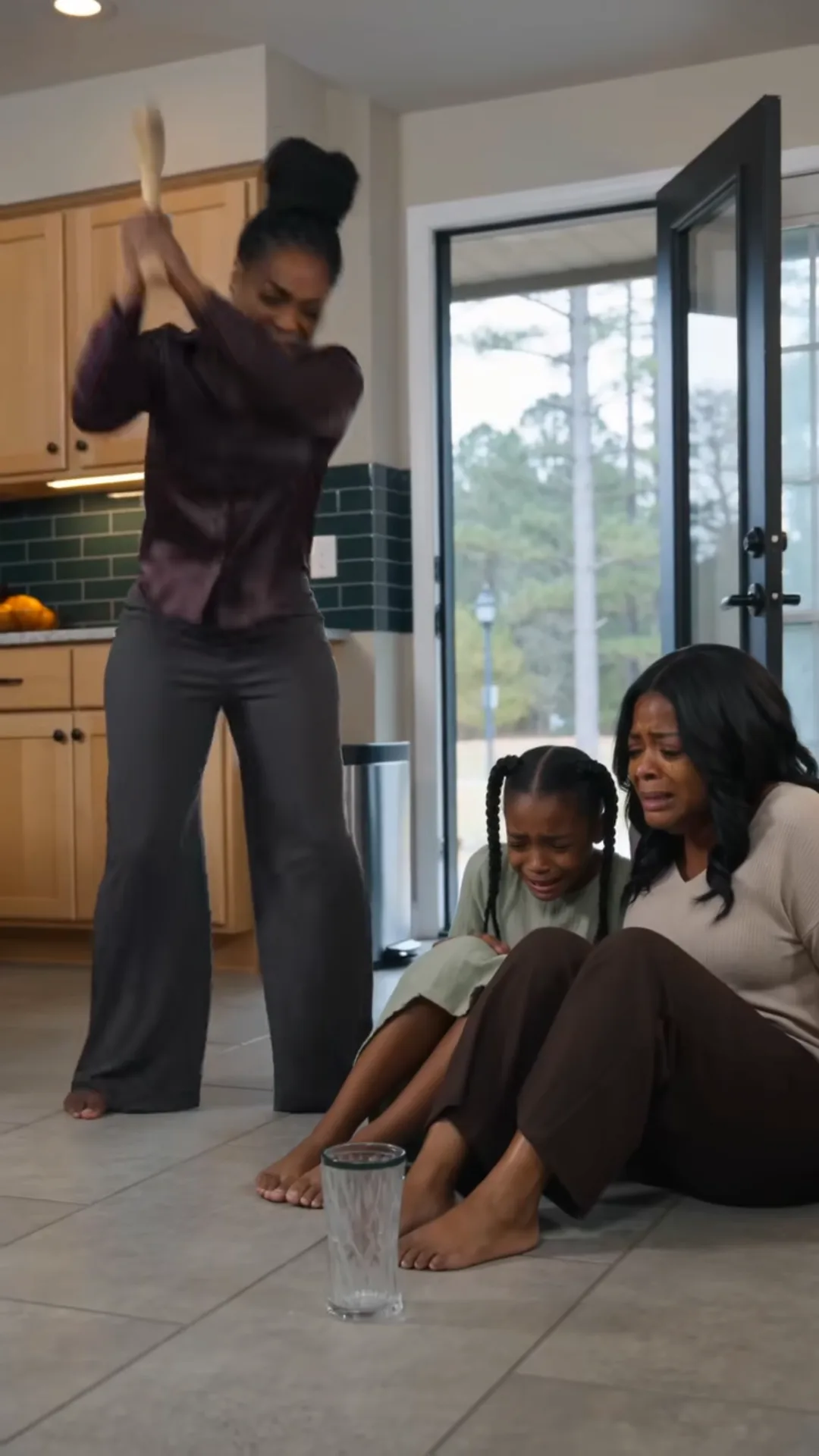
A year passes the way years do — slower in the living of it, faster in the looking back.
Ruby turns seven in a backyard that has, by now, fully stopped feeling borrowed, decorated with balloons Diane helped hang and a cake Emma made herself, badly, with lopsided frosting that Ruby declares "perfect, because perfect cakes are boring."
Jack is there for an hour, supervised, at the custody evaluator's ongoing recommendation — sitting slightly apart at a picnic table, present but not fully inside the celebration, exactly the spot his daughter drew for him months earlier and, it turns out, correctly predicted he'd still occupy.
He has been in therapy for eight months now. Court-mandated at first, something he continued past the requirement, a detail Renee flagged to Emma as worth noting, worth watching, worth cautiously, unsentimentally filing as data.
"How do you feel about him being here?" Renee had asked, before the party, during one of their now-monthly check-ins.
"Neutral," Emma had said, and meant it. "Not warm. Not afraid, either, not anymore, not with the order in place and Diane watching too. Just — neutral. Like weather I've learned to read accurately instead of hoping it'll be different than it is."
---
At the party, Ruby runs the length of the yard with three friends from her new school, Bun-Bun retired now to a shelf in her room, promoted from constant companion to honored veteran, his single remaining ear a permanent, quiet monument to a year that changed everything.
Diane sits beside Emma on the porch steps, watching the children, a glass of lemonade sweating in her hand.
"I never thought I'd be the grandmother sitting on someone else's porch steps," Diane says, "grateful just to be allowed to watch."
"You earned watching," Emma says. "That's not nothing."
"Ruby taught me that," Diane says. "The whole late library book thing. I think about it more than I think about almost anything else these days. How you're allowed to bring things back even after they're overdue. How the bringing-back still counts, even if it doesn't erase how late it was."
Emma watches Ruby laugh at something one of her friends says, head thrown back, utterly unguarded, a version of unguarded that took months of careful, deliberate safety to rebuild.
"She's better at explaining forgiveness than either of us," Emma says. "Better at explaining almost everything, honestly."
"She always was," Diane says. "We were just too busy breaking things to notice."
---
Later, as the party winds down, Jack approaches Emma near the gate — his supervised hour almost finished, the evaluator's assistant waiting a polite distance away.
"Thank you for letting me come," he says. "I know you didn't have to."
"I didn't do it for you," Emma says, not unkindly, simply accurate. "I did it because Ruby wanted you here, and because the evaluator says consistency matters for her, and because none of that requires me to feel anything in particular about you to still be true."
He nods, absorbing this the way he's slowly learned to absorb things over the last year — without immediate defense, without the old reflex to argue his way back into more forgiveness than he's earned.
"I'm still trying," he says.
"I know," Emma says. "Ruby draws you that way. Off to the side. Trying. Not close yet. Not gone either."
Something in his face flinches at the accuracy of it, delivered secondhand through his own daughter's careful, unsentimental artwork.
"Do you think that ever changes?" he asks. "The 'off to the side' part?"
Emma considers this honestly, the way she's learned to consider most things now — without cruelty, without false hope, simply with the plain arithmetic Ruby taught an entire family to use.
"I think that's between you and the trying," she says. "Not between you and me. I stopped being the one keeping score a while ago. Now it's just you, and time, and whether the sorry ever comes with a plan attached."
She doesn't wait for his answer. She turns back toward the yard, toward her daughter running barefoot through the grass, laughing, safe, drawing the shape of her own family with a clarity no adult in her life managed until she taught them how.
---
That night, tucking Ruby into bed, Emma smooths the blanket the way she has every night for a year, checking the lock on the window out of habit that has softened, lately, from necessity into simple ritual.
"Good birthday?" she asks.
"Best one," Ruby says, already half asleep, Bun-Bun's retired shelf visible in the dim light across the room. "Mommy?"
"Yeah, baby?"
"Your hands are safe hands," Ruby says, eyes already closing. "I checked today. All day. You picked me up, you cut the cake, you hugged Grandma, you waved at Daddy. Every single thing your hands did today was a safe thing. That's a whole year of checking, and they always are."
Emma sits very still on the edge of the bed, throat too tight to answer right away.
"I'm glad," she finally manages, echoing, without meaning to, the exact quiet honesty her daughter taught her to recognize months ago. Two words. No extra ones needed around them.
Ruby, already drifting into sleep, smiles faintly at the sound of it.
"That's how I know it's true," she murmurs. "Just the two words. Nothing extra needed."
May you like



Outside the window, the yard sits quiet under a rising moon — safe, ordinary, entirely theirs — and Emma stays a while longer in the doorway, watching her daughter sleep, thinking about library books brought back late, about hands that do only one honest job at a time, about a year that started with shattering glass and somehow, one plain and devastating truth at a time, built itself into something that finally, fully, deserves to be called home.
THE END







