Chapter 8 - The House with Someone Else's Furniture
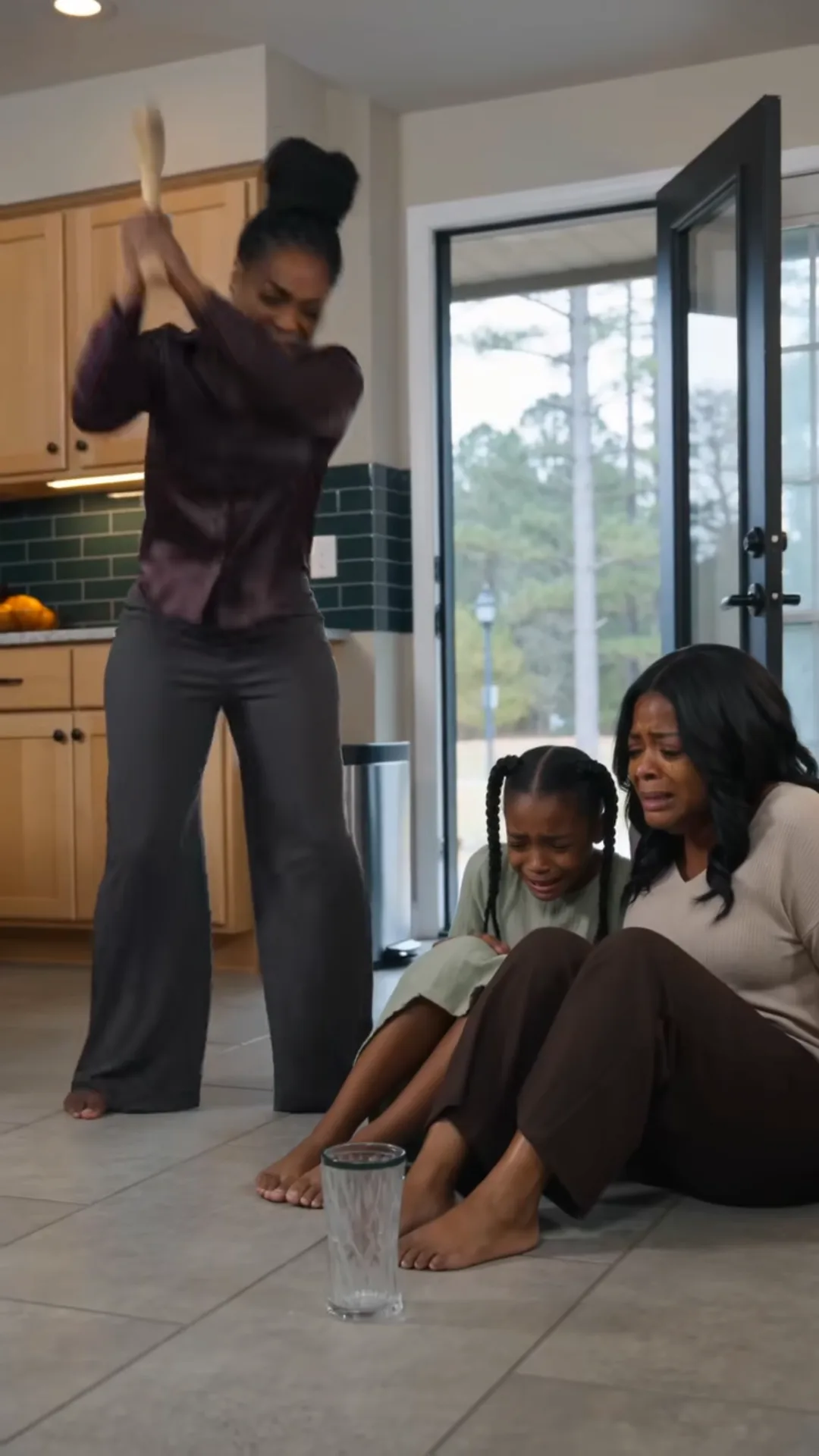
The house is smaller than the one they left, and everything in it belongs to someone else — Diane's sister's taste in curtains, an unfamiliar smell in the closets, a kitchen with a different rhythm to its cabinets that Emma's hands haven't learned yet.
Ruby claims the smaller of the two bedrooms without being asked, arranges Bun-Bun on the pillow with careful precision, and declares, on the first night, that the room is "good enough to start with," a phrase that will become, over the following weeks, something close to a family motto.
Emma sleeps badly for the first several nights — waking at small sounds, checking locks twice, the particular hypervigilance of a body that has finally been allowed to feel the danger it spent two years suppressing.
The domestic violence hotline gives her a name — a local advocate named Renee — who meets with her twice that first week, walking her through the protective order paperwork, the timeline for filing, the language for describing things Emma has spent two years describing to herself in softer words.
"You don't have to have all the language figured out today," Renee tells her. "The paperwork just needs the truth. You already know the truth. You've known it longer than you've been willing to say it out loud."
---
Diane visits on the fourth day, uninvited but not unwelcome, carrying groceries she clearly researched — Ruby's favorite cereal, a brand of apple juice Emma didn't remember mentioning but must have, at some point, in some conversation Diane actually listened to.
"I'm not trying to replace anything," Diane says, setting the bags on the unfamiliar counter. "I know I don't get points for groceries after what I did in that kitchen. I just wanted to bring something useful instead of nothing at all."
"Thank you," Emma says, and means it, though the gratitude still sits strangely alongside the memory of a bat coming down toward her daughter's head.
"I've started seeing someone," Diane says, quieter now, admitting it like it costs her something. "A therapist. About his father. About what I let Jack grow up watching, and what I apparently taught him, without ever once meaning to, about what love is allowed to look like when someone's angry."
Emma considers this. "That's good," she says finally. "That's a genuinely good thing to do. It doesn't undo Tuesday. But it's good."
"I know it doesn't undo Tuesday," Diane says. "I'm not asking it to. I'm just trying to bring the book back late instead of not at all."
From the next room, Ruby's voice calls out, half amused, half proud of her own metaphor traveling this far into actual adult conversation. "That's MY library thing! You're using MY library thing!"
"It's a good thing," Diane calls back. "I'm allowed to borrow it."
"You have to return it on time, though," Ruby says, appearing in the doorway with the specific triumphant logic of a six-year-old catching adults using her own wisdom against themselves. "That's the rule. You can't borrow the borrowing rule and then be late with it too."
Diane actually laughs at that — a real laugh, surprised out of her, the first one Emma has heard from this woman in three years of marriage into her family.
"Fair," Diane says. "Noted. I'll return it on time."
---
Jack calls twice that week. Emma doesn't answer either time, but she listens to the voicemails later, alone, once Ruby is asleep — not out of hope, exactly, more out of the same clinical need to gather evidence that has carried her through the last several days.
The first voicemail is apologetic, careful, the words of a man reading from some internal script about accountability he's clearly practiced.
The second, four days later, has a different edge to it — tired, slightly sharper, the word overreacting surfacing once, briefly, before he seems to catch himself and soften again.
Emma saves both. Not to torture herself with them. To remember, on the days the guilt creeps back in and asks whether she's being too harsh, exactly which version of him is real and which version only shows up when the first one stops working.
"I think," she tells Renee at their next meeting, "the second voicemail is the true one. The first one is just what he says when the true one isn't getting results."
Renee nods slowly. "That's a very common pattern," she says. "You're not wrong to notice it. A lot of people take years longer than you have to see that difference clearly."
May you like



"I had help," Emma says. "A very short, very direct kind of help."
---







