Chapter 1 - The Door That Was Still Open
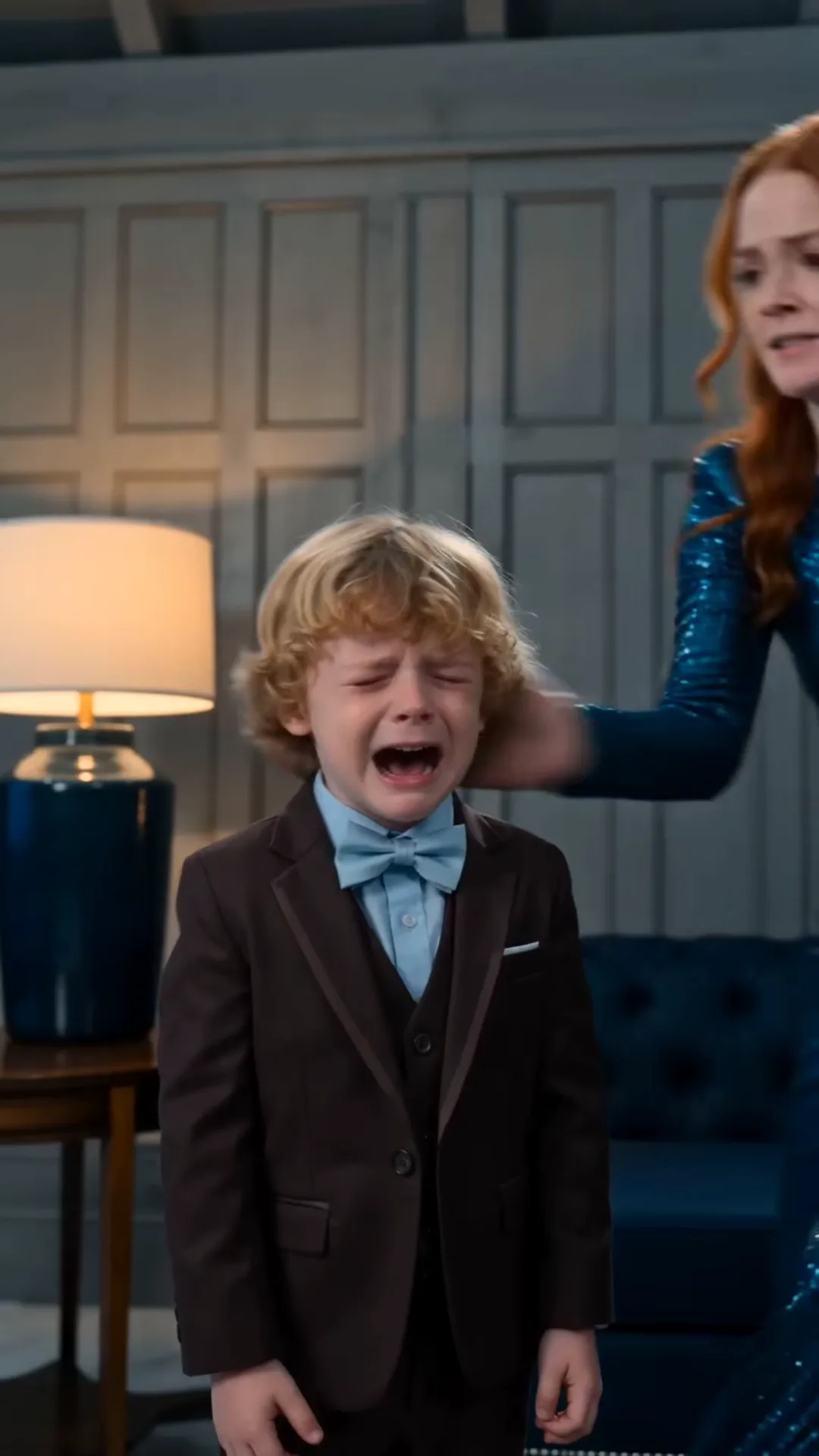
The tuxedo was too small at the wrists.
Noah kept pulling the sleeves down anyway.
He was seven. He had learned that some rooms only listened to boys in tuxedos.
This was one of those rooms.
The foyer ceiling went up and up, gold trim catching the gray light from outside, and Noah's shoes made no sound on the marble because his mother — no, not his mother, never call her that, Grandma said never call her that — had told him to walk on the balls of his feet.
Rich boys don't stomp, she'd said.
Elina wasn't his mother.
He knew the difference the way he knew the difference between real thunder and the sound the pipes made at night. One was far away and one was close enough to hurt.
Right now Elina was close.
"Where is it," she said. Not a question. Her voice didn't go up at the end of questions anymore, it just went flat, like a door closing softly instead of slamming, which was somehow worse.
"I don't know," Noah said.
He did know.
It was folded into the lining of his backpack, behind the fabric where the stitching had come loose, in the exact place his real mother used to hide chocolate before she died, back when hiding things meant surprises and not survival.
"Noah."
His name in her mouth sounded like a hinge that needed oil.
The front doors were open. They were always propped open in the mornings for the gardeners, and outside the sky was the color of a bruise that hadn't finished happening yet — not purple, not yet, just gray with something underneath it.
Noah looked at the open doors the way people look at exits.
Elina's hand came up.
He didn't see it coming because he'd already turned his face toward the light outside, toward the smell of wet hedges, toward anything that wasn't this room —
and then his cheek was on fire and his knees were on marble and the backpack slid off his shoulder and hit the floor with a sound like a small drum, and inside it, he knew, the folded paper had shifted an inch closer to the seam.
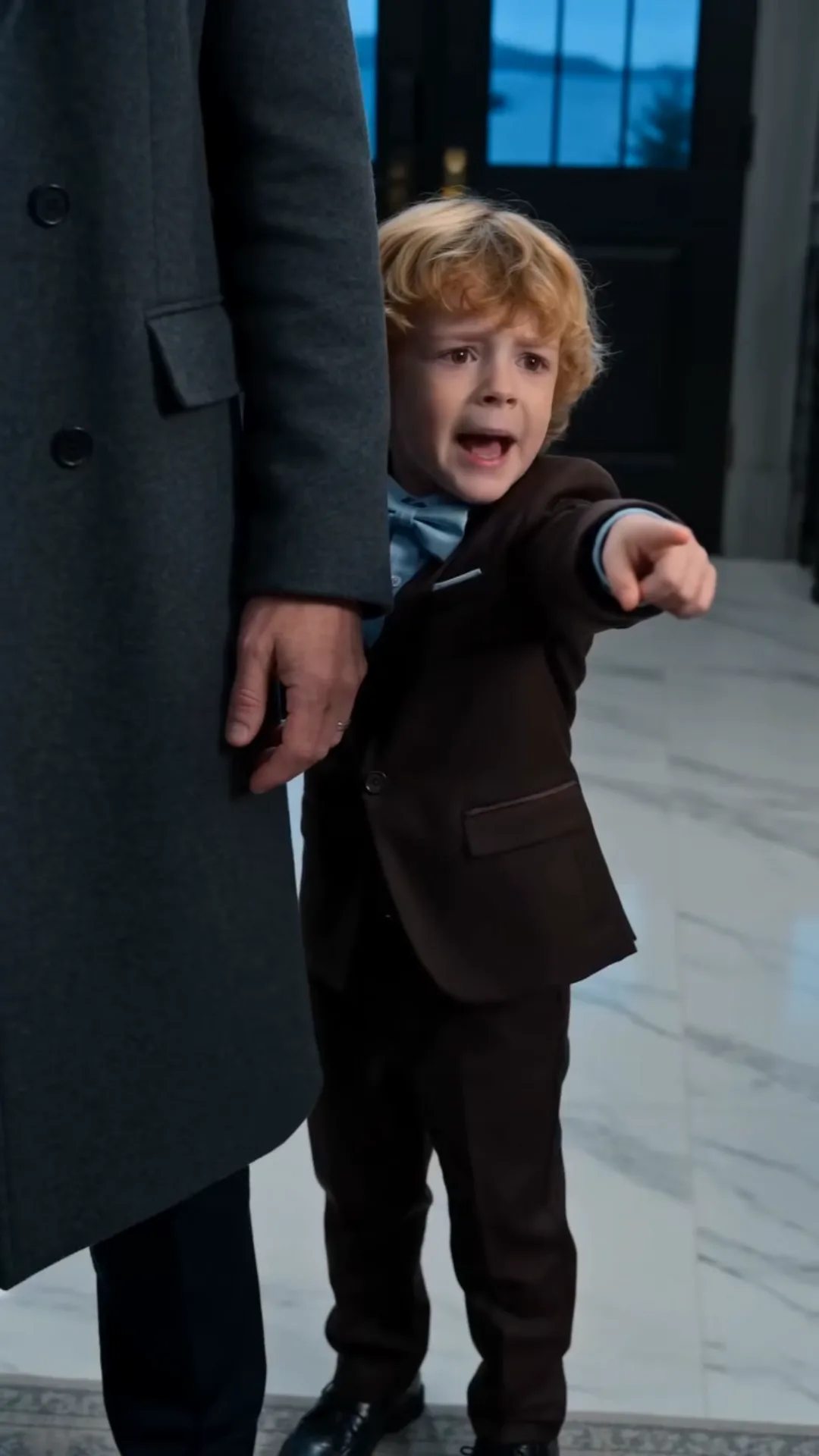
"DADDY!"
He didn't call for her.
He never called for her.
His hand found his own cheek, small fingers spread wide like they were trying to hold his face together, and through the water in his eyes the open doorway went white, then gray, then filled — completely filled — with a shape.
Boots first. Then the coat. Then the face Noah had spent his whole life learning to read like weather.
Right now the weather was a storm arriving twelve seconds too late.
"ELINA."
One word. It didn't need volume. It had weight instead, the kind that changes the pressure in a room, the kind that makes glass want to hum.
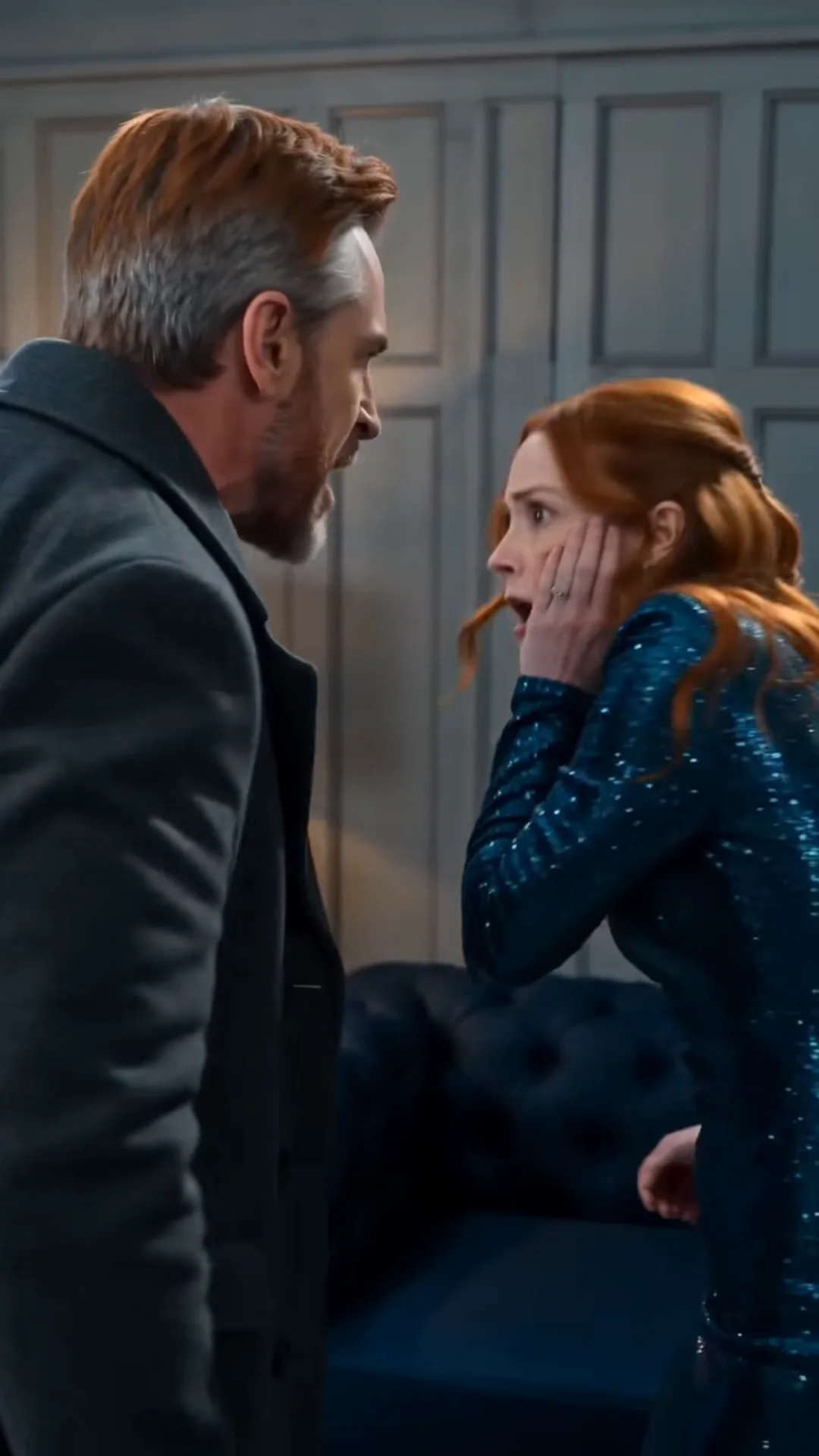
She turned — too slow, always too slow when it counted, fast enough when it didn't — and there wasn't even fear on her face yet, just irritation, like he'd walked in on something private instead of something criminal.
"Marcus, it's not what—"
He crossed the foyer in four steps. Noah counted them without meaning to. One. Two. Three. Four.
His father's hand closed around her wrist, not gently, and he turned her the way you'd turn a page you were angry at, and then his palm found her cheek the way hers had found his son's, except the sound was different — louder, harder, final — and she went backward into the umbrella stand and down onto one knee.
Silence found the room and sat in it.
Noah was still on the floor. His cheek still burned. But he watched his father instead of touching his own face, because his father's face was doing something Noah recognized from the inside of himself — that same held-breath, about-to-break stillness — except on a grown man it looked like a held gun instead of a held cry.
"Never," his father said. His voice had gone quiet now, which was worse than the shout. "Never touch my son."
Elina's hand was on her cheek. Her rings clicked against her own teeth.
She looked, for one second, like she might say something true.
Then she looked at Noah instead, and whatever was in her eyes closed like a fist.
Noah picked his backpack up off the floor.
He held it against his chest the way other kids held stuffed animals, not because there was anything soft inside it, but because there was something that mattered, and matter was the only kind of warmth this house had left to offer him.
Outside, past the still-open doors, it started, finally, to rain.
May you like



Nobody moved to close them.
---