Chapter 10 - The Blue Door, Reopened
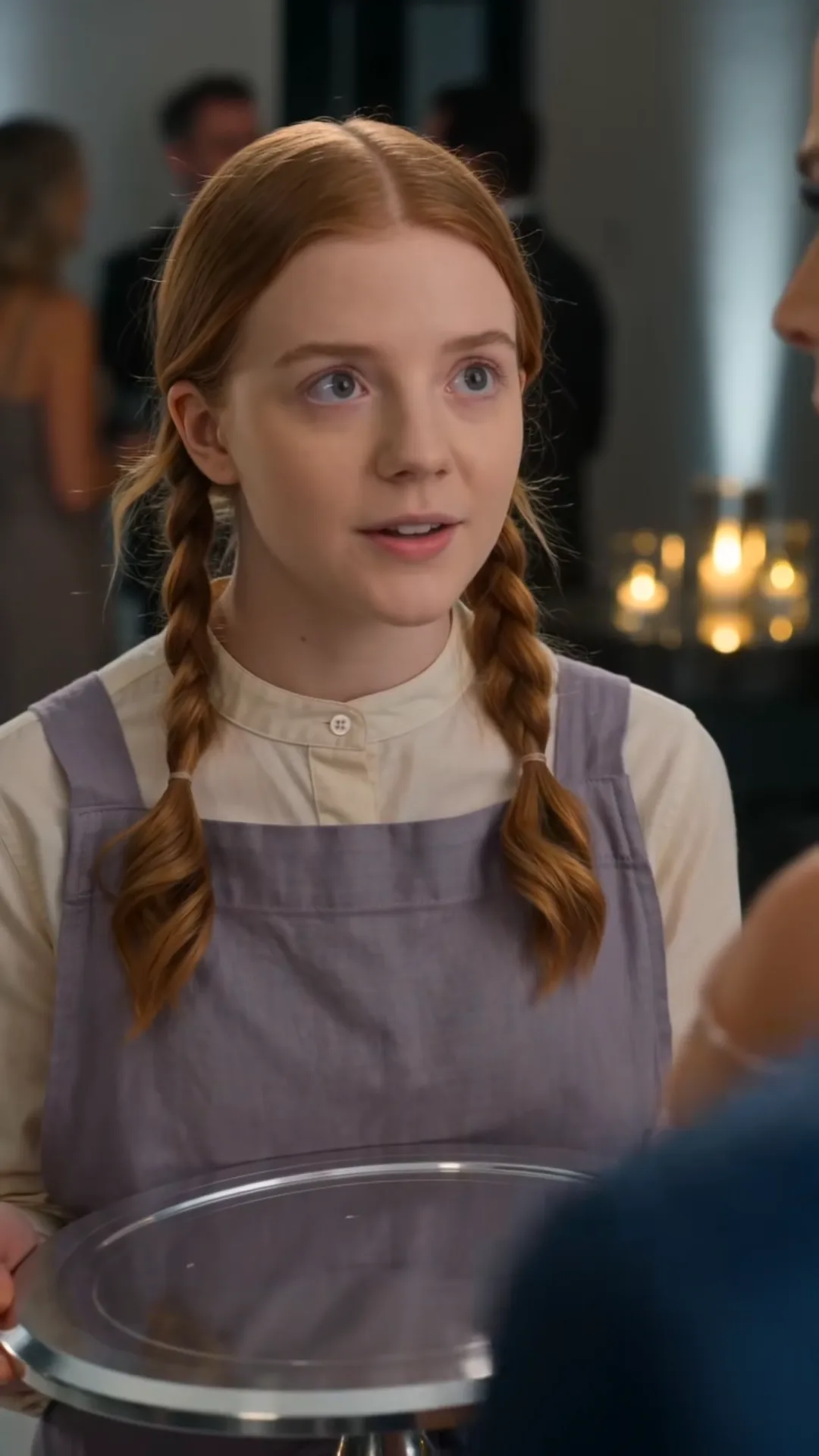
Six months later, the bell above the blue door on Fountain Street rang properly again.
Don Alvaro had fixed it himself, the week the deed was returned, insisting on doing it with his own hands even though his fingers weren't as steady as they used to be. He said it felt important — a small, deliberate act of reclaiming something that had briefly, terrifyingly, almost belonged to someone else.
Gisela ran both locations now — the original bakery, restored and thriving, and the newer space three streets over, which had become, thanks to Renzo's restaurant contracts and a steady stream of press coverage, the busier of the two. She'd hired two assistants. She'd started teaching a Saturday class for neighborhood kids who wanted to learn to bake, remembering, every time, the wooden crate she used to stand on to reach her own mother's counter.
She thought about that rainy Tuesday less often now, though never with regret. It had cost her a great deal — thirty sleepless nights, a building she'd loved, a version of quiet invisibility she would never fully get back. But it had also given her something she hadn't expected: proof, undeniable and hard-won, of exactly what she was capable of building when pushed to the edge of losing everything.
She had not spoken to Adrián since the wedding.
She had, however, received one letter from Isabela, three months after the reception — brief, formal, and unmistakably sincere, apologizing plainly for the eviction, without excuses, and enclosing a modest donation to the Saturday baking class, made anonymously through Renzo, though Gisela had recognized the handwriting immediately.
She had not responded.
Some bridges, she had decided, didn't need rebuilding to be considered closed with dignity on both sides. She wished Isabela well, privately, the way you wish well on someone you'll likely never speak to again but no longer wish harm upon.
On a bright Tuesday afternoon in early autumn — not raining this time, the sky an unbroken, ordinary blue — Gisela was behind the counter of the original bakery, showing one of her Saturday students how to fold egg whites without deflating them, when the bell above the door rang.
She looked up, expecting a regular customer.
Instead, she found a young couple — new to the neighborhood, judging by their tentative expressions — standing in the doorway, a small boy of about six tugging insistently at his mother's sleeve.
"Mamá, can we get the crooked one? The lady in the window said crooked ones taste the best."
Gisela smiled — a real smile, easy and unguarded, the kind she hadn't worn much in the months during the fight over the bakery.
"He's right," she told the mother. "The crooked ones are always the ones made with the most care. The bakers don't have time to make them pretty when they're focused on making them good."
She wrapped the crooked almond tart — there was always one, some habits never fully leaving a person — and handed it to the boy, who took it with the solemn seriousness only small children bring to important transactions.
The family left, the bell ringing brightly behind them, and Gisela stood for a moment in the golden afternoon light spilling through the bakery's front window, thinking about everything that single crooked tart recipe had set into motion, all those months ago.
A rainy night. A stranger who ate slowly, like he was trying to memorize a feeling before it disappeared. A ballroom she never should have walked into, an engagement she never should have complicated, a family that had tried, briefly and viciously, to erase her existence from the record of their carefully curated lives.
And here she was, in the same shop, with the same bell, having built something entirely new out of the wreckage — not through revenge, not really, though there had been a certain undeniable satisfaction in that folded deed tucked between layers of cardamom cake — but through the same stubborn, patient discipline her mother had taught her standing on a wooden crate, reaching for a counter that had once seemed impossibly far away.
She had never needed the mansion, the chandelier, the man in the emerald tuxedo, or the fortune that came with any of it.
She had only ever needed the blue door, and the bell that rang properly now, and the quiet, unglamorous certainty that good work, done honestly, eventually finds the room it deserves.
Don Alvaro appeared from the back kitchen, wiping flour from his hands, and glanced toward the window where the afternoon light was beginning to soften into the gold of early evening.
"You look happy," he observed.
"I am," Gisela said, and found, a little surprised, that it was entirely true.
"Good," Don Alvaro said. "You earned it. Every difficult, complicated, ridiculous piece of it."
Gisela laughed — a real laugh, unguarded, the kind that had been rare for a long stretch of her life and now, slowly, was becoming ordinary again.
She turned back to her Saturday student, a girl of about ten with flour already smeared across her cheek, and picked up the whisk again.
"Now," she said. "Let's try that fold one more time. Gently. You want to keep the air inside — that's what makes it rise."
May you like



Outside, the bell above the blue door rang again, and again, steady and bright, all afternoon, calling in every ordinary person who simply wanted something good to eat — no chandeliers required, no fortunes at stake, just butter and sugar and the quiet, hard-won proof of a woman who had refused, against every expectation stacked against her, to be small enough to step on twice.
THE END







