Chapter 6 - The Knock at the Blue Door
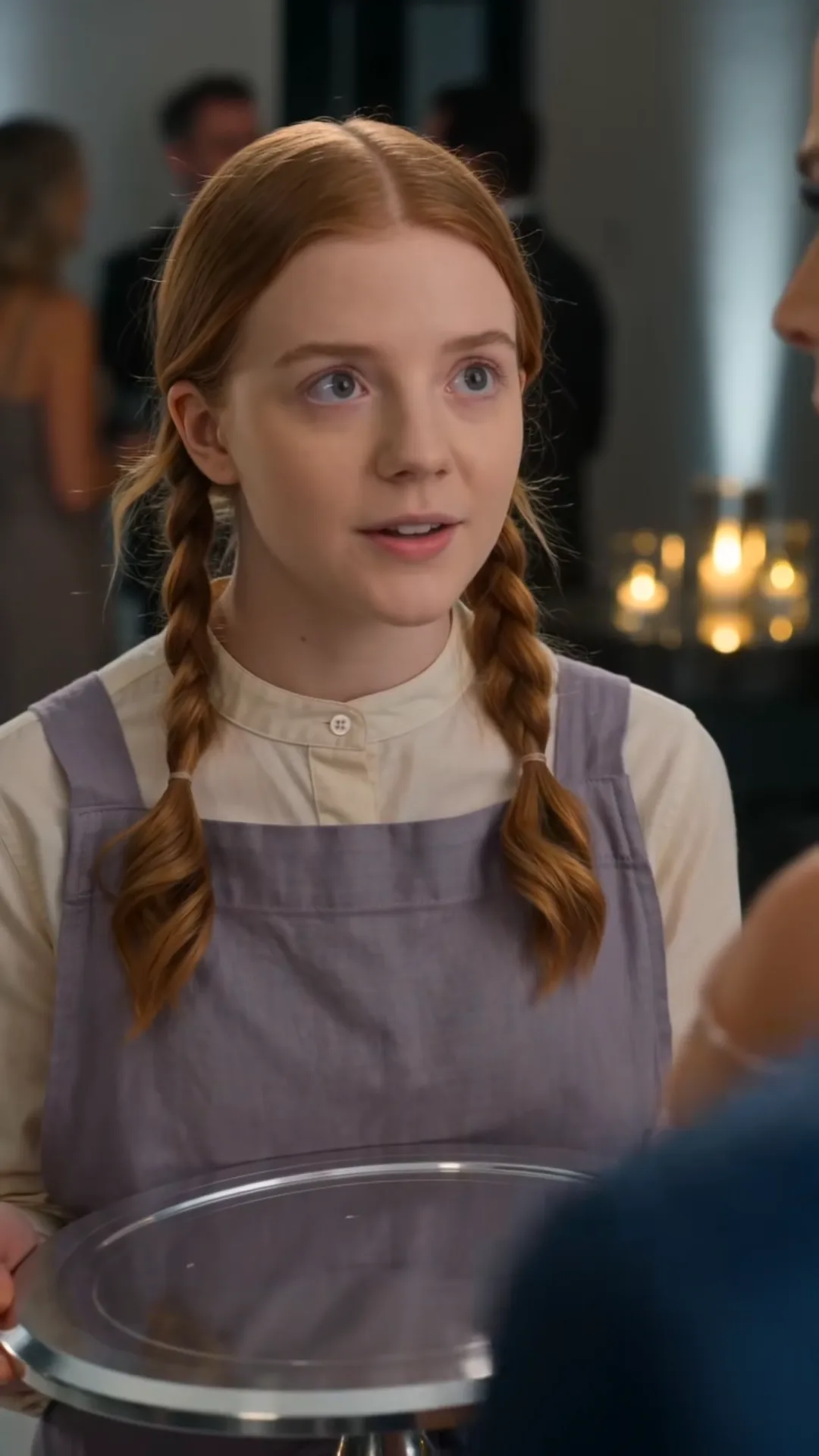
Adrián found the bakery on a Thursday.
He had not planned to go. He had told himself, repeatedly, over the four days since the engagement party, that seeking Gisela out again would only make an already complicated situation catastrophic. His father had called twice that week, tension audible even through the phone, asking pointed questions about "the incident" at the party and whether Adrián intended to embarrass the family further.
He had said no, each time.
He had meant it, mostly.
But on Thursday afternoon, walking home from a meeting with his father's lawyers about shipping contracts he barely understood and didn't particularly care about, his feet had simply turned, without much permission from the rest of him, toward Fountain Street.
He found the blue door propped open, boxes stacked along the interior wall, and Gisela up on a step stool, carefully removing a small brass bell from above the doorframe.
"You're closing?"
Gisela nearly dropped the bell. She turned, and something crossed her face — surprise, then wariness, then a carefully arranged neutrality that told him, more than any words could have, exactly how much trouble his engagement party had caused her.
"We have to be out by the end of the month," she said, climbing down from the stool. "The building was sold."
"Sold to whom?"
Gisela studied him for a long moment before answering. "Duarte Holdings."
Adrián went very still.
"That's not possible."
"I saw the registration myself. Renata Duarte's name is on it."
"Isabela's mother." Adrián's jaw tightened, a muscle working beneath the skin. "I'll fix this."
"You don't need to fix anything. It's not your responsibility."
"It is, actually." He stepped further into the shop, looking around at the half-packed boxes, the empty display case, the small, worn kitchen visible through a doorway at the back — the same kitchen, he realized, where she'd told him about her mother that rainy night. "This happened because of me. Because of what I said at the party."
"You didn't say anything wrong."
"I said enough to make my fiancée feel threatened enough to destroy your livelihood in under twenty-four hours." He rubbed a hand over his face, exhausted in a way that had nothing to do with sleep. "That's not nothing, Gisela."
Hearing her name in his voice — the same voice from the rainy night, gentler now, worn thin with guilt — did something to Gisela's careful composure that she hadn't expected.
"Why did you say it?" she asked quietly. "At the party. Why tell everyone about the bakery, about me, in front of four hundred people, in front of her?"
Adrián was quiet for a long moment.
"Because I've spent four months pretending to feel something I don't feel," he said finally. "And when you walked into that ballroom, it was the first honest moment I'd had in months. I wasn't thinking about consequences. I was just — relieved, to see something real in a room full of performance."
"That's not fair to her," Gisela said. "Isabela."
"I know."
"It's not fair to me either." Gisela set the brass bell down on the counter, harder than she meant to. "I don't want to be someone's real thing in the middle of an engagement to another woman. I have enough problems without becoming the villain in someone else's story."
"You're not the villain."
"Tell that to the thirty-day eviction notice."
Adrián flinched, visibly, like the words had physical weight.
"Let me buy the building back."
"No."
"Gisela—"
"No." She said it firmly, the way she imagined her mother would have said it, chin lifted, spine straight. "I won't take money from you to fix a problem your engagement created. That makes me exactly the kind of person Isabela already thinks I am — someone circling your money, waiting for scraps."
"Then what do you want me to do? Nothing?"
"I want you to leave," Gisela said, softer now, though no less certain. "Not because I don't — " she stopped herself, unwilling to finish that sentence, unwilling to give it air and let it become real. "Because every minute you stand in this shop is another reason for the Duartes to see me as a threat instead of a stranger who made a cake. And I have thirty days to figure out how to save fifteen years of Don Alvaro's life's work. I can't do that while also being the other woman in your fiancée's nightmares."
The words landed harder than she intended, and she watched them land — watched something in Adrián's face crack slightly, then rebuild itself into something more careful.
"You're right," he said finally. "I'm sorry. I didn't come here to make things worse."
"I know."
"I did come here for a reason, though." He reached into his coat pocket and withdrew a small card, setting it on the counter between them — not cash, not a gesture of charity, but a plain white business card. "This is my cousin, Renzo. He runs three restaurants downtown and he's been looking for a pastry supplier for months. I'm not asking you to take money from me. I'm telling you there's a market for what you make, if you're willing to look for it beyond one bakery lease."
Gisela looked at the card for a long moment.
"Why would you do this?"
"Because you're the best baker in this city," Adrián said simply. "I said it in front of four hundred people because it's true, not because I was trying to start a war. I'd like to see you land on your feet regardless of anything else happening between me and Isabela."
Gisela picked up the card, turned it over in her fingers.
"Thank you," she said finally. "For this. Not for the rest of it."
"I understand."
He turned to leave, then paused at the doorway, looking back at her one more time — at the half-packed boxes, the empty bell hook above the door, the woman standing amid the wreckage of a life she'd built with her own two hands, refusing every offer of rescue that came with strings attached.
"For what it's worth," he said quietly, "that night in the rain was the realest conversation I'd had in years. I don't regret it. I regret the cost it's had for you. Those are different things."
He left before she could answer.
Gisela stood alone in the half-empty shop for a long time after the door closed, the business card warm in her palm, and allowed herself — just for a moment, just alone where no one could see — to feel the full, complicated weight of everything that had happened since a rainy Tuesday four months ago.
Then she picked up a packing box and got back to work.
May you like



She had thirty days, and she intended to use every single one of them.
---







