Chapter 3 - The Leather and the Glass
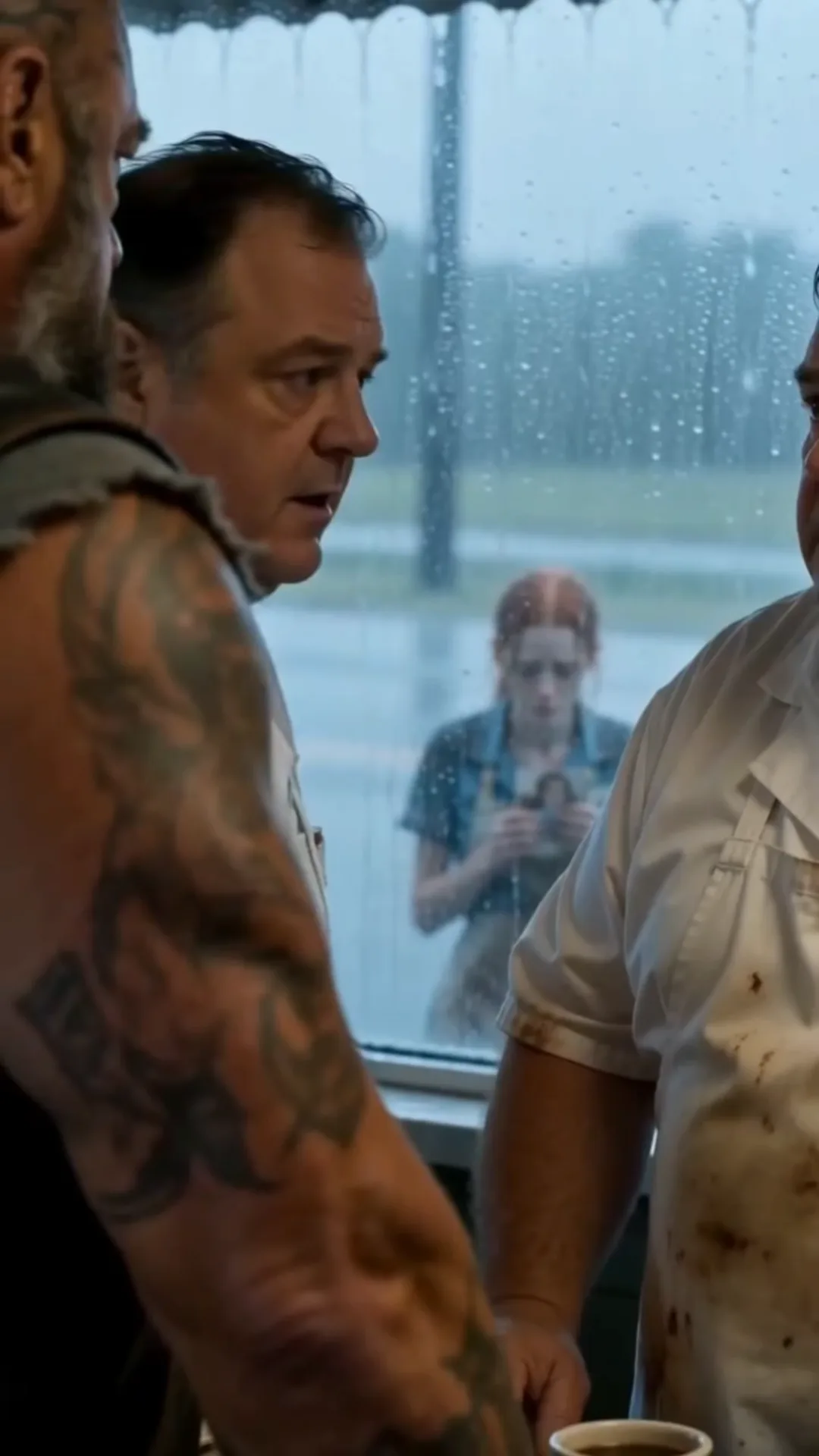
The man behind the glass was named Silas. He looked as though he had been carved out of the slate mountains that lined the county border—tall, broad-chested, with a heavy, salt-and-pepper beard framing a jawline etched by decades of hard, unforgiving labor. His thick arms, exposed by a black leather motorcycle vest worn over a faded gray flannel shirt, were covered in dark, intricate tattoos: fading anchor lines, barbed wire, and the heavy black outline of a shattered hourglass across his left forearm.
Silas did not look like the typical patrons of the Starlight Diner. He did not have the defeated, hollow slouch of the local farmers or the jittery, exhaustion-fueled energy of the long-haul truckers. He stood with a heavy, rooted stillness, his large hands wrapped around the thick white ceramic mug, steam rising into his face.
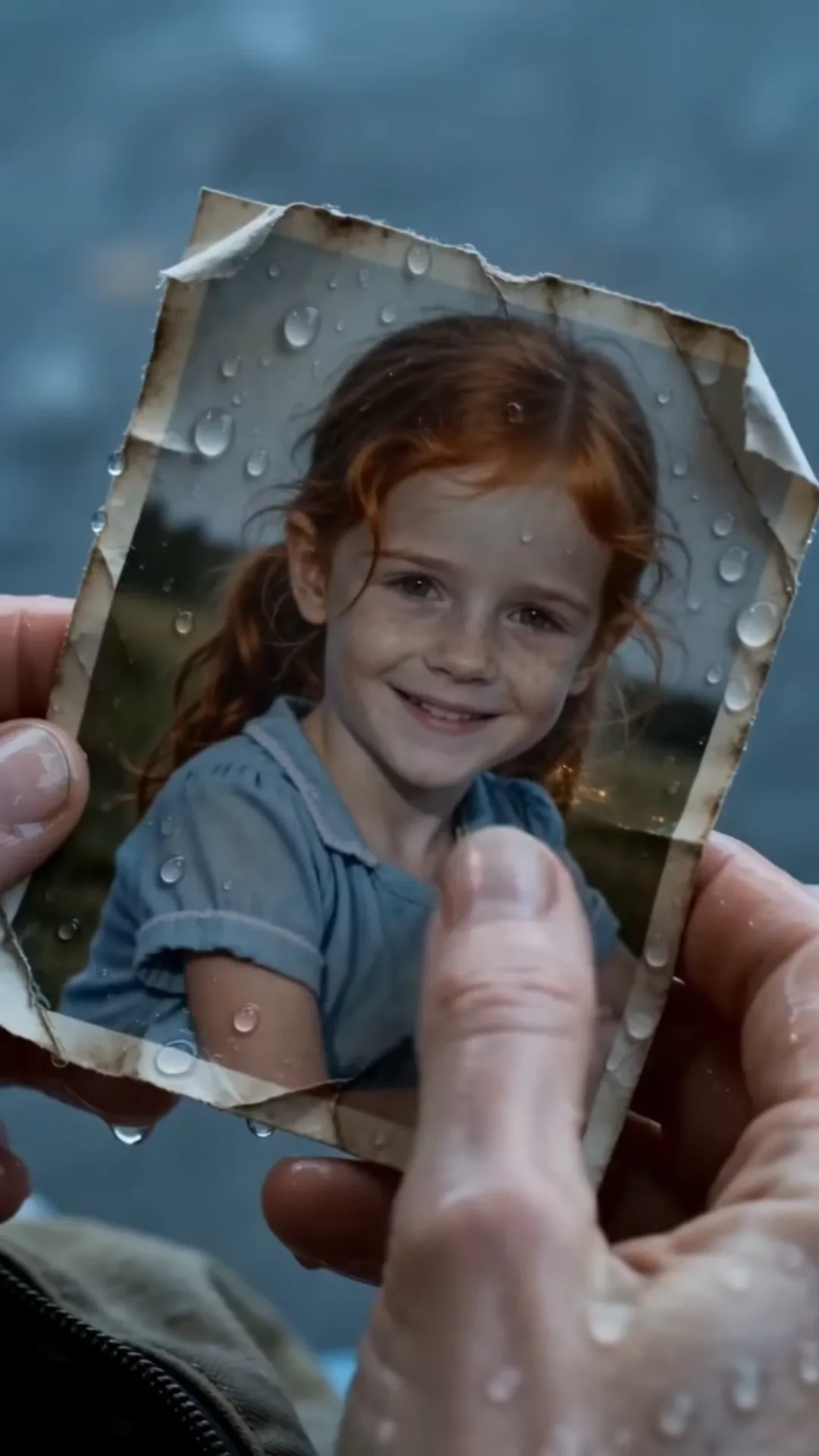
Through the distorted, water-beaded pane of the window, Silas watched the red-haired girl on the bucket. He had seen her take her break ten minutes ago, pushed out into the storm by the fat cook behind the stove. He had watched her eat the wet bread. And he had watched her pull out the crumpled photograph and double over in an agony so raw, so familiar, that it made the old scar running down the side of his own ribs throb with a dull, phantom ache.
Silas took a slow sip of the scalding black coffee. His dark eyes remained fixed on her shivering shoulders. He saw the way she held the photograph—not with casual affection, but with the desperate, white-knuckled grip of a drowning person clinging to a piece of driftwood in a hurricane.
He knew that grip. He had held a photograph like that eleven years ago in a federal waiting room in Chicago while doctors in sterile white coats spoke in low, practiced voices about heart valves and surgical waitlists that ran out of time.
"More coffee, chief?"
Hank’s rasping voice broke through the low hum of the diner’s jukebox, which was playing a scratchy country ballad. The cook stood behind the grease-splattered order counter, a stained rag slung over his shoulder, a half-burned cigarette dangling from the corner of his thin, chapped lips.
Silas did not turn his head immediately. He let his gaze rest on Clara’s soaked red hair for three more seconds before turning slowly around. He set the porcelain mug down on the Formica counter with a heavy, deliberate THUD that made the silverware in the plastic bin rattle.
May you like



"Why is she eating out there?" Silas asked.
His voice was a low, resonant rumble—a deep baritone that carried a subtle, dangerous edge, like heavy iron chains dragging across concrete.