Chapter 3
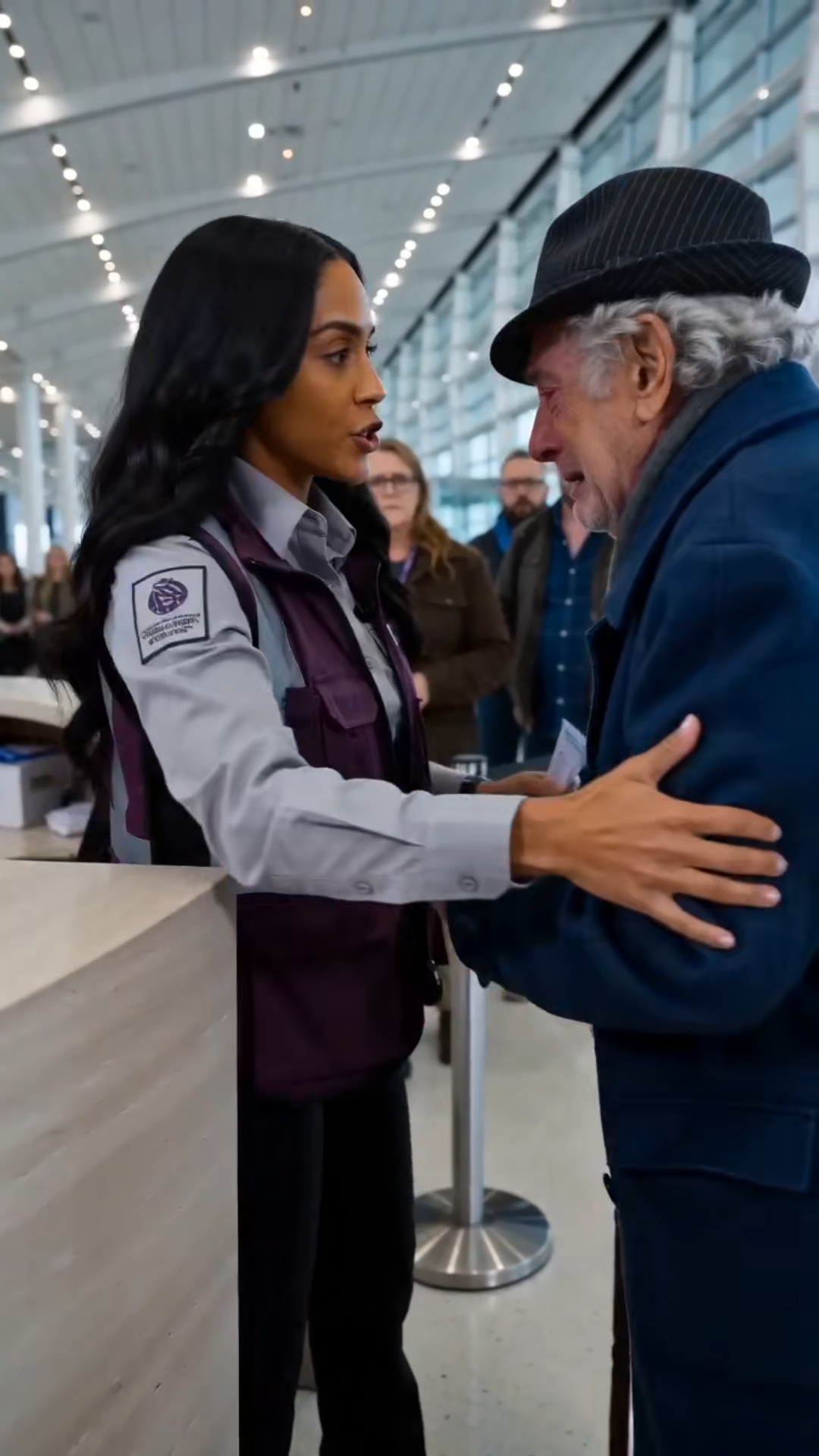
My breath caught in my throat. The migraine at the base of my skull gave a sharp, violent throb.
Why would an old man fake a disability and a deceased daughter just to get through a bus terminal?
I dropped the handle of my luggage cart, leaving my subpoena files behind without a second thought. I slipped out of the queue, blending into the small group of passengers who were slowly dispersing toward the coffee kiosks and restrooms. Keeping a distance of thirty feet, I followed the old man and Officer Rice as they walked down the long, carpeted corridor leading toward Gate 4.
The terminal was vast, designed in the late 1990s with sweeping steel trusses and towering glass facades that looked out onto the grey, rain-slicked asphalt of the bus bays. Outside, the early morning light was just beginning to break, painting the horizon in dismal shades of bruised purple and slate grey.
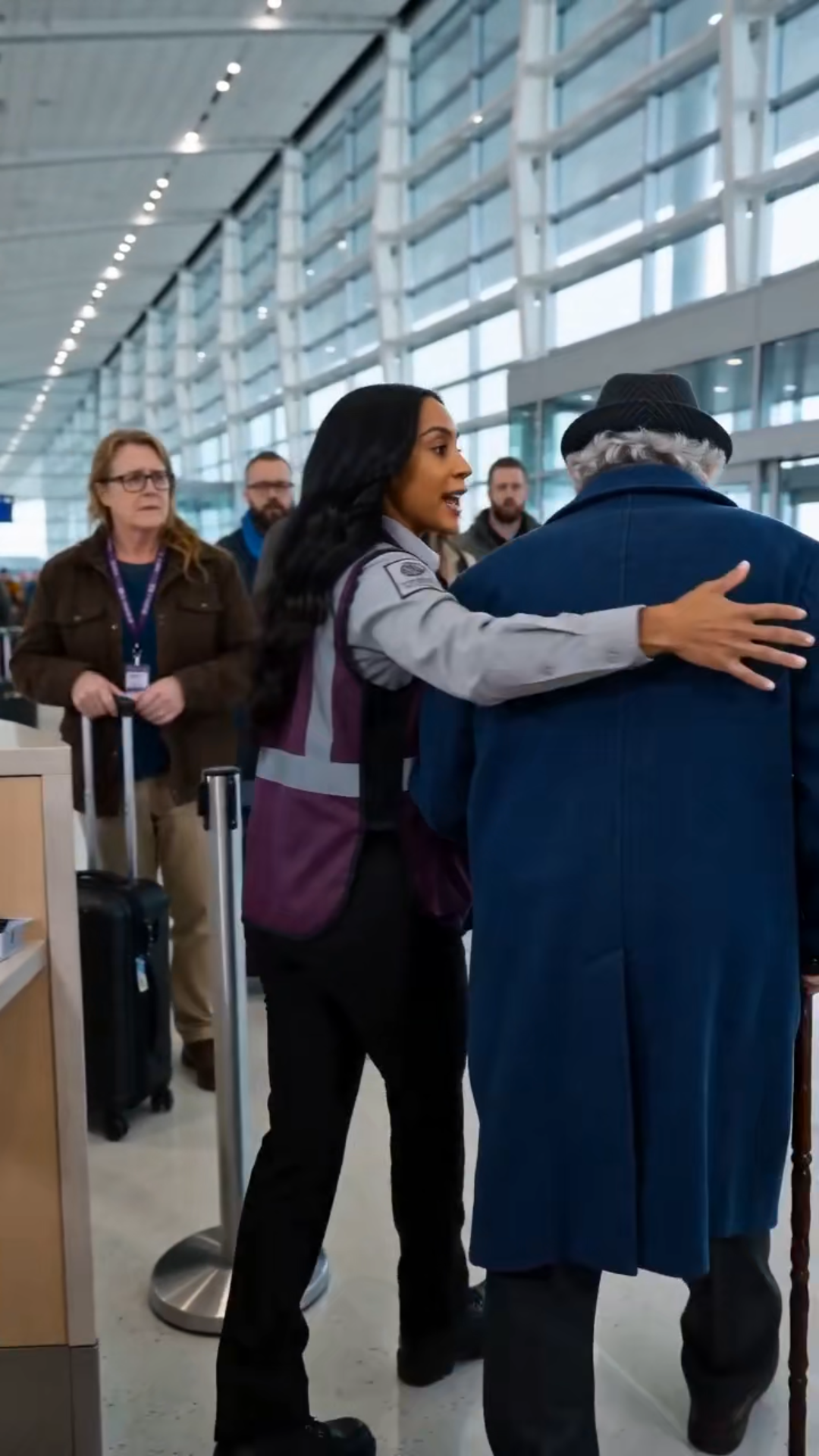
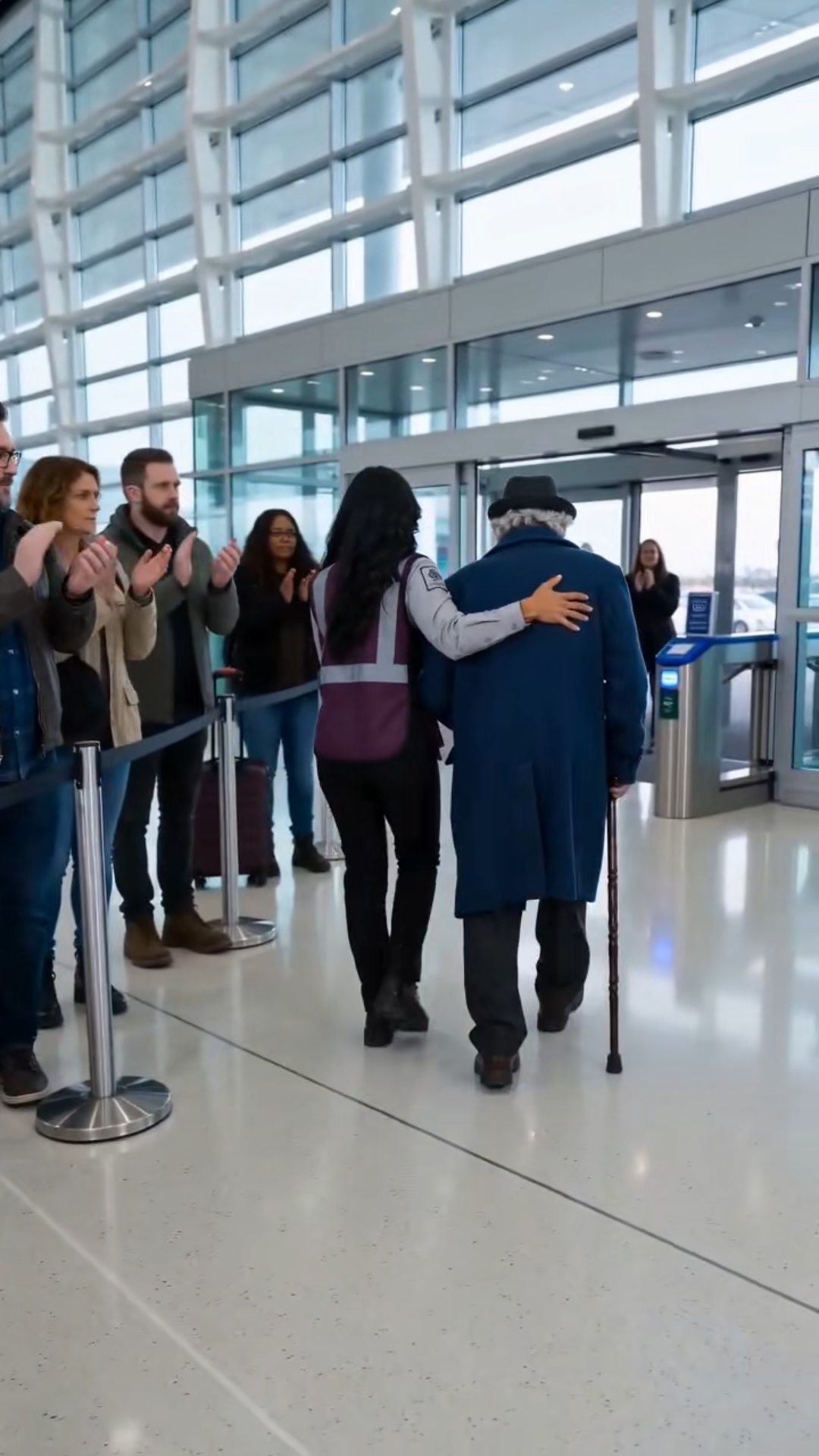
Officer Rice walked slowly, matching the old man's deliberate, halting pace. She spoke to him in hushed, comforting tones, her head tilted toward him in a display of professional empathy. To anyone watching from the terminal windows, she was a heroic public servant assisting a vulnerable citizen.
To me, tracking them from behind a massive concrete support pillar, something felt terribly, profoundly wrong.
As they reached the heavy double doors leading to the private staff ramp—a restricted zone marked AUTHORIZED PERSONNEL ONLY—Officer Rice produced a keycard from her tactical vest. She swiped it against the electronic reader. The light flashed from red to green with a sharp beep.
She didn't lead him toward the public boarding gate for the Cedar Ridge bus. She led him through the staff door into the dimly lit service stairwell.
I accelerated my pace, my rubber-soled shoes making no sound against the thick commercial carpet. I reached the service door just as it was clicking shut. I caught the frame with my fingertips, holding the heavy steel door open by a fraction of an inch.
I pressed my eye against the narrow gap.
The stairwell was raw concrete, cold and damp, smelling of ozone and wet dust. The bright, warm atmosphere of the terminal lobby vanished instantly, replaced by the harsh, yellow glare of a single bare bulb hanging from the ceiling.
The old man was no longer hunching his back.
He stood perfectly erect. He reached up with both hands, unbuttoning his faded beige jacket with smooth, astonishingly fast dexterity. He pulled off the grey flat cap, revealing a thick head of dark brown hair underneath a thin flesh-colored silicone bald cap. He reached up to his neck, pinched a seam near his collarbone, and peeled off a thin layer of synthetic skin that covered his throat and lower jaw.
Within five seconds, the 80-year-old frail victim had vanished. Standing in his place was a man in his mid-thirties, lean, muscular, with sharp, feral features and cold, calculating gray eyes.
"That was too close, Maria," the man spoke. His voice was no longer frail or trembling; it was deep, smooth, with a subtle Eastern European accent. "Vance wasn't supposed to be working Counter 7 today. The schedule said Henderson."
Officer Maria Rice didn't look surprised. She stood on the second step of the landing, her hands resting calmly on her belt.
"Vance is a greedy idiot," Rice replied, her voice cold and devoid of any of the warmth she had shown in the lobby. "He was skimming cash on the side. His stupidity actually gave us the perfect cover. The crowd was so busy watching me play the hero that nobody noticed you switching the passes."
The man reached into his jacket pocket and pulled out a small, metallic cylinder, no larger than a marker pen. It was made of brushed titanium with a small digital LED display near the tip. "Did you get the override key from Vance's terminal when you pretended to check the ticket history?"
Rice reached into her vest and pulled out a black USB key shaped like a standard transit diagnostic tool. "Right here. The master access codes for the entire regional transit network. Every route, every cargo manifest, every security camera feed between here and the border."
She handed the USB drive to the man. He plugged it into the bottom of the titanium cylinder. The small LED display flickered to life, glowing a vivid, unnatural emerald green.
My blood ran cold. I wasn't watching a simple case of administrative corruption or a heartwarming rescue.
This was an infiltration.
The entire scene in the lobby—the rude clerk, the expired ticket, the emotional plea about a dead daughter, the dramatic intervention by the brave female officer—had been a meticulously staged psychological operation. It was a engineered piece of street theater designed to manipulate the crowd's emotional focus, create a high-stress distraction, and allow Rice to access Vance's counter terminal to steal the network's master security keys without triggering an automated alarm.
They had used human empathy as a blind spot.
I pulled out my smartphone, my hands trembling slightly as I set the camera to silent video mode. I raised the phone to the narrow gap in the door, aiming the lens directly at the two figures in the stairwell. I needed evidence. If I went to the airport police now, Vance’s arrest would obscure the larger plot, and Rice—acting as the hero—would simply walk away with the security keys.
Through the phone's screen, I saw the man look up at the titanium cylinder.
May you like



"The cargo on Bus 402," the man whispered. "Is it secured?"
"It's in the lower luggage compartment," Rice replied. "Three silver cases marked as hazardous medical waste. The driver thinks he's hauling routine lab samples to the state university. He has no idea he's carrying forty kilos of weaponized neurotoxin."