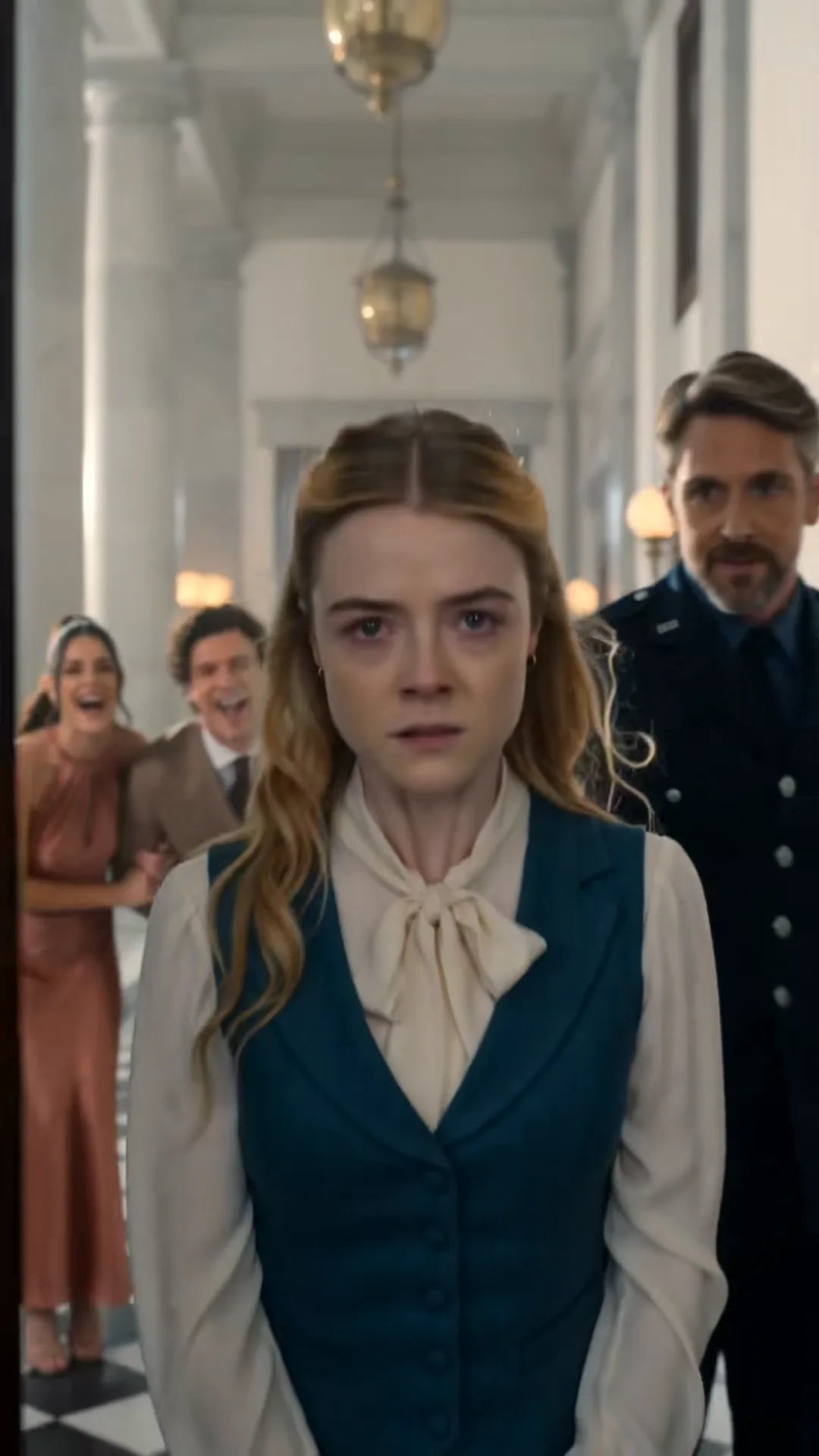
Chapter 2 - The Name That Opened Doors
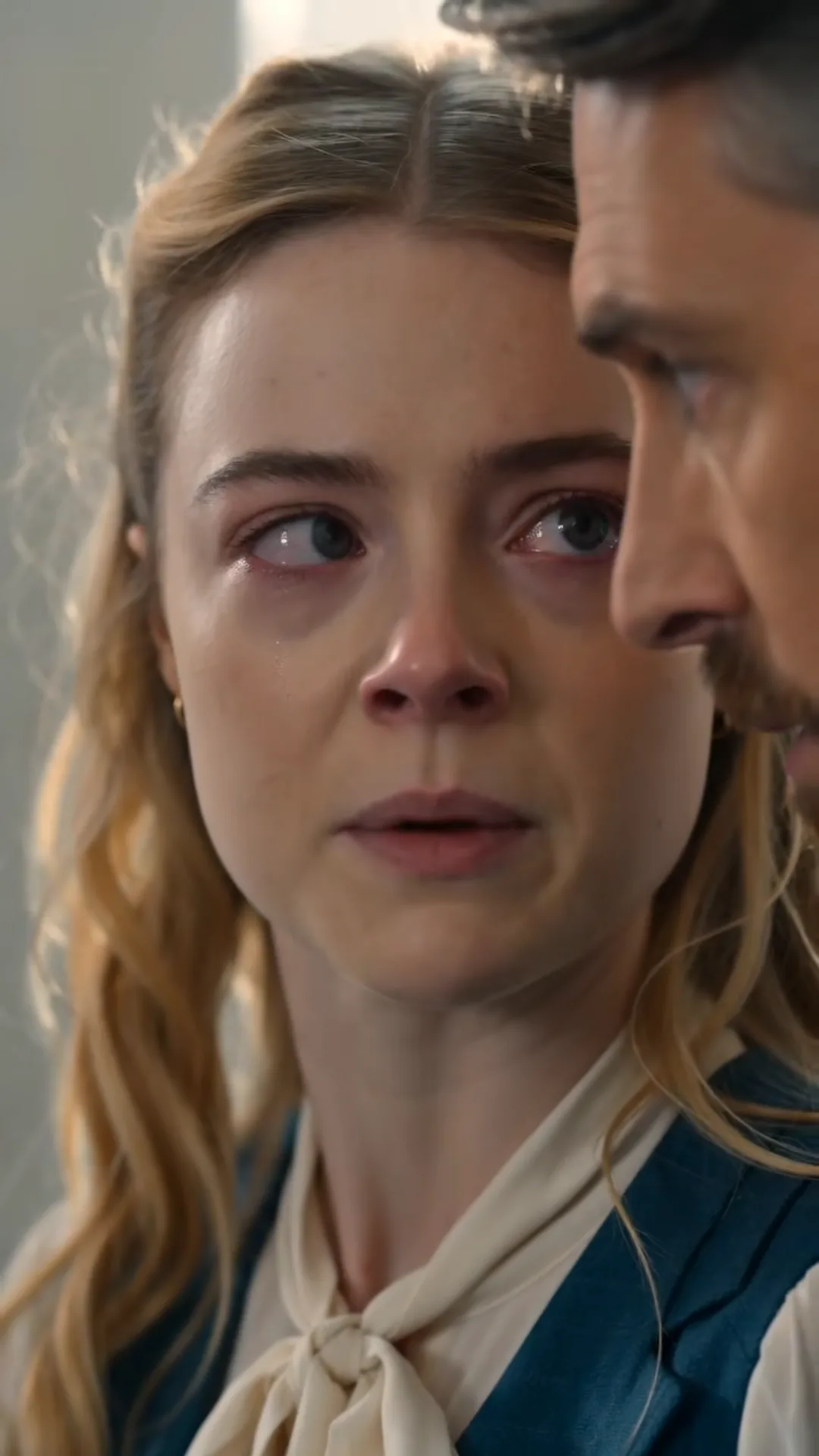
Sergeant Frank Doran had worked eleven years for the department, and in all eleven of those years, he had never once broken protocol on an active transport.
He broke it in a stairwell four minutes after the glass doors closed behind them.
He didn't call from his desk. He didn't call from the precinct. He pulled his personal phone from an inner jacket pocket, stepped into a stairwell that smelled like industrial cleaner and old cigarettes, and dialed a number he had memorized fourteen years ago and never once used.
It rang twice.
"Zukowski."
The voice on the other end was flat, businesslike, a voice used to people wanting things from it.
Frank cleared his throat. "Mr. Zukowski, you don't know me. My name is Frank Doran. I served with your son. Camp Leatherneck, oh-nine."
A pause. Long enough that Frank wondered if the call had dropped.
"Danny Doran's brother," the voice said finally, and something in it had changed — not warmer, exactly, but sharper. Attentive. "You're the one who carried him out."
"Yes, sir."
"He told me, before he passed. Said if I ever needed anything—"
"I don't need anything, sir." Frank's throat tightened. "I'm calling because your daughter needed something. I just walked her out of a courthouse in cuffs twenty minutes ago."
Silence again. This one had a different texture. This one had teeth in it.
"Say that again," Christopher Zukowski said, very quietly.
"Genevieve, sir. Convicted this morning. Fraud. Embezzlement. Ten years." Frank's hand tightened on the phone. "She asked me to call you. She said to tell you she was framed."
The silence that followed lasted eleven seconds. Frank counted every one of them, because eleven seconds of silence from a man like Christopher Zukowski was its own kind of information.
"Where is she now," Zukowski said. Not a question. An instruction disguised as one.
"Transport van, heading to Cedarbrook Correctional. I have maybe ten minutes before I'm expected back on shift."
"Ten minutes." A sound came through the phone that might have been a chair scraping back, might have been a door opening. "Sergeant Doran. I am going to ask you one question, and I need you to answer it honestly, because everything after this depends on it."
"Yes, sir."
"Do you believe her?"
Frank thought about the hallway. About the two people laughing behind a woman in cuffs. About the way Genevieve Zukowski had not cried once during the entire walk, not really, had held her face together with something that looked less like innocence and more like fury banked down to embers.
He thought about the paperwork he'd glanced at during transport intake — evidence that was, in his eleven years of experience watching guilty people get processed, unusually, suspiciously, almost theatrically clean.
"Yes, sir," he said. "I believe her."
"Then you're about to have a very interesting week, Sergeant."
The line went dead.
Frank stood in the stairwell for a moment longer than he should have, listening to his own heartbeat, wondering exactly what he had just done.
---
Christopher Zukowski hung up the phone in an office forty floors above a city he had spent thirty years learning to control, and for the first time in longer than he could remember, his hands were shaking.
Not from fear.
From something older than fear. Something that had been sleeping in him since the day his wife died and left him a daughter to raise alone, a daughter he had failed in the specific way successful men fail their children — by giving her everything except the thing she actually needed, which was him, paying attention, at the right moment.
He had not paid attention nine years ago when Genevieve brought home a smooth, charming man named Marcus Doyle who worked in finance and complimented everyone's shoes.
Christopher had disliked him instantly, the particular instinctive dislike a man develops for another man who reminds him too much of himself at a younger, hungrier age.
He had said nothing.
Genevieve was twenty-six, in love, tired of her father running background checks on every man who took her to dinner. She had told him, in the exact words he still remembered nine years later: "Not everyone is trying to steal something from you, Dad. Some people just want to love your daughter."
He had let it go.
He had told himself that was what good fathers did — they let go, they trusted, they didn't build a wall around their children's hearts just because they'd built walls around everything else.
He picked up his desk phone and pressed a single button, an intercom line that connected directly to a small, windowless office three floors down where a woman named Adaeze Mensah ran an investigative unit that officially did not exist and unofficially had uncovered things that made judges nervous.
"Ada," he said, when she answered. "Clear your morning."
"What happened?"
"My daughter was just convicted of a crime she didn't commit, and I let it happen because I was busy running a company instead of running a background check on my own son-in-law." His voice was steady, terrifyingly steady, the voice of a man who has decided, in the space of ninety seconds, exactly what the rest of his life is going to look like. "I want everything on Marcus Doyle. Every account. Every phone record. Every hotel receipt going back three years. And I want to know who built the paper trail that put my daughter in a cell this morning, because I guarantee you it wasn't him alone. He doesn't have the patience for detail work."
There was a pause, the sound of a chair rolling across a floor, a keyboard waking up.
"How fast do you need this?"
Christopher Zukowski looked out his window at a city that had made him rich and had somehow, in all his years of building things, never taught him how to protect the one thing that actually mattered.
"Yesterday," he said. "I need it yesterday."
He hung up the phone and sat for a long moment in a corner office that suddenly felt very large and very empty, and he thought about a nine-year-old memory: a small girl crying over a broken toy, and himself crouched down to her level, telling her not to cry over what she couldn't fix today.
Watch instead, he had told her. Watching is how you fix things tomorrow.
He hadn't watched closely enough.
May you like



Tomorrow had arrived nine years late, and it was going to cost Marcus Doyle everything he owned.
---