Chapter 4 - The Doorway
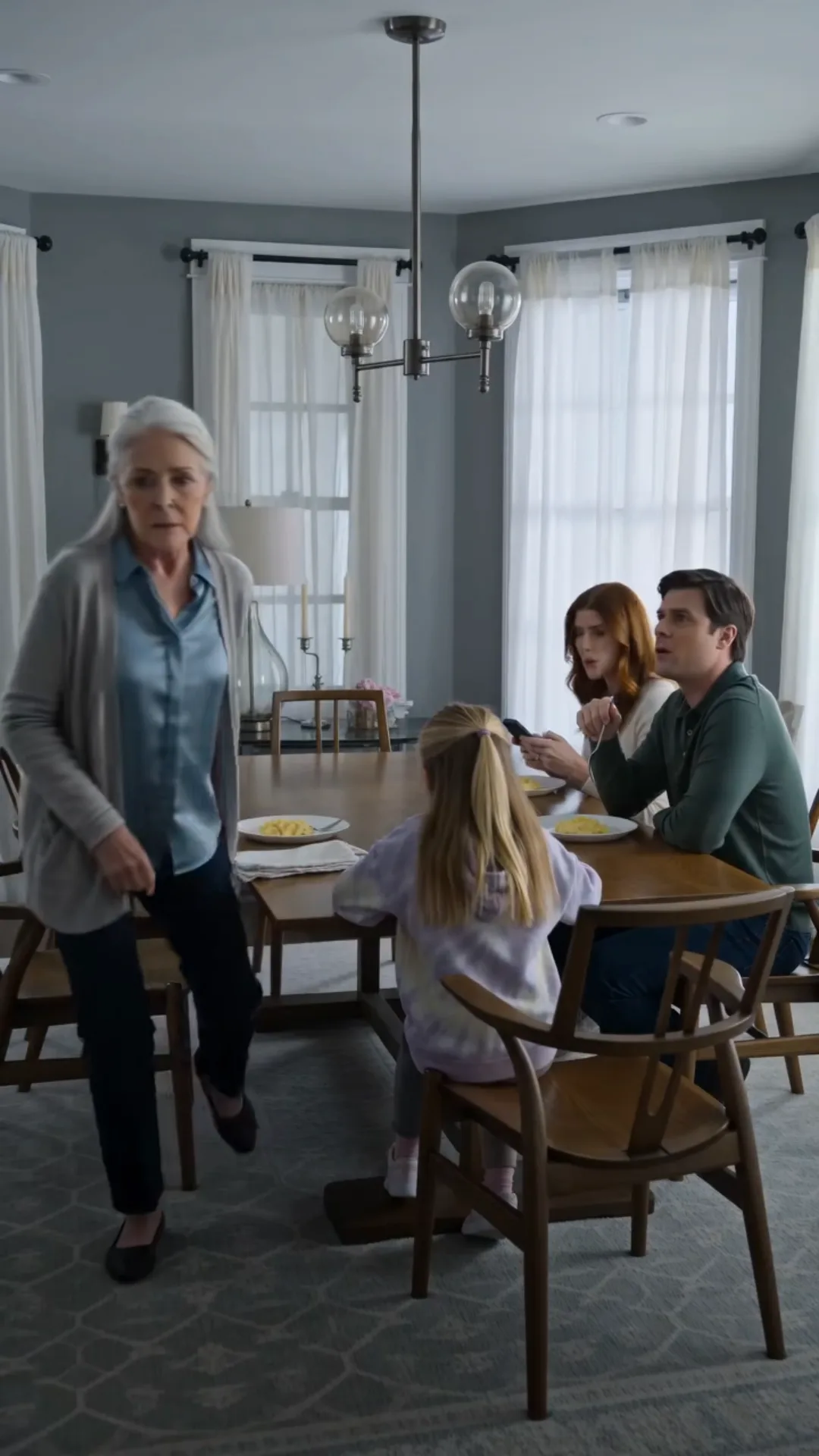
The hallway was darker than the dining room.
Eleanor had noticed this before, in the ordinary way you notice the temperature of a room you live in — not consciously, not until tonight, when the darkness felt like something she was walking into on purpose.
The dining room light was warm, yellow, deliberately soft — Claire had chosen the bulbs herself, made a small production of it at the hardware store, something about ambiance.
The hallway had the builder's original fixture. Colder. Bluer. Nobody had ever bothered to change it, because nobody spent enough time standing still in a hallway to notice.
Eleanor noticed now.
She stopped three steps into it.
Not because her body wanted to stop. Her body, if left alone, would have carried her straight down the hall, into the guest room, and shut the door, and let the day end there, the way most of her days ended lately — quietly, alone, with the television turned low enough that it wouldn't carry through the walls and be one more thing she was accused, silently, of doing wrong.
She stopped because something else in her — older than her body, older than this house — refused to let the evening end with her simply disappearing.
She closed her eyes.
Not from tears. From something that needed containing before it became tears, which was a different thing entirely, a thing she had gotten very good at over fourteen months.
One breath. In through the nose. Held.
Frank used to tell her she counted when she was upset. I can see you doing it, he'd say, amused, not unkind. Your lips move. One, two, three.
She wasn't counting now. She was just breathing, and trying to remember what his voice sounded like when he said that, and finding, with a small fresh cut of grief, that she could remember the words but not quite the exact pitch of them anymore. Fourteen months. The voice was already starting to go soft at the edges, the way old photographs lose their color.
She opened her eyes.
And turned her head.
Behind her, framed by the dining room's warm light like actors on a small stage, Claire and Daniel were both looking at her.
Not at each other. At her.
Claire's phone had gone dark in her hand, forgotten. Daniel's fork was down again, chicken still speared on the end of it, cooling.
Neither of them had moved from the table. Neither of them had followed her the three steps it would have taken to actually ask her something real.
Eleanor looked at them the way she had once looked at a rip in wallpaper she was deciding whether to fix or simply live with.
She did not say anything.
She let the look do it instead — the wide-open shock from the dinner table, entirely gone now, replaced by something colder, flatter, more finished. A door not slamming, but closing all the way, quietly, click.
Daniel's mouth opened slightly, as if a word were forming, and then didn't.
Claire's expression flickered — something almost like discomfort passing over it, gone as fast as it arrived, replaced by a small, defensive tightening around her eyes, the look of a person deciding, in real time, that she has done nothing wrong here and will not be made to feel otherwise.
Eleanor held the look for exactly as long as it took to be sure they had both seen it.
Then she turned away completely.
She did not look back again.
Her slippers made almost no sound against the hallway runner — cheap, sale-rack slippers, purchased at a drugstore in the disorienting week after Frank's funeral when she had realized, absurdly, standing in an aisle of house shoes, that she did not know her own foot size in this new decade of her life, this decade she would apparently be living without him.
She reached the guest room door.
Put her hand on it.
Behind her, faintly, she heard Nora's voice pipe up — something about the hamster girl again, entirely unbothered, entirely unaware that anything of consequence had just occurred three feet from where she was eating dessert.
May you like



Eleanor closed the door behind her, gently, the way a person closes a door on a room they intend to come back into — because leaving loudly, she had learned in forty years of marriage and one year of widowhood, only ever gives other people something to talk about after you're gone.
---







