Chapter 1 - Mud
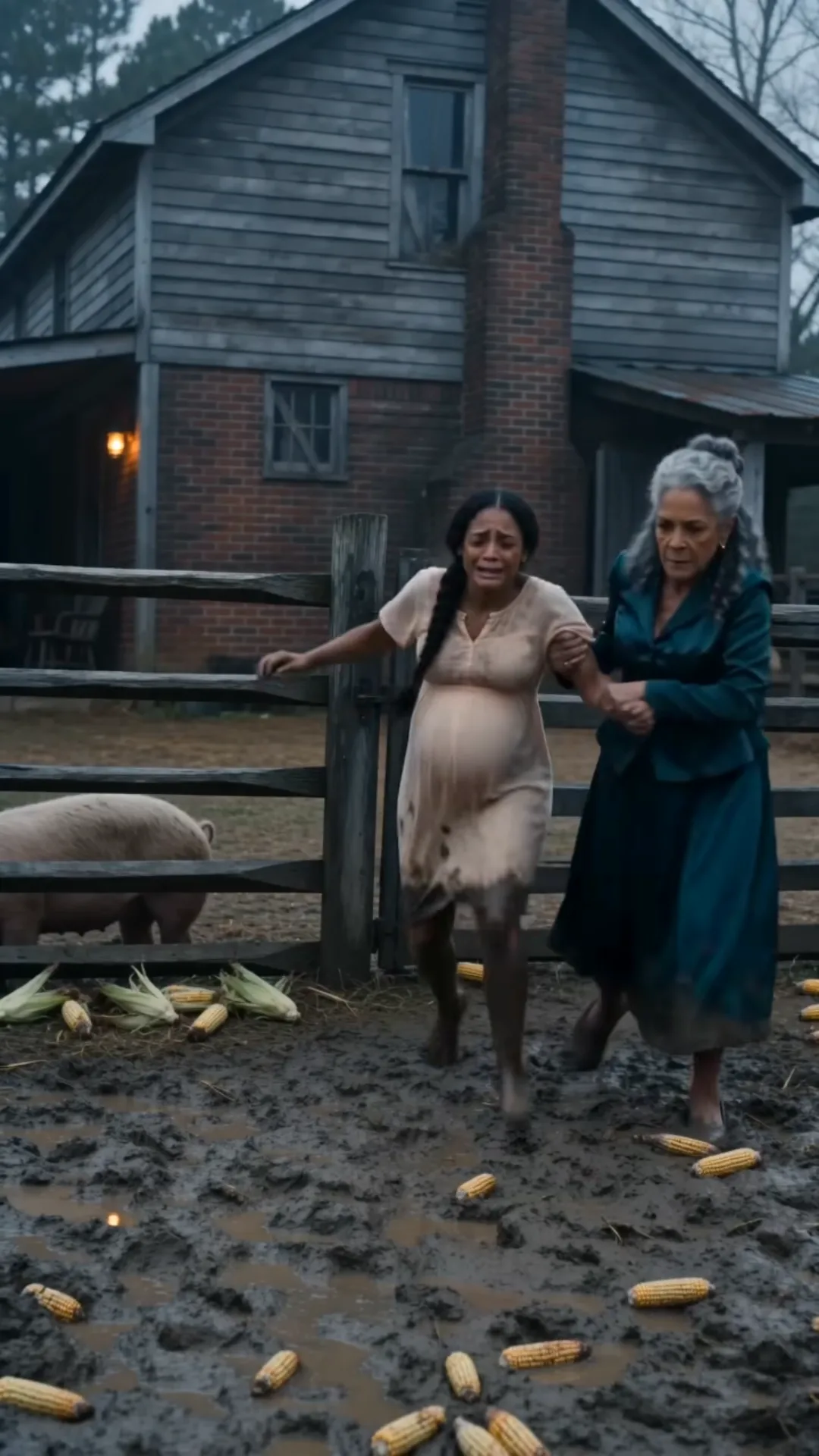
The mud came up to her ankles.
It was not cold. Nothing at Fazenda Santa Luzia was cold, even in the last hour of light, even when the sky went the color of a bruise healing — gold at the edges, purple underneath.
Isadora did not look at the sky.
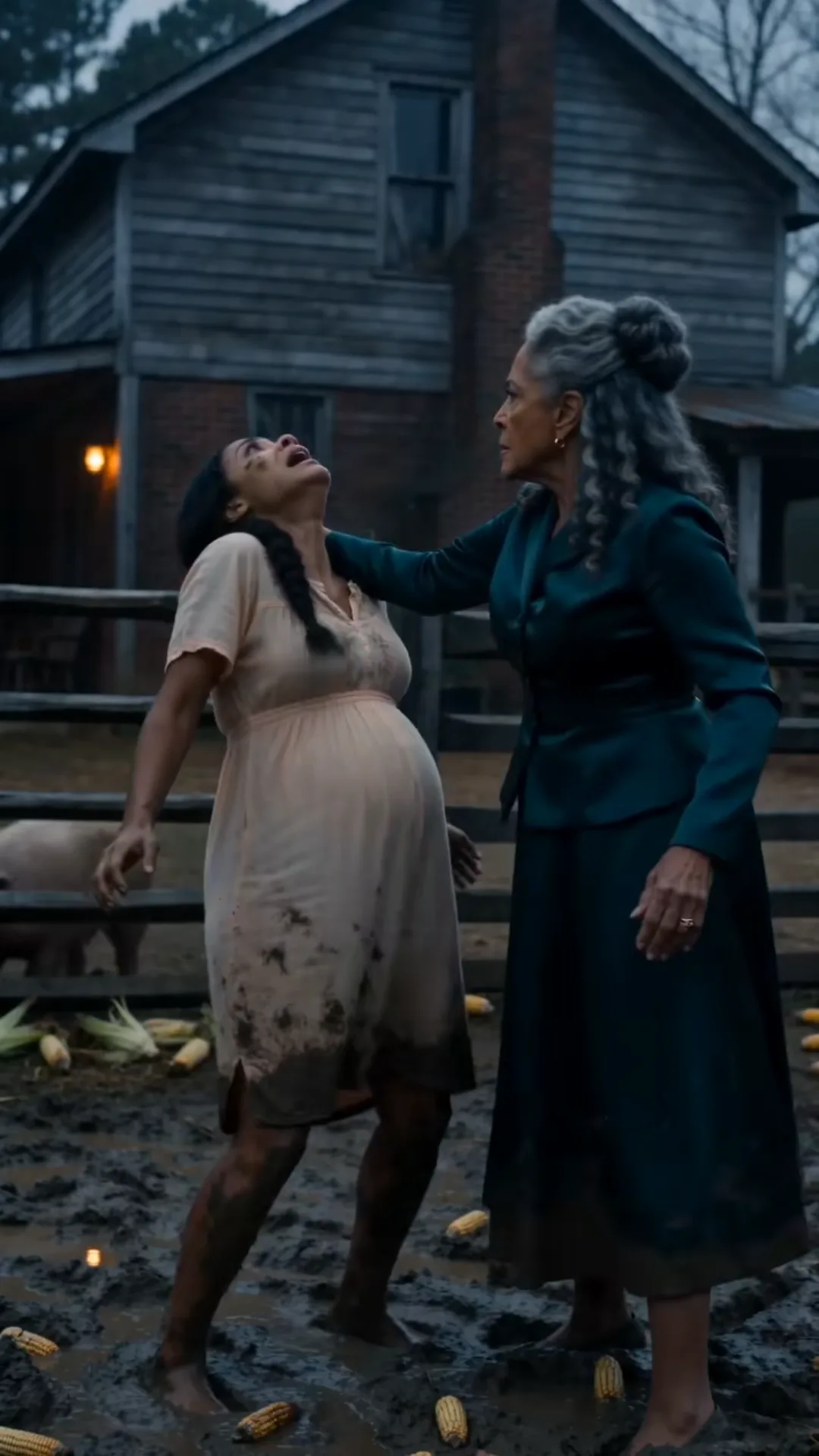
She looked at Dona Amélia's hand, wrapped around her wrist like a rope around a post.
"Please," Isadora said. "Please, senhora, don't do this."
Her voice cracked on the word please. It cracked the way old wood cracks — not loud, just a small give, a small failure in the grain.
"I have nowhere to go."
Dona Amélia did not answer right away.
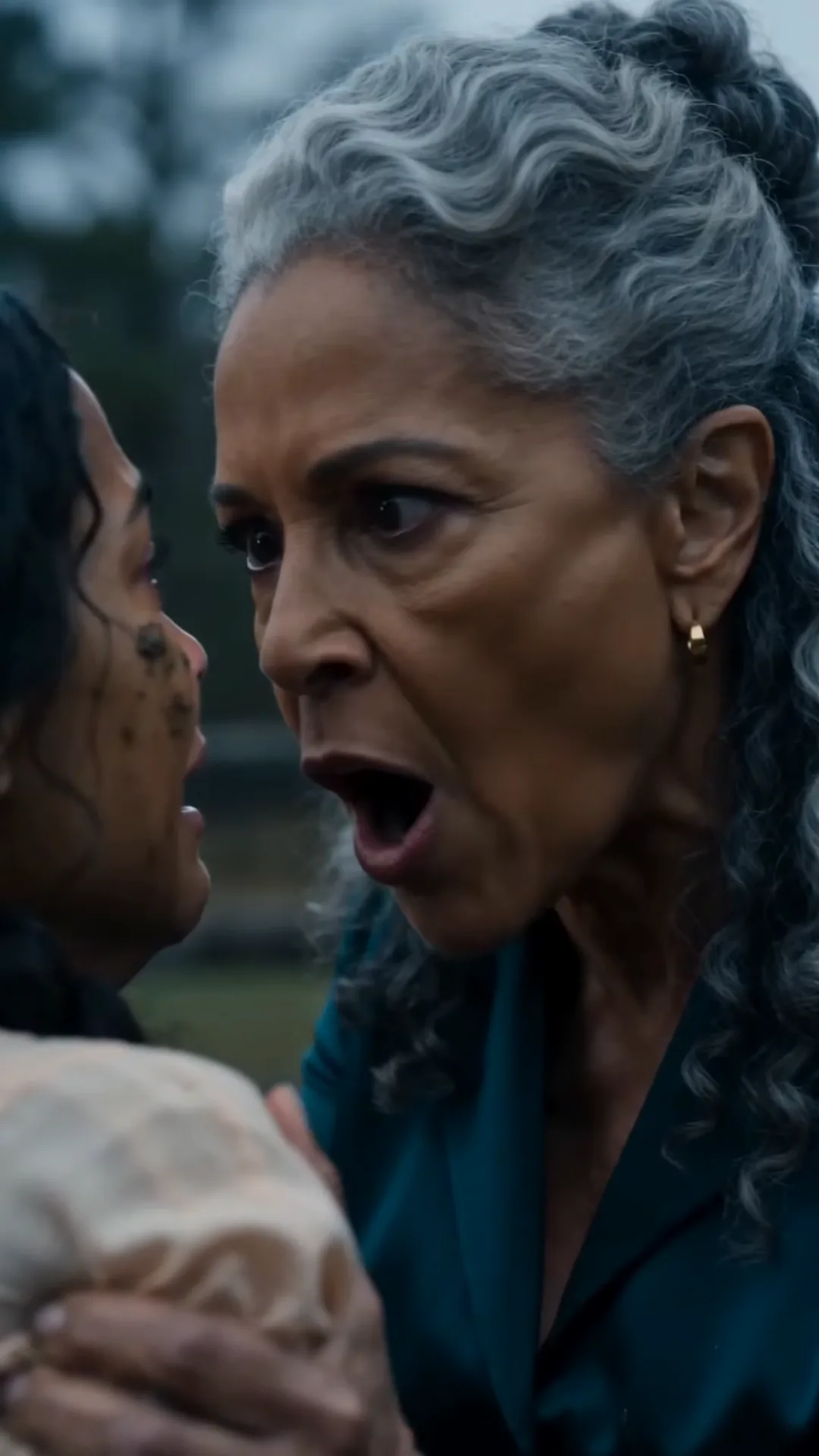
She was a tall woman, taller in her black dress than she needed to be, with grey hair pulled back so tightly it seemed to pull her whole face taut. Her lipstick was the red of things that have already stopped bleeding. Dried. Set.
She pulled.
Isadora's bare feet slid in the mud, and a corn cob rolled out from under her heel, and somewhere behind the fence one of the pigs made a sound like a door opening on a rusted hinge.
Isadora's nightgown had been white that morning.
It was not white now.
There was mud on the hem, mud in a long stripe up one thigh where she had fallen once already, mud pressed into the creases of her knuckles where she had tried to catch herself. Her hair had come half out of its braid. A strand of it stuck to her cheek, glued there by sweat or tears — it was impossible, at this point, to tell which.
She was seven months along. Maybe eight. Her belly strained the thin cotton in a way that made every pull of Dona Amélia's hand look worse than it was, and also exactly as bad as it was.
"Sit down," Dona Amélia said.
It was not kind, the way she said it. It was not unkind, either. It was the voice of a woman ordering a chair to be moved.
Isadora did not sit.
She stood in the mud with her hands pressed flat against the curve of her stomach, as if her palms alone could build a wall.
Somewhere past the fence, past the two pigs rooting in the muck, the whitewashed house watched them both with its dark windows, and said nothing, because houses never do.
"You think I don't know," Dona Amélia said, "what it costs to stand in the sun for an hour."
She was not looking at the girl now. She was looking at her own hand, the one still closed around Isadora's wrist, as if surprised to find it there.
"I have stood in worse."
Isadora's chin trembled. She bit down on the inside of her cheek to stop it, and the trembling moved to her hands instead, small and fast, like a bird under a cloth.
"I didn't tell him anything," she said. "I swear on — I swear on this baby, senhora, I didn't tell him where—"
"Don't," Dona Amélia said.
One word. It landed like a dropped plate.
"Don't swear on that child. Not to me. Not today."
The light was doing something strange to both of their faces now — turning the deep lines around Dona Amélia's mouth into little trenches of gold, turning the tear-tracks on Isadora's cheeks into thin bright wires. It was, if a person could have stood back far enough to see it, almost beautiful.
Neither of them stood back far enough.
A pig grunted and shoved its wet nose through a gap in the fence rail, snuffling at a fallen ear of corn, indifferent to the two women a few feet away pulling something taut between them that had no name yet.
Isadora looked down at the mud.
At her own bare toes, sunk half an inch into it.
At the small dark stain spreading from where a decision, whichever one this turned out to be, would eventually be planted.
"Where would I even go," she whispered, mostly to the mud, mostly to herself.
Dona Amélia's grip did not loosen.
But her eyes, for one second, flicked toward the road.
The empty road, right now.
May you like



Not empty for long.
---