Chapter 2 - The Photograph
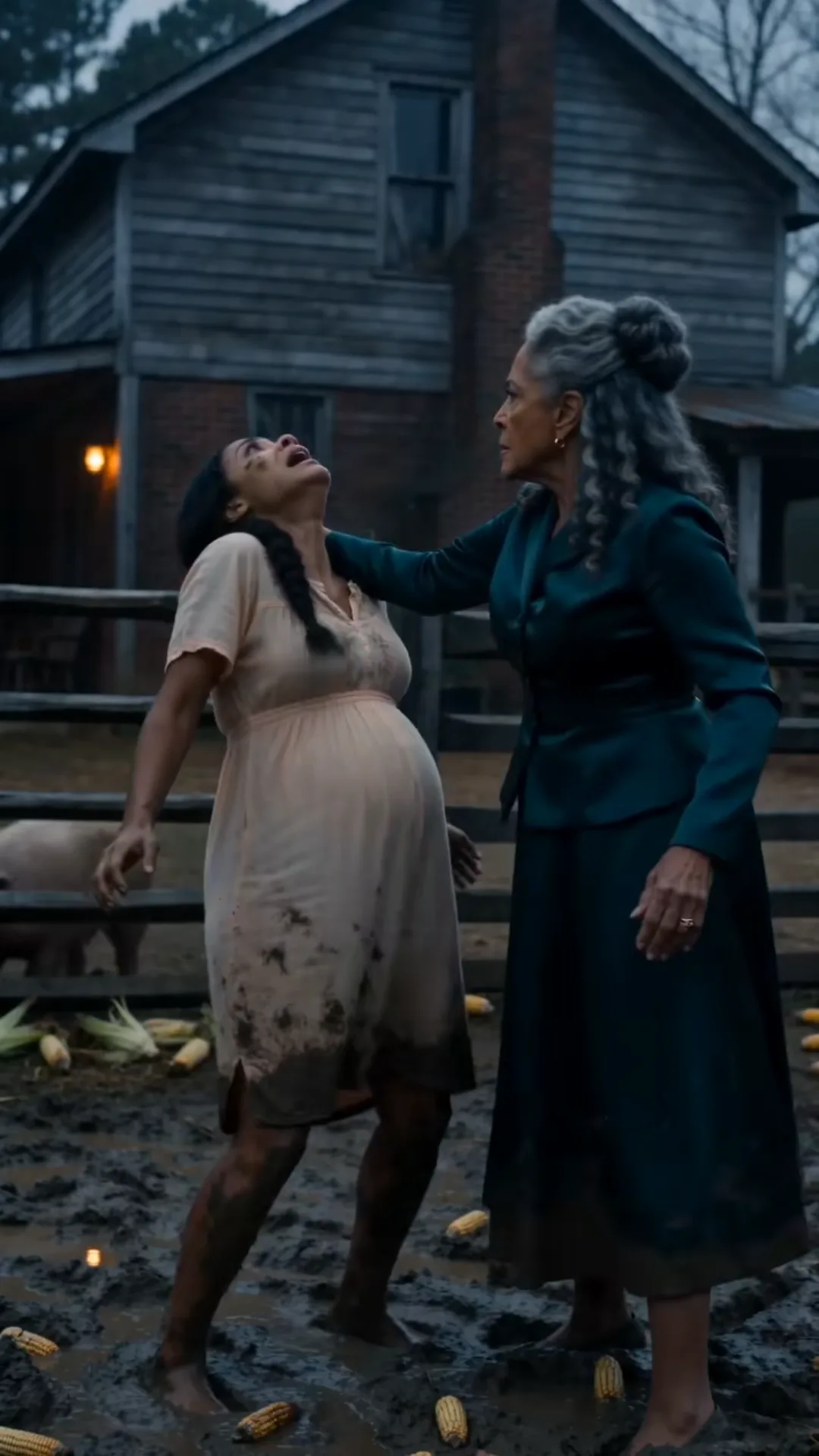
Dona Amélia's fingers found Isadora's shoulders like two hooks finding cloth.
She did not slap her. She did not need to. The grip itself was the sentence, and the sentence was: stop moving.
"Stop crying," she said. "Look at me."
Isadora looked at her.
It cost something to do it. You could see the cost in the way her eyelids fluttered, the way her jaw locked, the way her whole face seemed to brace the way a hand braces before touching something hot.
"Tell me the truth."
"I am—"
"Does he know where you are?"
The question came out flat and fast, like a stone skipped across water, meant to hit more than once before it sank.
Isadora shook her head. Not once. Many times, small and rapid, her chin knocking against nothing, her wet hair swinging against her cheeks.
"No. No, no, I haven't spoken to him. I blocked his number, I blocked everything, I swear—"
"Then why," Dona Amélia said, and here her voice did something new — it did not rise, it dropped, the way a hawk drops, "did he send me your photograph this morning?"
The pig pen went very quiet.
Even the pigs seemed to feel it, or perhaps it was only that Isadora's whole body had gone still enough to make the silence around her louder.
"That's not—" she started.
"I have it here." Dona Amélia did not reach for a phone. She did not need to. The words alone were the evidence, laid down like a hand of cards nobody had asked to see. "You, at the well. Two days ago. Your dress. Your hair exactly like that, in that braid you always ruin by lunchtime."
Isadora's mouth opened. Nothing came out of it at first.
"He couldn't have—" Her voice broke into pieces on the word have, and what came out after was barely words at all, just breath shaped into panic. "Nobody's been here. Nobody. I checked the road every morning, I checked—"
"Did you."
It wasn't a question. Dona Amélia's grip tightened, just slightly, at the shoulders, the way a person tightens their hand around something they're afraid of dropping and afraid of keeping, both at once.
"Then tell me how a man three hundred kilometers away has a photograph of you standing at my well, in my dress, on my land."
Isadora's knees buckled.
Not all the way — Dona Amélia's hands kept her upright, more roughly than gently, more out of reflex than mercy — but enough that for a moment the girl hung between standing and falling, suspended by two fists and nothing else.
"I don't know," she said. Small. Broken open. "I don't know, I don't know, senhora, I swear I don't—"
"Someone here is talking to him."
Dona Amélia said it the way a person names a disease they've already diagnosed. Certain. Tired of being right.
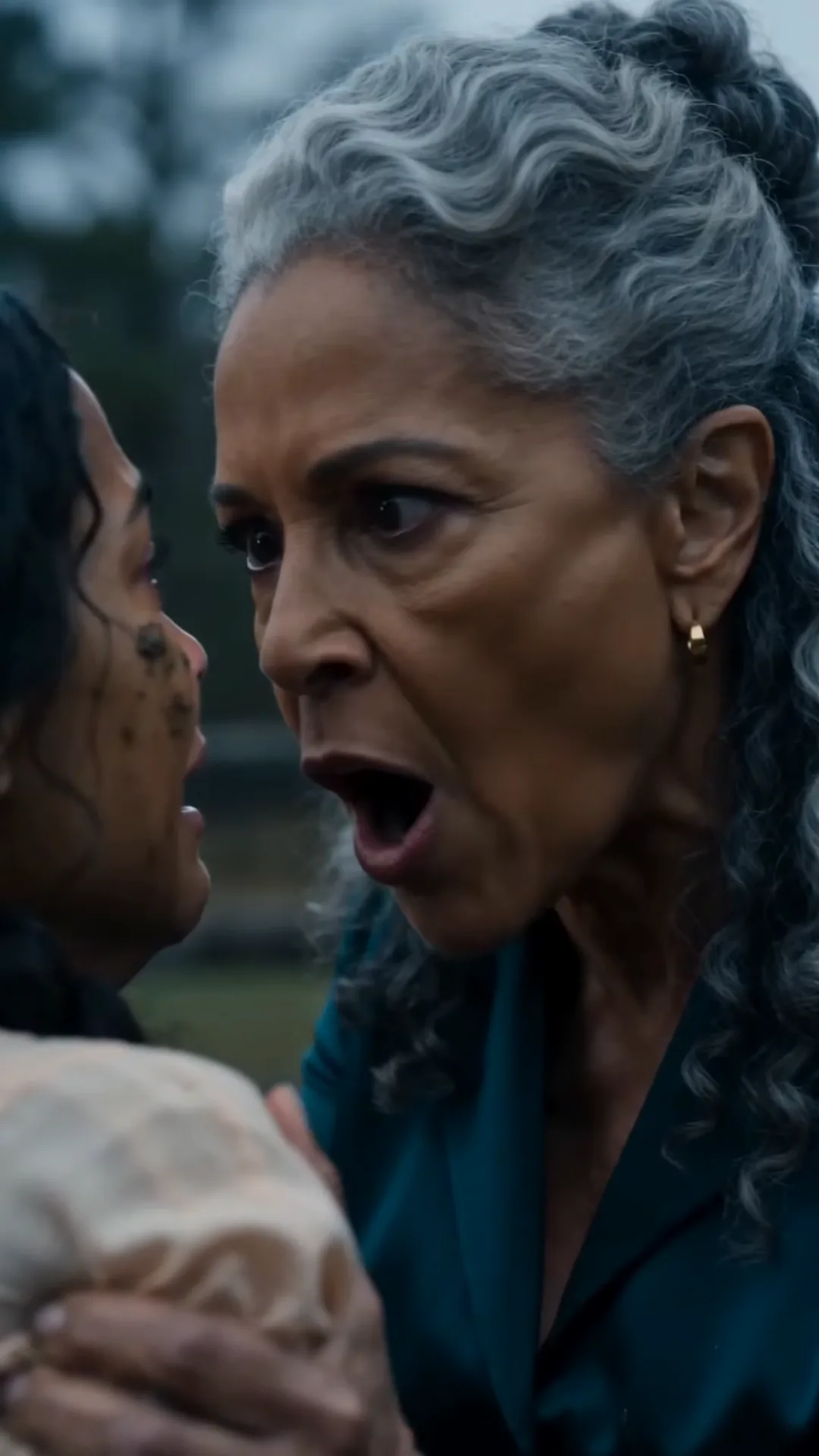
"Someone on this farm. In this house. And I need you," she leaned in, close enough that Isadora could see the tiny cracks in the red lipstick, the places where it had dried into the lines of her mouth like a map of everything she'd refused to say for years, "to tell me who."
"Maybe he followed the truck," Isadora said, grasping now, reaching for any shape that wasn't the one being offered to her. "Maybe someone at the market saw me, maybe—"
"Look at me and say his name."
Isadora flinched.
It was a small flinch, a flinch that lived only in the eyes, but Dona Amélia saw it, the way a person who has spent a lifetime reading weather sees the first grey cloud before anyone else notices the sky has changed.
"Rafael," Isadora whispered, and the name came out of her like something spat, or something swallowed wrong. "His name is Rafael."
For the first time since she'd grabbed the girl's wrist in the mud, Dona Amélia's face did something other than anger.
It went, for just a heartbeat, very old. Very tired. As if the name had cost her something it hadn't cost the girl.
"I know his name," she said quietly. "I have known his name longer than you've been alive."
Isadora blinked. Whatever she had braced for, it wasn't that.
"What?"
But Dona Amélia had already turned her head, just slightly, toward the sound rising somewhere far past the fence line. A low sound. A engine sound, growing, the way weather grows before you can name it as a storm.
"Later," she said.
Her grip on Isadora's shoulders did not loosen. If anything, it turned — not to punish now, but to position, the way you turn a person's body before delivering news they cannot be allowed to run from.
"Later, there will be time for the rest of it."
"Senhora—"
"Right now," Dona Amélia said, and something in her voice had gone from anger to something colder, something more like dread wearing anger's clothes, "you need to listen."
May you like



The engine sound was closer.
---