Chapter 6 - Seventeen Photographs
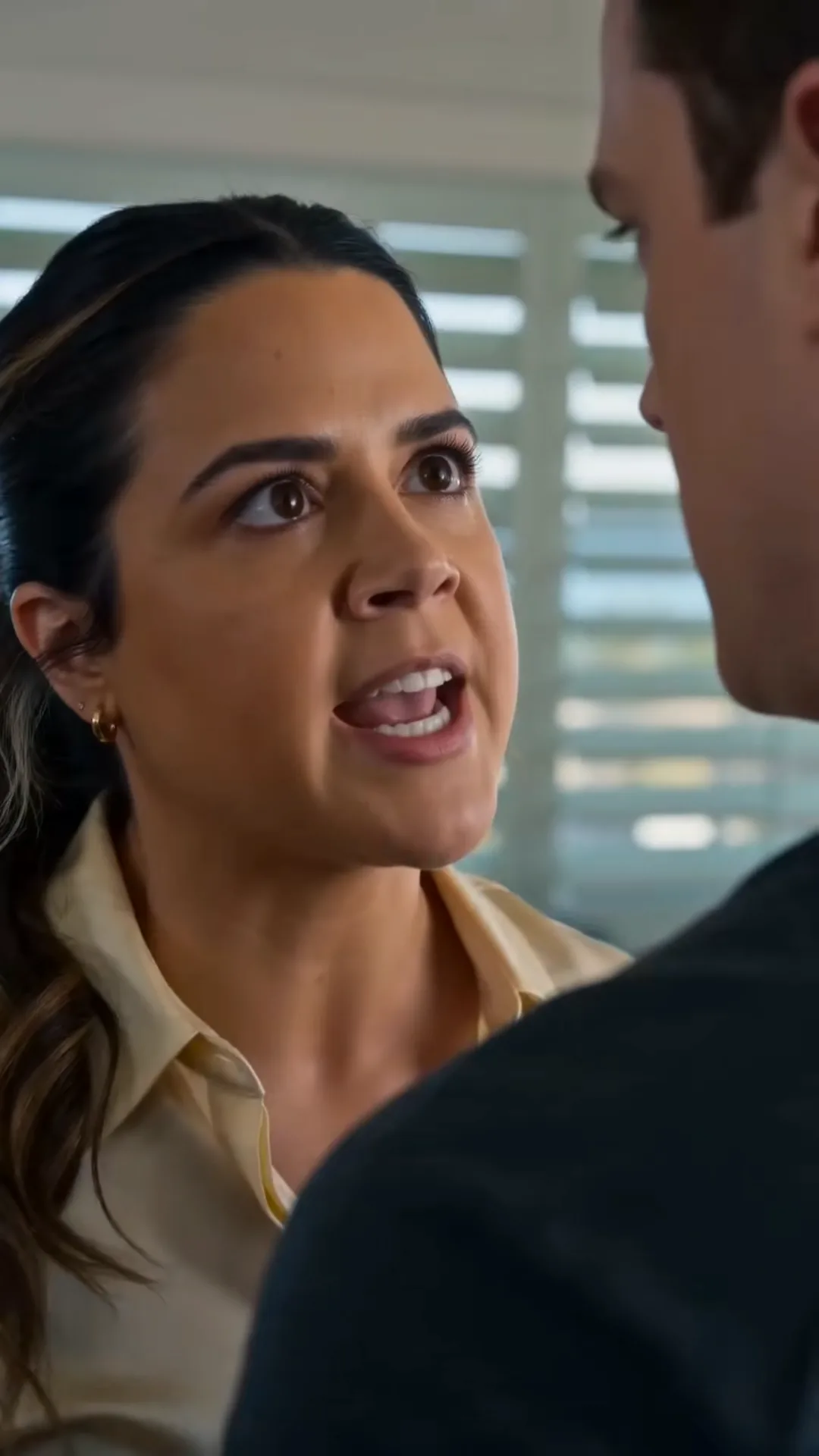
Sarah went back to the house on a Sunday, but not through the front door.
She parked two streets over, the way she used to as a teenager sneaking back after curfew, and walked the last stretch on foot, along the same cracked sidewalk her sneakers had worn thin twenty years earlier.
She didn't plan to be seen. Not yet.
She wanted, first, to see.
---
Mrs. Oduya had given her a piece of advice weeks earlier that Sarah kept turning over: If you want a court to believe a house, don't describe the house. Show them the house.
So Sarah brought a camera — an old one, nothing fancy, nothing that would look staged or professional if anyone ever asked where the images came from.
She photographed the mailbox first, from the sidewalk, ninety feet of driveway between it and the porch, an old woman's arthritic knees translated into distance, into inconvenience, into a small daily proof of isolation that a judge would understand instantly without a single word of explanation.
She photographed the garage through the side window — Eleanor's car, dust thick enough now to write a word in, battery cables disconnected and coiled neatly beside the front tire, "meaning to fix it" having apparently meant, for five months, doing the opposite of fixing it.
She photographed the new fence around the side yard, freshly painted, blocking the direct sightline that used to exist between Eleanor's kitchen window and the Hendersons' porch next door — the Hendersons, Sarah remembered, who used to wave to her mother every single morning over coffee, who Eleanor had mentioned, in a rare phone call eight months ago, she "didn't see as much anymore."
A fence built the isolation. Literally. In cedar and white paint.
---
She caught Eleanor alone on Tuesday, mid-afternoon, watering the single pot of geraniums still allowed to survive on the porch — everything else in the yard, Sarah noticed, had been quietly replaced with low-maintenance gravel and a few ornamental rocks, easier for Diane, Sarah assumed, than tending an old woman's actual garden.
"Mom."
Eleanor turned so fast the watering can slipped from her hand and hit the porch boards, water spreading in a dark stain across the wood.
For one long second neither of them moved.
Then Eleanor crossed the porch in three unsteady steps and folded her daughter into an embrace so fierce it nearly knocked them both off balance.
"You came back," Eleanor said, into Sarah's shoulder, her voice doing something between a laugh and a sob. "I wrote you a letter. I hadn't even mailed it yet."
"I didn't get a letter, Mom. I got a phone call. From Lily."
Eleanor pulled back, searching her daughter's face.
"She called you?"
"She called me weeks ago. Middle of the night. She told me about your arm."
Eleanor's hand rose, unconsciously, to cover the spot on her forearm — faded now, but Sarah had seen enough photographs of old bruise patterns during her family services years to know exactly what a healing grip mark looked like weeks later.
"It's not as bad as it sounds," Eleanor started, the old reflex, the whisper-training kicking in even now, even with her own daughter standing three feet away.
"Mom." Sarah took both her mother's hands, gently, the way you'd hold something you were afraid might shatter and afraid, just as much, might not be as fragile as it looked. "I need you to stop protecting her. I need you to tell me the truth. All of it. However bad it sounds."
Eleanor looked at her daughter for a long moment — really looked, the way Jimmy had almost looked at her over the missing pill bottle and then hadn't followed through on — and something in her spine, bent under three years of practiced smallness, straightened by perhaps half an inch.
"Come inside," she said. "Diane's at her sister's until six. We have time."
---
They sat at the kitchen table, and Eleanor talked for two hours.
She talked about the mailbox, moved a year ago, "for the mail carrier's convenience."
About the dead car battery. About the fence. About the Hendersons she used to wave to every morning, whom she now watched, sometimes, through the kitchen window, unable to remember the last real conversation they'd had.
About the deed. She hadn't understood, she admitted, tears finally arriving, late but honest, exactly what she was signing that day the notary came to the house — a woman she'd never met before or since, who spoke only to Diane during the whole appointment, addressing Eleanor directly just once, to point at a line and say, sign here, dear.
About the amber pill bottle now kept on a high shelf in an office she wasn't invited into.
About the dinner table. About 6:22. About being told, so gently, so many times, that her own feelings weren't quite what she thought they were.
Sarah wrote almost none of it down while her mother spoke — some things, she understood, needed to be heard first as a daughter, and recorded only after, as something else.
But when Eleanor finally went quiet, spent, her hands wrapped around a cup of tea gone cold an hour ago, Sarah reached for her phone.
"I need you to do one more thing," she said. "I need you to let me take some photographs. Of you. Just your arm, where the mark was. It's mostly faded, but faded still shows on camera sometimes, and even without the mark — I need a record of today. Of this conversation. Not to hurt you. To protect you."
Eleanor looked down at her own forearm, unremarkable now to anyone who didn't know what to look for.
"Will it help?"
"It might be one piece of something bigger. I don't know yet how big. But I've been building it for weeks, Mom. Bank records. Property records. A letter from Mrs. Alvarez at the card shop, practically. And now this. Now you."
Eleanor held out her arm without another word.
Sarah took seventeen photographs that afternoon — the faded mark from four different angles and lights, the mailbox from the porch, the dead car through the garage window, the new fence, the empty spot on the kitchen counter where a pill bottle used to sit, the notary's signature line on a deed transfer Priya had pulled from public records, laid flat on the kitchen table beside Eleanor's actual, current signature for comparison.
Seventeen photographs.
Not a courtroom's worth, not yet. Priya would need more. Testimony, corroboration, maybe a forensic accountant eventually to trace exactly where the withdrawn funds had gone.
But seventeen photographs of the truth, taken by daylight, in the kitchen where Eleanor had once made Sunday pancakes and hummed off-key while braiding a little girl's hair.
It was, Sarah thought, driving back to the motel with the camera's memory card zipped carefully into an inside jacket pocket, the first time in three years that this house had told her something honest.
May you like



She didn't yet know that the honesty would only get more dangerous before it got safer — that somewhere in the calendar ahead of her sat a Tuesday afternoon that would turn every quiet piece of paper she'd gathered into something far louder, far more physical, and far more frightening than any document could ever be.
---







