Chapter 7 - Birchwood Lane, Tuesday, 4:47 PM
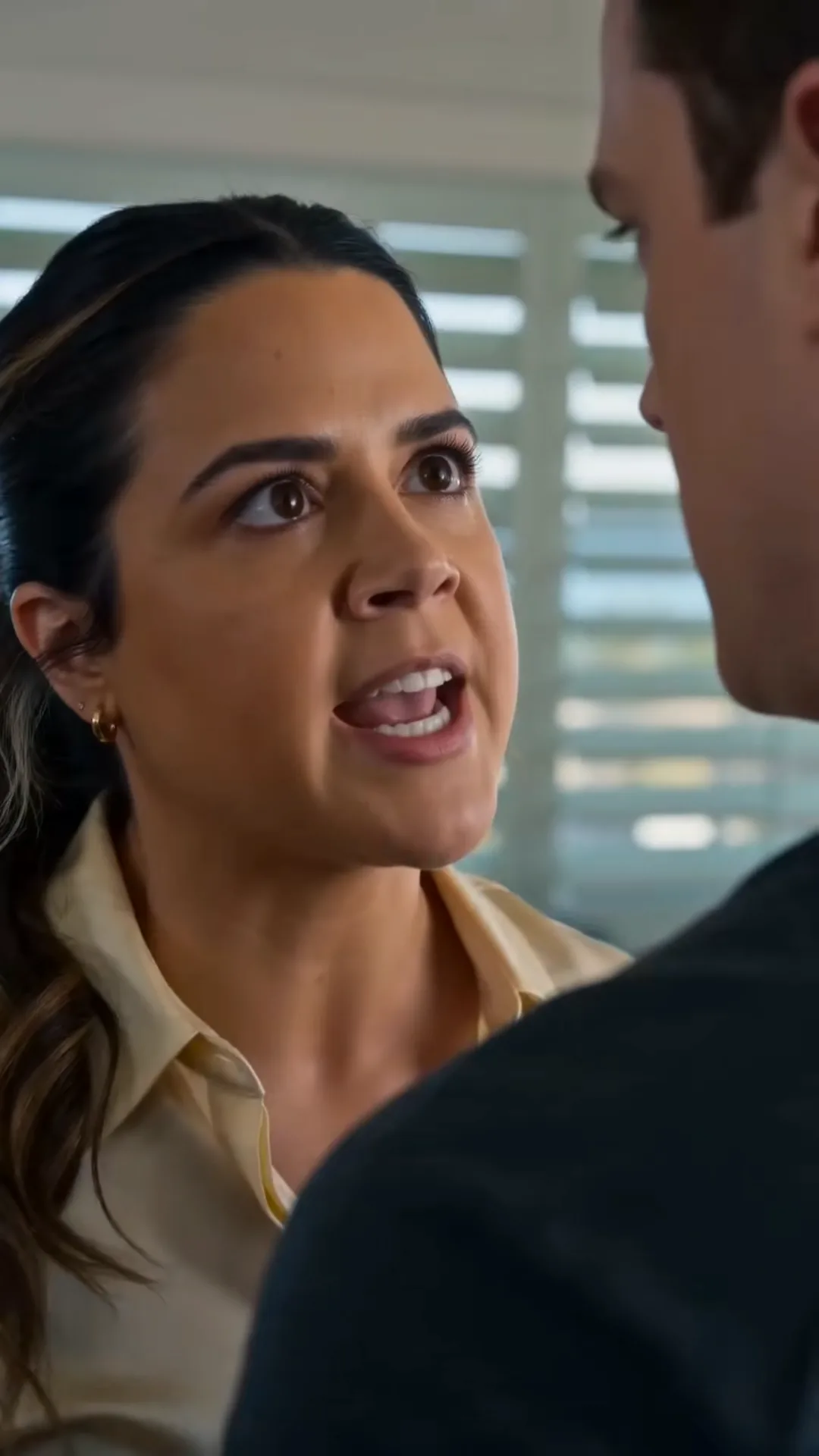
Some days announce themselves as ordinary and turn out to be anything but.
That Tuesday started with rain that never quite committed to falling — a grey sky holding its breath over Birchwood Lane, the air thick with the smell of wet asphalt and cut grass from the Hendersons' lawn next door, mowed that morning by a service, since the Hendersons themselves no longer came outside as often as they used to.
Sarah had spent the previous three days finishing what Priya called "the paper skeleton" — every document copied, every photograph backed up in two places, a timeline typed out in careful, dated order that read, when she finally printed it, less like a family history and more like a case file.
She hadn't planned to go back to the house that day.
She'd planned one more week of quiet work — a call to the state's Adult Protective Services hotline, a formal report, the slow bureaucratic machinery that exists, in theory, to catch exactly this kind of harm before it becomes something worse.
Then Lily called.
---
"Mommy." Not a whisper this time. A sob, already mid-flight, breathless. "Mommy, you have to come, Grandma's on the floor, Aunt Diane's pulling her hair, it's really bad, it's really really bad—"
Sarah was already moving before the sentence finished — car keys in one hand, phone pressed to her ear with her shoulder, jacket half on.
"Where are you? Are you safe?"
"I'm in the hallway. I can see through the door crack. Uncle Jimmy's just standing there, Mommy, he's just standing there and not doing anything—"
Not doing anything.
The same phrase. Always the same phrase. Three years of not doing anything, and this time it wasn't a metaphor for a passive marriage — it was a man standing six feet from his own mother being physically assaulted on the floor of their family living room, choosing, in real time, to remain still.
"Lily, listen to me. Hide where you are. Do not go in that room. I am four minutes away. Do you hear me? Four minutes."
"Okay." A hitched breath. "Okay, Mommy. I'm hiding."
"Call 911 after you hang up with me. Can you do that? Tell them the address. Tell them it's an emergency."
"I remember the address. I know it by heart."
Of course she did. She'd spent enough weekends in that house to know its address the way she knew her own name — a fact that broke something small and additional in Sarah's chest even as her car peeled out of the motel parking lot and onto the road toward Birchwood Lane.
---
Four minutes felt, and did not feel, like a very long time.
Sarah ran every red light between the motel and the house that Tuesday — not recklessly, exactly, but with the specific controlled urgency of someone who has done triage before, who knows the difference between the kind of hurry that gets people killed and the kind that saves them, and is threading, at seventy miles an hour, the narrow lane between the two.
She thought, in fragmented pieces, about everything she'd gathered in six weeks — the deed, the beneficiary form, the seventeen photographs, the notary's signature two counties from anywhere Eleanor would have gone alone.
None of it, in this moment, mattered even slightly.
None of it would matter until her mother was safe on the floor of that living room, until Lily was out from behind whatever door she was hiding behind, until this — the actual, physical, right-now danger — was over.
The paperwork had been about proving a pattern.
This was about a body on a floor.
---
She turned onto Birchwood Lane at 4:44 p.m.
The street looked exactly as it always had — the same maple trees, now taller, the same slight curve where the road bent around old Mr. Petrakis's yard, the same porch lights beginning to flicker on early against the gray afternoon.
The house itself, when it came into view, looked deceptively unchanged too. Beige siding. White trim. A wreath still hanging on the door from some holiday months past that nobody had bothered to take down — a small, absurd detail that would stick, oddly, in Sarah's memory long after everything else about that afternoon blurred into something closer to instinct than recollection.
She parked crooked, half on the curb, and was out of the car before the engine had fully stopped rattling.
Through the front window, in the gray afternoon light, she could see movement inside — fast, low, wrong movement, the specific silhouette of struggle that a body recognizes as danger a full half-second before the mind catches up and names it.
She didn't knock.
Three years since she'd touched that door handle, and her hand found it exactly where memory told her it would be, unlocked, because who would think to lock a door in the two minutes it takes to become the kind of house this one had quietly, patiently become.
The door swung open.
And there, in the middle of the living room her mother used to fill with rosewater and Sunday humming, Sarah saw, in the same instant, three things that would stay lodged behind her eyes for the rest of her life.
Her mother, on the floor.
A woman in a dark purple dress, standing over her, fist closed in gray hair.
And her brother, six feet away, not doing anything at all.
The clock on the mantel — the same clock that had ticked through every Sunday pancake breakfast of Sarah's childhood — read 4:47 p.m.
Later, giving her account to a police officer with a steady hand and a notepad, Sarah would not be able to describe what she felt in that exact second.
Not rage, exactly, though rage was in there somewhere, buried under something faster and older.
Something closer to the sensation of a held breath, three years long, finally, finally letting go.
She stepped through the door.
May you like



She did not close it behind her.
---







