Chapter 6 - Headlights
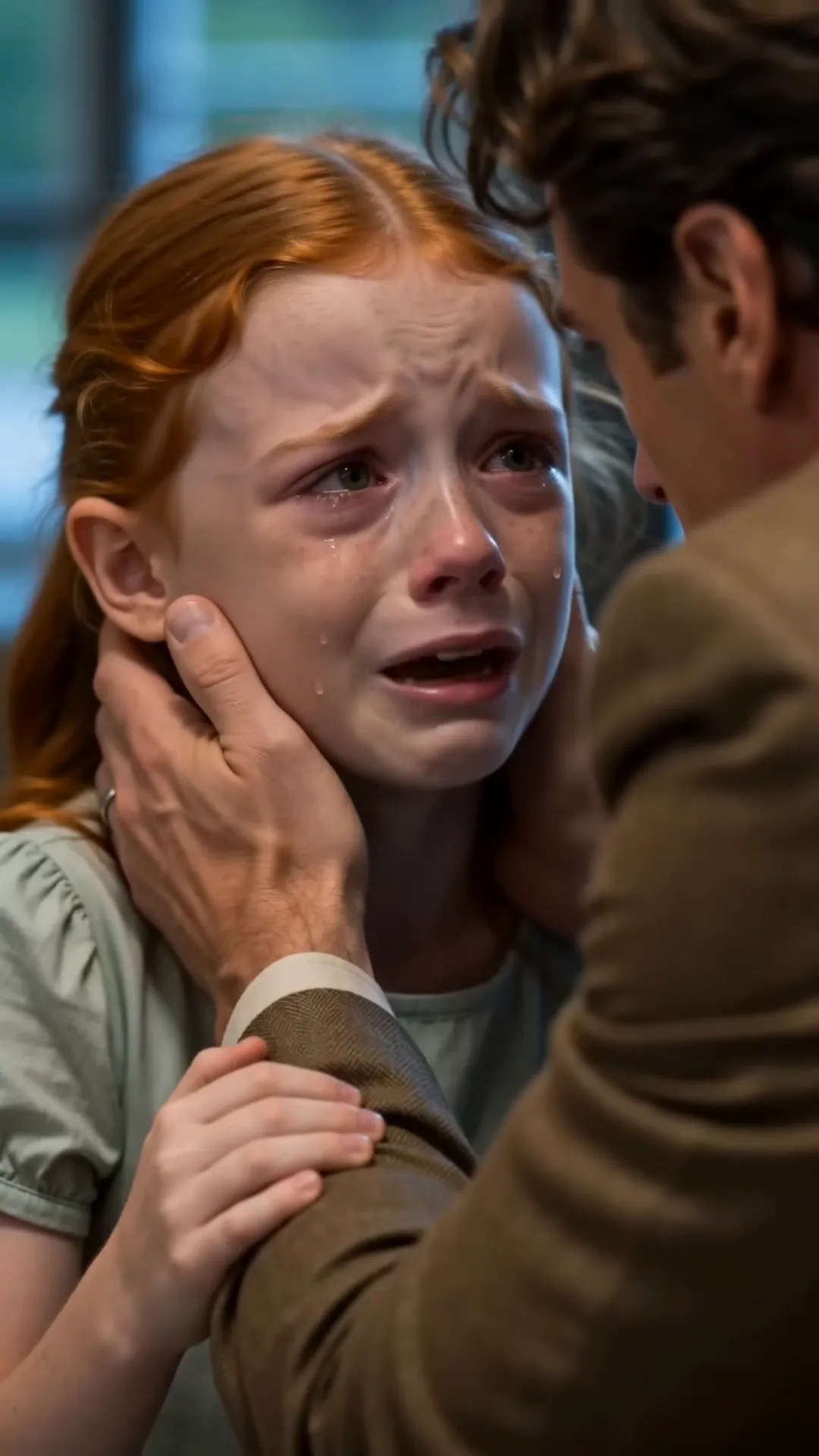
Three hours earlier, in the Frankfurt airport, a small blue screen had flipped from ON TIME to CANCELLED with the soft, indifferent chime airports use for both minor inconveniences and genuine catastrophes alike, making no distinction between the two.
Daniel — because he did, in fact, have a name beyond the father, beyond the man in the blue suit — stood beneath that screen for almost a full minute without moving.
He had two choices, the airline agent told him. Rebook for the following morning, hotel voucher included, standard procedure. Or attempt a longer, more circuitous route home tonight: a different city, a tighter connection, no guarantee of arrival before well past midnight.
He should have taken the voucher.
Every rational calculation favored the voucher — sleep, an early flight, arrival home rested and on schedule, the trip technically still counted as "short" the way he'd promised his wife it would be.
He took the longer route instead.
He could not, afterward, fully explain why. He told himself, standing at the gate for the connecting flight, that it was simply eagerness to see his children, ordinary homesickness, nothing more mysterious than that.
But there had been, underneath the ordinary homesickness, something else — a low, persistent unease that had been building in him for weeks without his ever quite naming it. A phone call with Emily that had lasted forty seconds and consisted entirely of the word good, said in a voice flatter than a seven-year-old's voice should be capable of. A video call with his wife where her eyes had not quite focused on the camera the entire time, drifting instead to some middle distance just past his face on the screen. A silence on the family group chat that had grown, month over month, from occasional to constant.
None of it, individually, was proof of anything.
All of it together had started to feel, to some old animal part of him he rarely consulted, like a smoke detector with a very low, very persistent battery chirp — not loud enough to be an alarm, but present enough that eventually, if ignored long enough, it becomes impossible to fully relax in the house it's chirping in.
He had also, if he was being completely honest with himself somewhere in the dead hours of that layover, been carrying something in the black leather bag that made him want, badly, to be standing in front of his wife rather than talking to her through a screen when the conversation about it finally happened.
The papers inside the bag were from a relocation firm.
A job offer, extraordinary on paper, based permanently in the too-many-consonants city he could still barely pronounce — the one he'd called from twice already this trip, the one that would mean, if he accepted it, an end to this exact kind of travel forever, no more three-week absences, no more voice on the phone saying how's my girl from six time zones away.
It would also mean asking his entire family to leave the only house Emily and Theo had ever known.
He had not yet told his wife the offer existed. He had been carrying it for eleven days, rehearsing conversations in hotel rooms, trying to find the version of the sentence that made it sound like the gift he believed it to be rather than the upheaval he suspected she would hear instead.
He landed at the domestic airport a little after four in the afternoon.
The drive home took fifty extra minutes because of construction on the highway, fifty minutes during which the low, persistent unease climbed, without any specific new information to justify the climb, from background chirp to something closer to a held breath.
He did not call ahead.
He told himself later this had been an accident, simple oversight, phone left in his jacket pocket during the drive — but some part of him, the same part that had chosen the longer flight over the voucher, had perhaps also chosen not to call, because some part of him had wanted, this once, to arrive and see the house exactly as it actually was, rather than exactly as it would be arranged to look for him with twenty minutes' warning.
He pulled into the long gravel drive as the light was beginning to go gold and low.
He noticed the crutches first — small, silver, abandoned near the ornamental pond, twenty feet from where any reasonable adult would expect a child's crutches to be left — and something in his stomach went cold and sharp before his conscious mind had even finished processing what he was looking at.
He got out of the car too fast, left the door open, left his suit jacket on the passenger seat, and crossed the gravel at something between a walk and a run, the black bag still gripped in his hand out of pure habit, because a man who has traveled for work for fifteen years does not easily let go of his bag even in the middle of an emerging crisis.
He heard the crying before he reached the front door.
Two voices tangled together — one high and continuous, a toddler mid-meltdown, and beneath it something quieter, more controlled, a sound he would later understand had been his daughter's breathing, deliberately steadied, deliberately paced, the sound of a seven-year-old doing everything in her power not to fall apart in front of her little brother.
He pushed the heavy glass door open.
May you like



And there, in the hallway that photographed so beautifully for the real estate listing they'd never actually needed, in the light that turned white marble into something like a shallow, glowing river, he found the sum of every silence he had spent the last several months choosing not to add up.
---







