Chapter 10 - The Coat Room, Finally Found
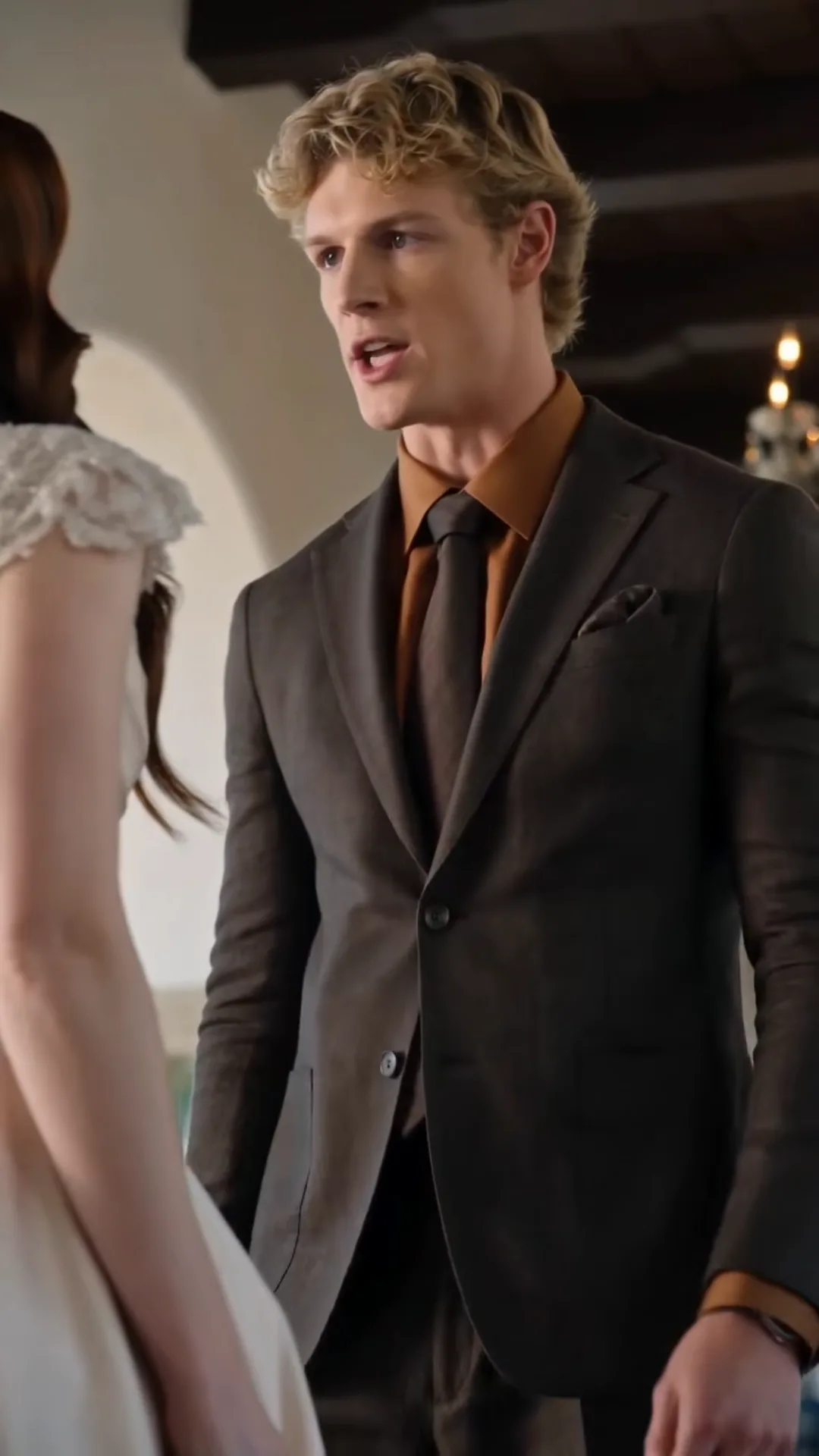
Three months later, the house looked different.
Not in any way a stranger driving past the gates would have noticed — the same pale stone façade, the same manicured hedges, the same wide circular drive where the wedding cars had once idled in a long, glittering line. But inside, something in the air had shifted, the way a room changes once the person who made it tense has finally, permanently, left it.
Héctor had moved to an apartment across the city — a smaller one, considerably smaller than the life he'd grown used to, the annulment proceedings having stripped away most of the comfortable arrangements he'd never quite earned on his own. He visited on Sundays now, awkward and trying, bringing small gifts that were sometimes the right size and sometimes not, a father slowly, imperfectly, learning to be one.
Isabela had not been seen or heard from since the night of the wedding, beyond a flurry of lawyers' letters that Damián's own legal team had answered without much difficulty. The story of what had happened at the Alcántara wedding had, as such stories do, taken on a life of its own around the city's dinner tables, growing more dramatic with each retelling, though the essential facts — a slapped child, a fallen bride, a maid's quiet bow revealing a hidden hierarchy — remained, at their core, exactly as damning as they had actually been.
Mateo's cheek had healed within a couple of weeks, the bruise fading through its ugly spectrum of colors before disappearing entirely, though Rosa still sometimes caught him touching that spot on his face absently, during quiet moments, as though checking that it was really gone.
He had, at last, found the coat room.
It happened on an ordinary Tuesday afternoon, sunlight slanting gold and unremarkable through the tall windows, nothing like the dramatic chandelier light of that night three months earlier. Damián had been giving him a tour of the parts of the house Mateo had never properly explored — not out of ceremony, but simply because a boy who had spent two years mapping only pillars and kitchen doorways deserved, finally, to know every room he was allowed to walk into.
"This is it," Damián said, pushing open a door off the main hallway to reveal a long, narrow room lined with coats and umbrellas, smelling faintly of cedar and old rain. "The famous coat room."
Mateo stepped inside, looking around at the ordinary, unremarkable space that had once loomed so large in his memory — a room he'd been ordered to hide in, a room he hadn't even known how to find.
"It's just a coat room," he said, sounding almost disappointed.
"Most things people threaten you with turn out to be smaller than they seemed," Damián said, leaning against the doorframe, watching the boy explore the space with open curiosity now instead of dread. "That's usually true of people, too."
Mateo ran his hand along the row of coats, some old and unfamiliar, others new — his own small jacket now hanging near the end, no longer a hand-me-down, purchased new and properly fitted, a small, deliberate correction among the many Damián had been quietly making over the past three months.
"Rosa said we could get a dog," Mateo said, apropos of nothing, in the way children pivot suddenly between subjects. "If it's okay with you."
"Rosa runs this house more than I do," Damián said, smiling — a real smile now, easier than the tight, controlled expressions of that first terrible night. "If Rosa said yes, then yes."
"A big one," Mateo added. "Like a guard dog."
Something in Damián's chest tightened gently at that, understanding the shape of the request beneath the request — a boy who had spent two years learning to make himself small now wanting, finally, something large and loyal standing between himself and the world.
"We'll get you the biggest dog Rosa will allow in her kitchen," Damián said. "Which, knowing her, will still probably be enormous."
Mateo laughed — an actual laugh, unguarded, the kind Rosa had once told Damián, in a quiet conversation over coffee weeks earlier, she hadn't heard from the boy in longer than either of them wanted to admit.
They walked back out into the main hallway together, and Rosa, passing by with a stack of folded linens, paused to watch them for a moment — the tall, once-cold man who had walked into that ballroom in an all-black suit three months earlier, now crouching slightly to hear better whatever elaborate plan Mateo was outlining for the theoretical enormous dog, his careful, guarded expression from that first night entirely dissolved into something warmer, something that looked, increasingly, like the beginning of an actual family.
She thought back, sometimes, to that night — to the gold light and the shattered tray of empanadas, to the sound a hand makes against a child's face in a room too loud to notice, to the particular, terrible silence before anyone had moved to help.
She thought, too, about the drawer Isabela had once kept, filled with grievances and grudges, waiting for a moment to unleash them — and how a house like this one had turned out to have drawers of its own, quieter and much older, filled with legal papers and inheritance documents and a guardianship agreement signed two years earlier by a mother who, even as she was dying, had made sure her son would have someone in his corner when the time finally came.
Later, it turned out, hadn't been a threat after all.
It had simply been a promise, waiting the right amount of time to arrive.
May you like



Rosa smiled to herself, gathered her linens, and continued down the hallway, listening to the boy's laughter carry after her, bright and unguarded, filling a house that had finally, after everything, learned how to hold something gentle inside its gold and marble walls.
THE END







