Chapter 3 - The Sound Nobody Saw Coming
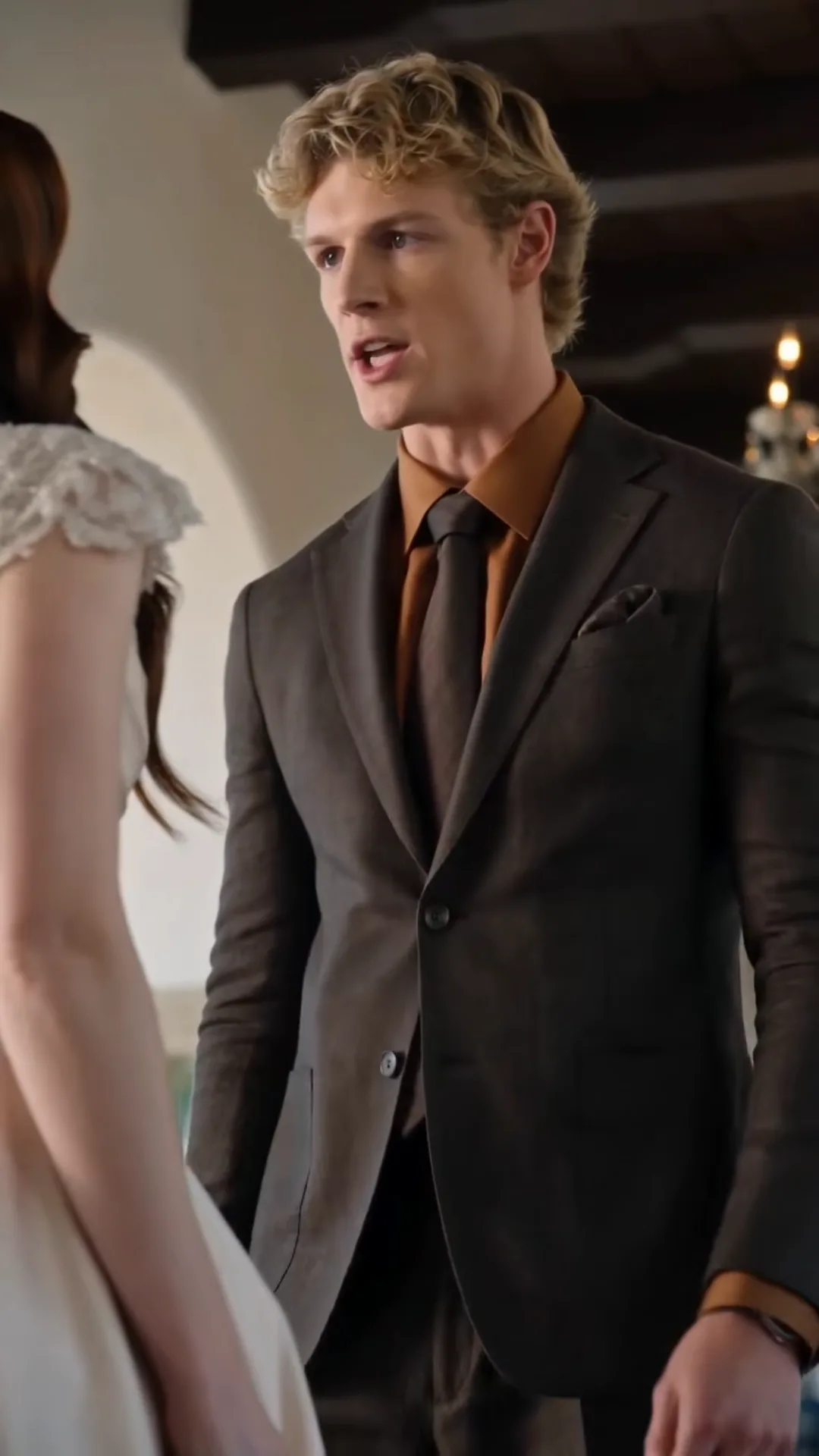
Later, when people tried to reconstruct exactly what happened, they would disagree on the details.
Some said the bride had simply raised her voice. Some said there had been a scuffle, that the boy had grabbed at her dress and torn the lace. Some said nothing at all had happened, that it had all been theater, a trick of the light and too much champagne.
None of them had been standing close enough to hear the sound the room's noise had swallowed whole — not a shout exactly, more of a hiss, low and venomous, close to the boy's ear.
"*Muchoso asqueroso,*" Isabela said, and her voice had shed every trace of pleasantness now, gone raw and ugly in a way that didn't match the pearls at her throat. "*¿Quién te dejó estar aquí?*"
Filthy brat. Who let you stay here?
Mateo looked up at her, and for the first time all night, he didn't flinch away fast enough.
Her hand moved before he understood what was happening.
The sound of it — palm against cheek, sharp, flat, final — cut through the ballroom's noise for exactly as long as it took to happen and not one second longer. The orchestra didn't stop. The laughter two tables over didn't pause. In a room built for grandeur, a small violence made almost no sound at all.
But Mateo felt it everywhere.
His head snapped sideways. His vision went white at the edges, then filled slowly back in with gold light and blurred faces. His hand came up to his cheek on its own, without him deciding to move it, fingers pressing against skin that was already starting to burn, already starting to swell into something red and raised beneath his palm.
He didn't cry out.
That was the strange thing, the thing that would haunt Rosa later when she replayed it in her mind — he didn't scream, didn't call for help, didn't do any of the loud things a hurt child does in movies. He just stood there, hand pressed to his face, mouth open in a small, silent O of shock, tears rising and spilling before he could stop them.
Isabela looked down at him, chest rising and falling, some private fury still burning behind her eyes, unspent even after the slap.
"Now," she said, quieter, almost calm again, as though the violence had settled something in her, "go find the coat room."
Mateo's knees buckled.
He didn't fall — he caught himself against the pillar, one small hand splayed flat against the cold marble, the other still pressed to his cheek — but his legs had simply stopped agreeing to hold him up, and he slid down until he was crouched against the base of the pillar, shoulders shaking, sobs finally breaking loose in short, hitching gasps.
"Mamá," he choked out, though there was no mother in this house who answered to that name for him, hadn't been for two years, and the word came out anyway, reflexive, aimed at no one, "*me duele.*"
It hurts.
Nearby, a waiter froze mid-step, tray tilting dangerously in his hands. An older guest glanced over, frowned, looked away again, the particular look of someone deciding, in real time, that this was not their business.
Isabela smoothed the front of her dress, checked her pearl earring was still seated correctly, and walked away without a backward glance, back toward the dance floor, back toward the golden light and the orchestra and the version of tonight where she was radiant and untouchable.
Mateo stayed on the floor by the pillar, hand pressed to a cheek blooming an angry red beneath his fingers, crying in the particular silent, folded-in way of a child who has learned that loud crying invites more of what caused it in the first place.
He didn't see the woman running toward him until her arms were already around him.
He didn't see, either, in the chaos of that moment, the man in the black suit who had gone very, very still near the grand staircase, one hand tightening slowly into a fist at his side, his eyes locked not on the bride, but on the small crumpled shape of a boy against a marble pillar sixty feet away.
Nobody in that ballroom yet understood what they had just witnessed.
Nobody understood that gold rooms have a way of remembering cruelty even when the guests choose not to.
May you like



And nobody — least of all Isabela, smiling again now, accepting another toast, another round of applause — understood that the drawer she had just filled marked later had, in fact, just run entirely, irreversibly out of time.
---







