Chapter 7 - The Shove
Isabela's hands were shaking.
She noticed it distantly, the way she noticed most things in the last thirty seconds before the room had turned entirely against her — a strange, floating detachment, as if she were watching this happen to someone else, some other bride in some other ruined wedding.
"This is a mistake," she said, to no one in particular now, to the crowd, to the chandeliers, to the marble floor that suddenly felt less solid beneath her heels than it had an hour ago. "All of you are going to feel very foolish tomorrow when—"
"When what," Damián said. "When it turns out you didn't slap a child in front of a hundred and forty witnesses? Several of whom, I imagine, are recording this on their phones right now."
A guest near the back, caught in the act of doing exactly that, lowered his phone guiltily but did not stop recording.
Isabela's eyes darted around the room, searching for an ally, a friendly face, anyone who might step in and rescue the version of tonight she had spent eight months planning. She found none. The guests who met her eyes at all looked away quickly, faces arranged in expressions of distaste, of pity, of the particular embarrassment people feel when they realize they've been complicit in something ugly simply by staying quiet.
"He provoked me," she said finally, a last, desperate reach. "He said something disrespectful, he—"
"He's seven," Damián said again, and something in his voice this time had gone past cold into something almost unbearably tired. "There is no sentence a seven-year-old can say that earns him a slap hard enough to bruise."
He took a step closer to her, and despite everything — despite the crowd, despite the cameras, despite every instinct she'd honed over a lifetime of talking her way out of consequences — Isabela found herself stepping backward, some animal part of her recognizing, finally, that she was standing too close to something dangerous.
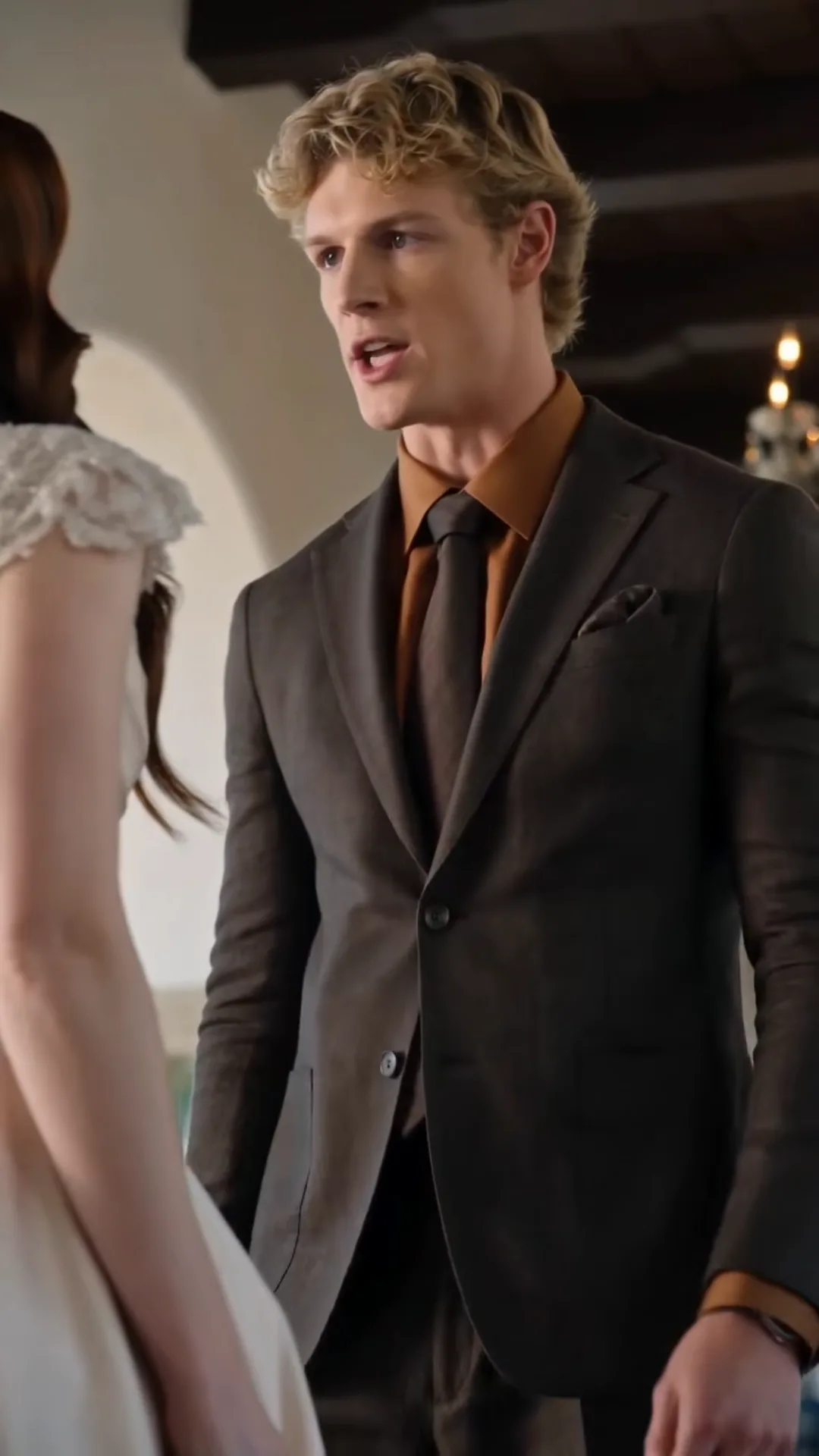
"You're going to leave this house tonight," Damián said, quiet enough now that only she and the closest ring of guests could hear it. "You're going to leave with whatever you can carry, and you are never going to come within a hundred meters of that boy again. Do you understand me?"
"You can't—"
"I can," he said. "I have the guardianship papers, the deed, the accounts, and about a hundred and forty witnesses to why. There is nothing left for you to threaten me with."
Something in Isabela finally broke.
It wasn't a graceful unraveling — there was no elegant collapse, no single, cinematic tear sliding down a perfectly powdered cheek. It was uglier than that, more human — her face crumpling, a sound tearing out of her that was half sob, half furious shout, and her hand shot out, not toward Mateo this time, but toward Damián himself, nails aiming for his face in a last, blind lash of rage.
He caught her wrist before it landed.
The movement wasn't violent. It was almost bored, the easy, practiced block of a man who had spent years learning exactly how much force was needed and no more. But something about the containment of it — the total absence of effort — seemed to enrage Isabela further, and she wrenched against his grip, twisting, off-balance in her heels on the polished marble.
"Let go of me," she snarled.
He did.
He released her wrist at exactly the moment her own momentum had her leaning backward, off-balance, arms windmilling for purchase that wasn't there — and whether what happened next was a shove, as some guests would swear later, or simply the natural collapse of a woman who had lost her footing entirely on her own, would remain, for years afterward, a point of fierce disagreement among everyone who claimed to have witnessed it.
What was not in dispute was the sound.
Isabela hit the marble floor with a sharp, wet crack of knee and palm, her wedding dress pooling around her in a white spill against the dark stone, one pearl earring skittering loose and rolling several feet away into the shadow beneath a table.
The ballroom fell utterly silent.
Even the last murmuring undercurrent of the crowd died away, leaving only the sound of Isabela's ragged breathing and, somewhere far off, the soft closing chime of the orchestra's abandoned final note.
She lay there for a moment, stunned, palms flat against cold marble, her carefully arranged updo coming loose in dark strands around her face.
Then, slowly, she looked up.
From where she knelt, everything looked different — the chandelier's gold light seemed harsher now, less forgiving, throwing long shadows across the faces of guests who had, only an hour ago, been raising glasses in her honor. Above her, Damián stood with his hands loose at his sides, his expression unreadable, watching her without a trace of triumph, only a flat, exhausted certainty that this — all of this — had been necessary and inevitable from the moment his car had pulled up outside.
And past him, past the ring of shocked guests, past the abandoned wedding cake still standing untouched on its stand, Isabela saw Rosa.
The old housekeeper stood with Mateo still cradled against her shoulder, the boy's face turned now, watching, his bruised cheek visible in the chandelier light, his eyes wide and dry now, the tears having finally, finally stopped.
And Rosa — quiet, steady, unshakeable Rosa, who had spent two years being invisible in this house, who had swallowed every insult Isabela had ever thrown at her with nothing but a tightened jaw — looked down at the fallen bride with an expression that held no cruelty in it, only a vast, settled relief.
Isabela opened her mouth, though she didn't yet know what she meant to say, whether it would be an apology or a threat or simply a wordless sound of shock.
She never got the chance to find out.
Because in that moment, Rosa did something that would be discussed at dinner tables across the city for months afterward, something that would turn the whole ugly evening, in the retelling, from a scandal into something closer to a fable.
May you like



She bowed.
---







