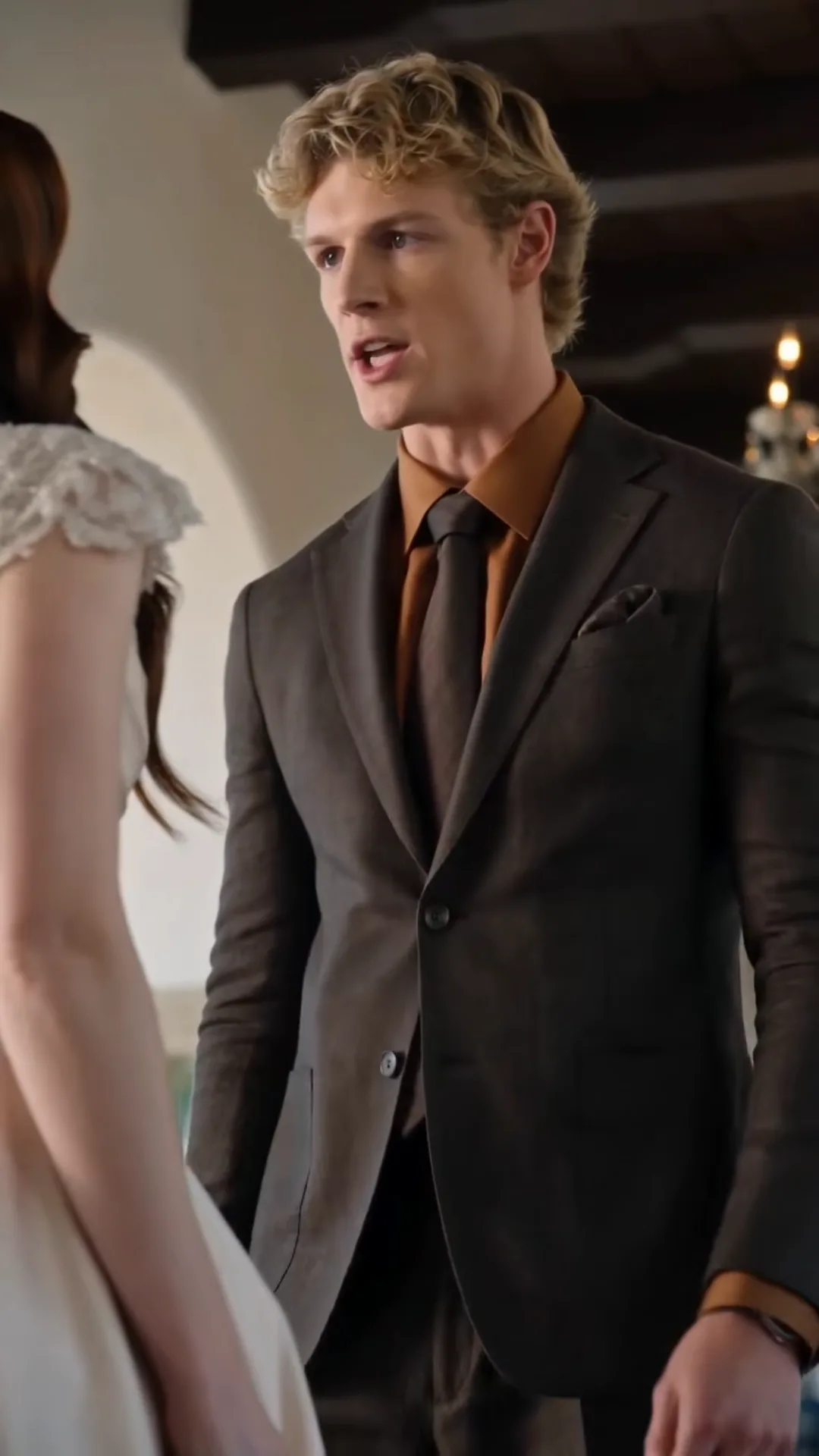
Chapter 2 - The Drawer Marked Later
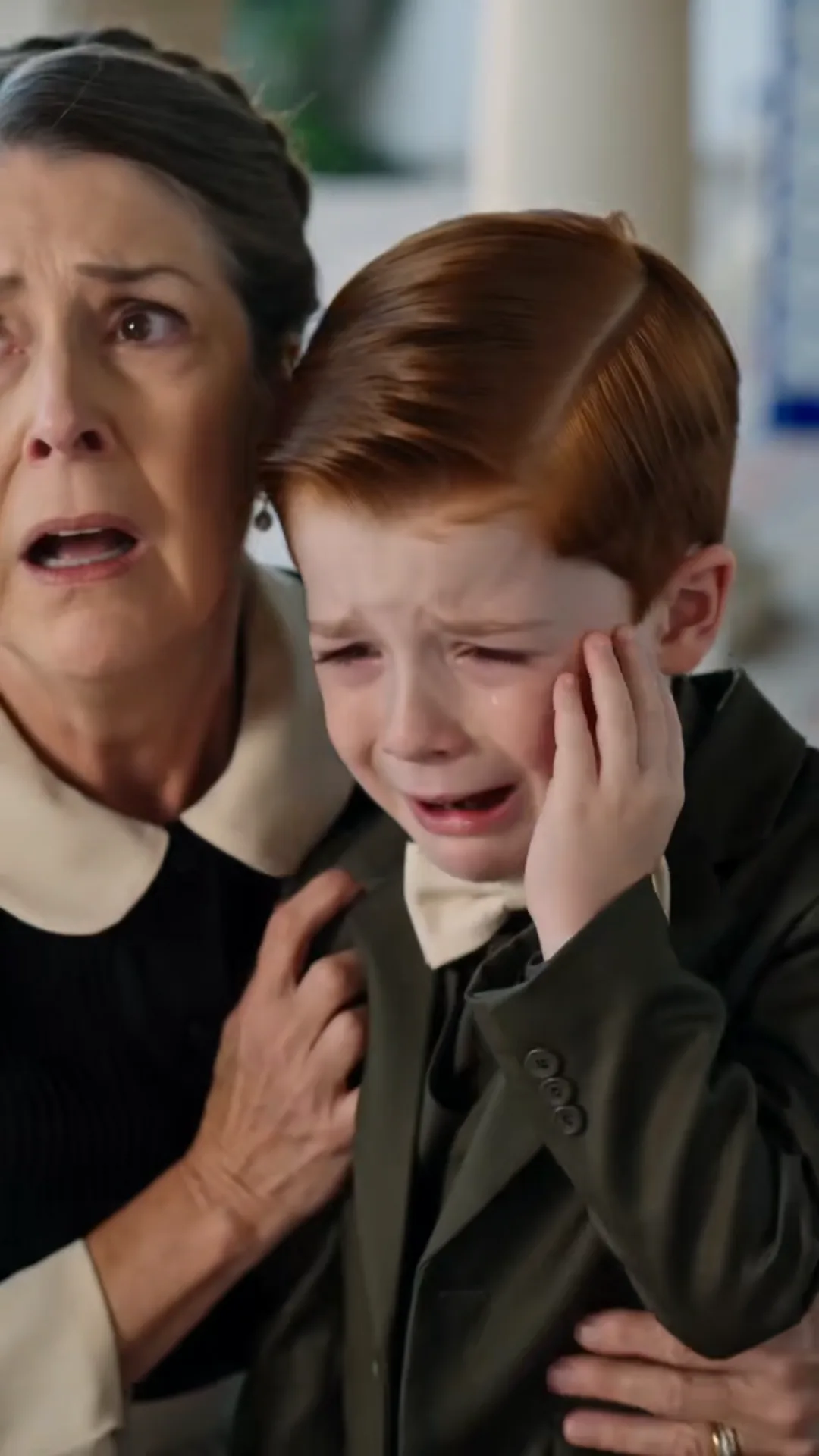
Isabela crouched.
She didn't kneel — kneeling would have wrinkled the dress, and the dress had cost more than most people's cars — but she crouched low enough that her face came level with Mateo's, close enough that he could smell her perfume, something floral and expensive and completely without warmth.
"Look at me when I speak to you," she said, low, pleasant, the kind of pleasant that guests two feet away would read as affectionate.
Mateo looked up.
Her eyes weren't pleasant. Her eyes were doing math.
"You've been standing here for forty minutes," she said. "Doing nothing. Being seen by nothing. Do you know what that looks like, to my guests? A little boy skulking by a pillar in a suit that doesn't fit him?"
"Rosa said to wait here."
"Rosa," Isabela repeated, and something flickered behind her eyes at the name, filed away, another drawer. "Rosa is not your mother."
Mateo said nothing. He had learned that silence was safer than the alternative, though tonight, apparently, silence would not be safe either.
"I asked your father," Isabela went on, still in that low pleasant voice, "very reasonably, whether you needed to be here at all tonight. There are people — professionals — who look after children during events like this. Somewhere upstairs. Out of sight."
"He said I could come."
"He says a great many things when he's had three glasses of Rioja." She reached out and straightened his bowtie, a gesture that from six feet away would have looked tender. Up close, her fingers pinched the fabric hard enough that Mateo felt the tug against his throat. "I want you to understand something, mi amor, because I don't think anyone has explained it to you properly. You are here because your father is a sentimental man and I am, tonight, choosing to be patient with sentimental men. That patience is not a permanent condition."
A group of guests drifted past, laughing at some private joke, and Isabela straightened instantly, her hand falling away from Mateo's collar, her smile clicking back into place like a light switch.
"Doesn't he look sweet," said one of the women, an older guest in emerald silk. "Yours, Isabela?"
"My husband's," Isabela said smoothly. "From before."
From before. Mateo turned the phrase over in his head like a stone in his pocket. He was seven, and already he understood that from before was a way of saying not really mine, a way of drawing a line in the sand and making sure everyone could see which side he stood on.
The woman in emerald cooed something else and moved on, and the smile fell off Isabela's face the instant her back was turned, replaced by the flat, assessing look she'd worn a moment ago.
"Go find the coat room," she said. "Sit there until the toasts are finished. I don't want to see you again tonight."
Mateo didn't move at first, and that hesitation — that half-second where his feet simply refused the order his brain gave them — was, he would understand much later, the moment everything tipped.
"I said," Isabela repeated, and now there was an edge under the pleasant tone, thin and sharp as the edge of the champagne flute in her hand, "go."
"I don't know where the coat room is," Mateo said, which was true, and which was also, apparently, the wrong thing to say.
Something shifted in her face. It was small — a tightening at the corner of her mouth, a flare at her nostrils — but Mateo had spent enough evenings watching adults to know a small shift could be the beginning of a large one.
"You don't know," she repeated.
"No."
"You've lived in this house for six months and you don't know where the coat room is."
"I don't really — I don't go to that part of the—"
"Because you spend your days hiding in the kitchen with the help," Isabela said, and her voice had dropped the pleasant register entirely now, gone thin and hard, though still quiet enough that only Mateo and the nearest pillar could hear it. "Like a stray cat. Do you know what people call children who cling to kitchens, Mateo? They call them problems. Small, expensive, ungrateful problems."
Somewhere across the ballroom, a violin swelled into the next song, and a ripple of applause went up for the newlyweds, and nobody — nobody at all — was looking toward the pillar near the kitchen doors, where a bride in white lace had just called a seven-year-old boy a problem to his face.
Mateo's eyes stung. He blinked hard, because Rosa had also taught him that crying in front of certain people only fed them, gave them proof of a wound they could press on again later.
But his chin trembled anyway, betraying him.
"Oh, don't," Isabela said, straightening up now, looking down at him with something between disgust and satisfaction. "Don't you dare start that. Not here. Not tonight."
"I'm not," Mateo said, though his voice cracked in the middle of the second word.
"You are exactly what your father promised me you wouldn't be," she said. "A burden with a bowtie."
She turned to go, already reaching to adjust her bracelet, already composing her face back into wedding-night radiance for the next cluster of guests waiting to congratulate her.
And that should have been the end of it. That was, in a hundred other households, in a hundred other versions of this exact night, where the end of it would have stayed — a cruel sentence, a wounded child, a story that lived only in silence afterward.
But Mateo, small and stubborn and seven, did the one thing you were never, ever supposed to do to a woman like Isabela Alcántara.
He answered back.
"Rosa says a burden is somebody who doesn't try," he said, quietly, to her retreating back. "I try. You just don't want me to."
Isabela stopped walking.
For one full second, the gold room seemed to hold its breath along with him.
May you like



Then she turned around.
---