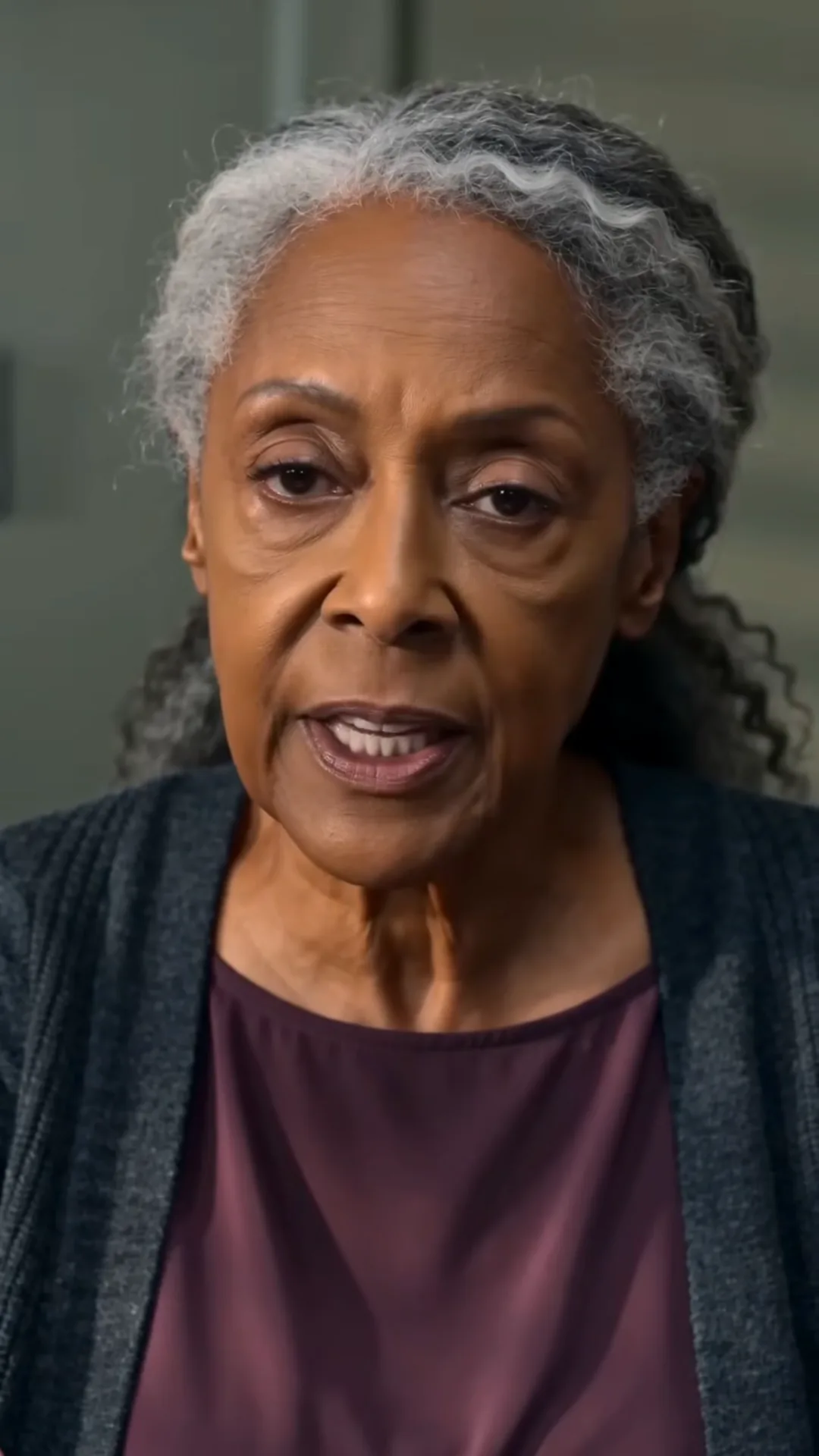
Chapter 1 - Sit Up Straight
Carolyn had learned to eat dinner the way other people learn to hold their breath underwater.
Small bites. Steady hands. Never too much at once.
Sixty-eight years old, and she still found herself counting silently between forkfuls at this table, the way her own mother had taught her at a different table, in a different decade, in a house that no longer existed except in the careful way Carolyn still held her spine.
"Lily," she said. "Sit up straight and eat your dinner."
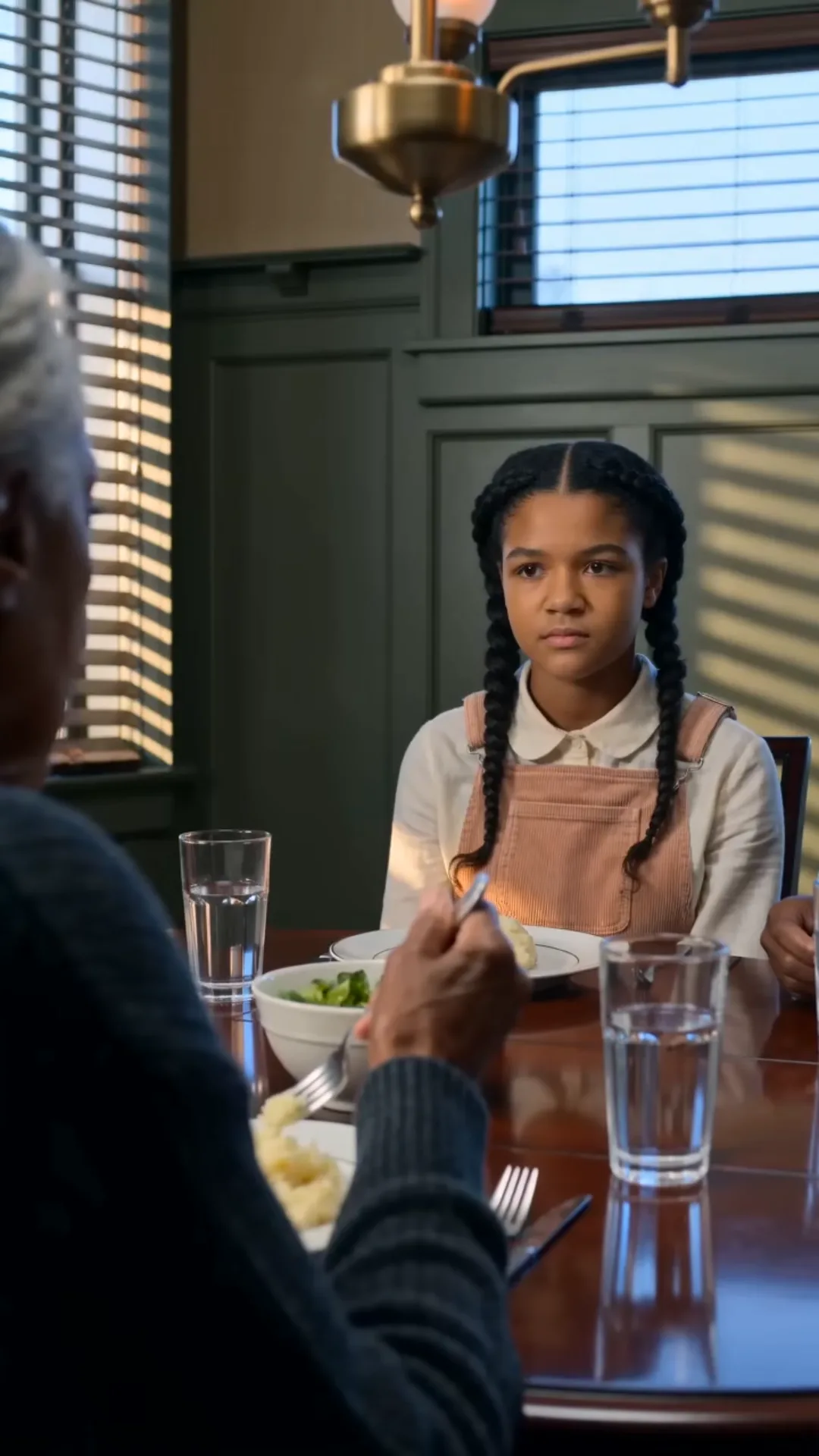
Across the table, her granddaughter slumped lower instead of higher, one elbow planted in a smear of gravy, chin nearly level with her plate.
Lily's eyes came up slow. Flat. Daring.
"Mom says you deserve it," Lily said.
The fork in Carolyn's hand did not move.
Somewhere behind her ribs, something small and old cracked — quietly, the way a hairline fracture cracks, invisible from the outside, all the damage happening in a place no one else could see.
---
Denise laughed.
Not a cruel laugh. Carolyn would think about that distinction later, turning it over and over like a stone in her pocket. Not cruel. Just careless — a short, surprised bark of sound, hand flying up to cover her mouth the way it had since she was a girl, since she was Lily's age, sitting at Carolyn's own long-gone kitchen table doing this exact same thing to someone else entirely.
"Lily," Denise said, through her fingers, not really scolding.
It didn't sound like a correction.
It sounded like a woman trying not to laugh harder.
Mark set down his fork. Wiped one corner of his mouth with his napkin, unhurried, the particular unhurried of a man who has never once in his life worried about being asked to leave a room.
"Oh, relax, Carolyn," he said. "She's just playing around."
Carolyn's jaw tightened, one small muscle working beneath her cheek.
"Don't be so sensitive," Mark added, and reached for the salad bowl like the sentence had cost him nothing at all.
---
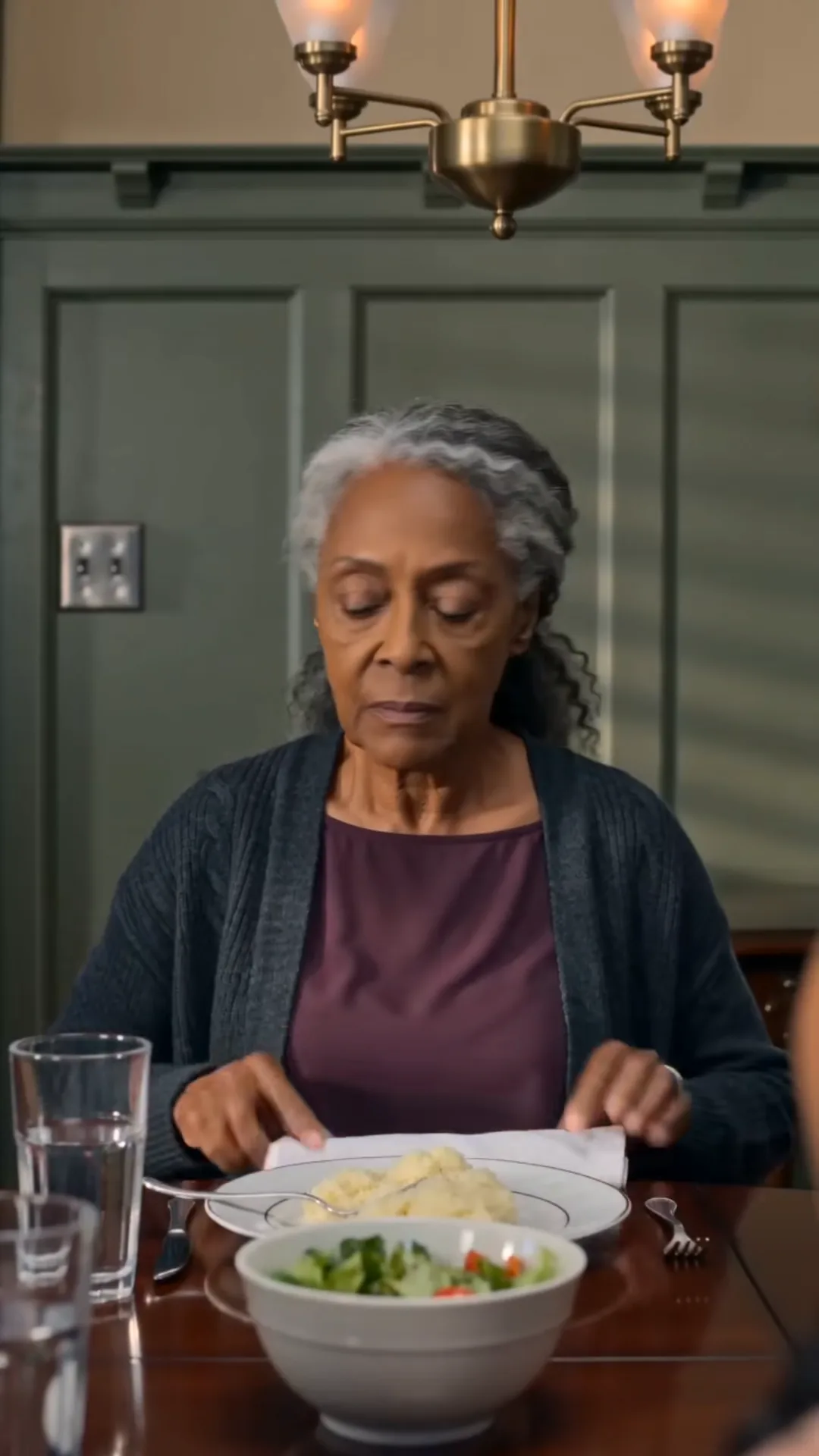
Carolyn looked down at her plate.
Mashed potatoes, going cold in the shape a serving spoon had left them. A single pat of butter, half-melted, sliding slowly toward the rim.
She thought about the grocery bill she'd paid that morning, standing at the self-checkout in her good coat because she liked to look presentable even for errands, four hundred and twelve dollars of food for a house that was not, technically, hers.
She thought about the mornings — every morning, for fourteen months now — when she was the one standing at this same stove before six, making the same scrambled eggs Lily would only eat if they were "the yellow kind, not the white kind," a distinction Carolyn had learned to honor without ever once being thanked for learning it.
She thought about her own mother's dining table, sixty years gone now, and the particular silence that used to fall over it whenever someone spoke disrespectfully to an elder.
That silence did not exist at this table.
This table had a different kind of silence — the kind built entirely around Carolyn, instead of in defense of her.
---
"I only asked her to sit up straight," Carolyn said.
Her voice came out quieter than she meant it to. Smaller. She hated that, hated the way this house had slowly, patiently, taught her to make herself smaller across fourteen months, one dismissed comment at a time.
"And she did," Mark said easily, not even looking up now. "Eventually. Kids push back, Carolyn. It's developmental."
"It's disrespectful."
"It's dinner." Mark reached for his water glass. "Nobody's trying to upset you."
Carolyn looked at her daughter.
Waited.
Denise was looking at her plate now too, the laughter gone from her face, replaced by something more careful — an old, practiced neutrality Carolyn recognized instantly, because she'd taught it to her herself, decades ago, in a house with a different kind of silence.
Don't take sides at the table. It only makes things worse.
Denise had learned that lesson well.
She was using it now, against the very woman who had taught it to her.
---
Lily, oblivious to all of it, had gone back to pushing peas around her plate in slow, deliberate circles, humming something tuneless under her breath, entirely satisfied with how the conversation had resolved itself in her favor.
Carolyn watched her granddaughter's small, unbothered face and felt something in her chest settle into a decision she hadn't consciously made yet, the way weather settles into a pattern before anyone notices the sky has actually changed.
She folded her napkin.
Not angrily. Not dramatically. Just — finally, the way a person folds a napkin at the end of a meal they have no intention of returning to.
She set it beside her plate, corners squared, the way she'd been taught to leave a table sixty years ago in a house where respect wasn't optional and love wasn't something you had to keep proving you deserved.
Then she stood.
The chair legs scraped once against the hardwood — the only loud sound in the entire exchange, and even that felt, to Carolyn, smaller than the silence that had come before it.
"Mom?" Denise said, looking up now, too late, the way people always looked up too late in this house. "What's wrong?"
Carolyn didn't answer.
She simply looked at her daughter for one long moment — long enough to say everything she wasn't going to bother saying out loud anymore — and then she turned, and walked toward the kitchen, leaving her plate exactly where it sat, mashed potatoes going fully cold now under the warm, indifferent light of the chandelier above the table.
Behind her, she heard Lily's small voice, genuinely confused for the first time all evening.
"Where's Grandma going?"
No one answered her.
Carolyn didn't wait around to hear if they eventually would.
She paused at the edge of the kitchen tile, one hand resting briefly on the cool granite counter, and let herself look back — just once — through the wide doorway at the table she was leaving.
Mark had already returned to his salad, entirely unbothered, the way a man returns to a task he never considered interrupted in the first place.
Denise sat frozen, fork suspended halfway to her mouth, her eyes wide with something that looked, from this distance, almost like the beginning of understanding — though Carolyn had learned, across fourteen months, not to mistake the beginning of a feeling for its follow-through.
Lily alone was watching her directly, small face caught somewhere between confusion and the first flicker of consequence, the particular expression of a child realizing, dimly, that words have weight even when you don't feel them landing.
Carolyn held her granddaughter's gaze for one long moment.
She did not soften her expression for the child's benefit, the way she might have a year ago, the way she had trained herself to do for fourteen months running — smoothing over every hurt before it could fully register, protecting everyone else's comfort at the quiet expense of her own.
She simply let Lily see her exactly as she was.
Tired. Unsmiling. A woman who had, finally, run out of softening left to offer.
May you like



Then she turned, and walked on toward the front door, her footsteps steady and unhurried across the hardwood, the particular sound of a decision already made rather than still being weighed.
---