Chapter 9 - The New Terms
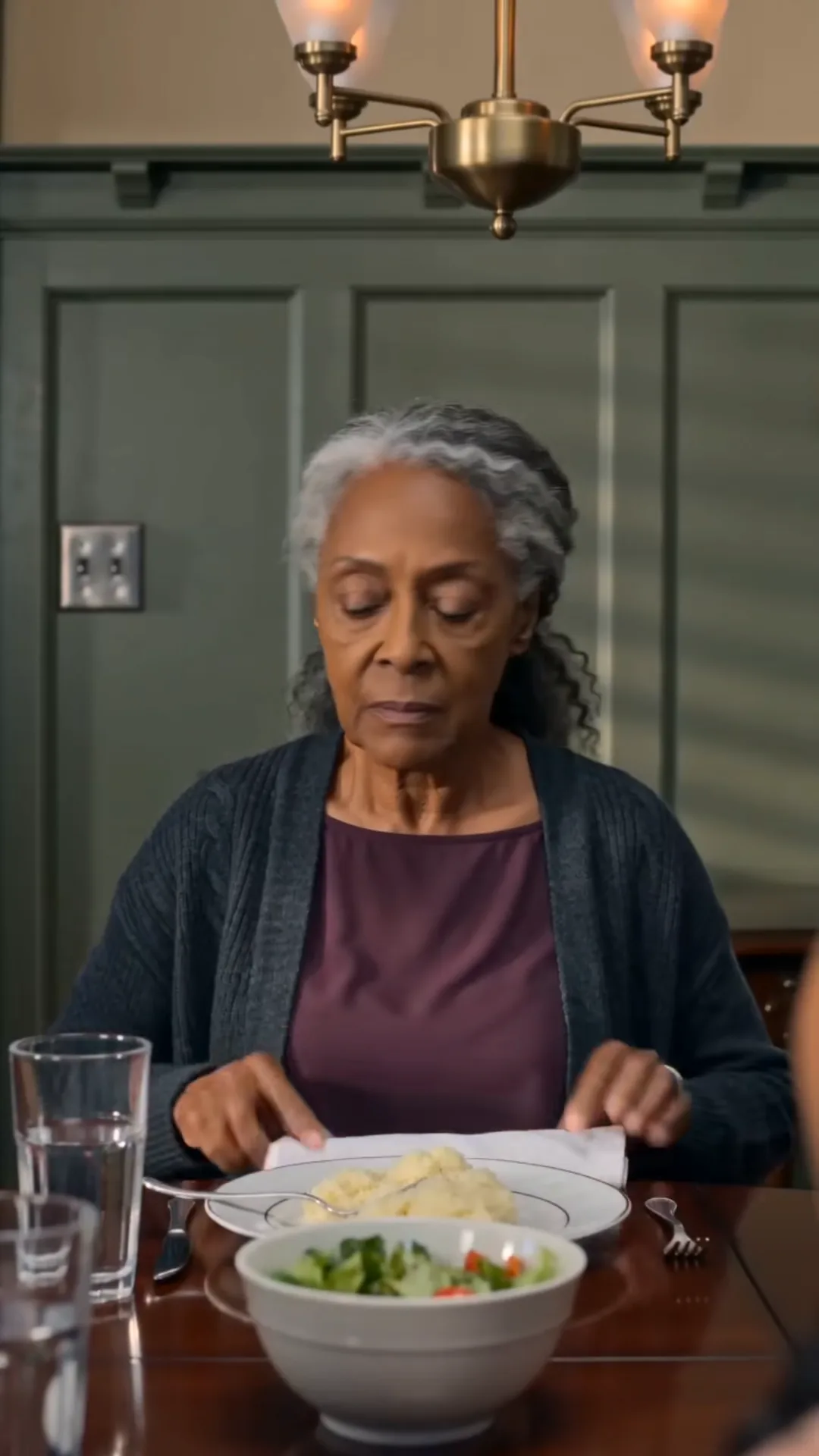
They met at the diner.
Carolyn's choice, deliberate and specific — neutral ground, somewhere that belonged to no one's memory of who got to speak first or last at a dinner table, somewhere Dot could refill her coffee and offer her small, steady nod of solidarity from across the room if the conversation grew difficult.
Denise arrived first, sliding into the booth across from where Carolyn already sat, and for a moment neither woman spoke, the ordinary diner noise — clattering plates, a radio playing low behind the counter — filling the space where an apology usually would have gone.
"Thank you for coming," Denise said finally.
"Thank you for asking the right question," Carolyn answered. "Eventually."
It wasn't unkind. It was simply true, and Denise, to her own credit, didn't flinch from it.
---
"I've been thinking about what better looks like," Denise said, folding her hands on the table the way she used to as a girl, waiting to be corrected on her posture at a very different table, decades ago. "I don't think it means you moving back in the way it was. I think — if you're even still willing to be part of our daily lives at all, which I would understand if you weren't — I think it means something with actual boundaries. Actual thanks. Actual noticing."
Carolyn watched her daughter carefully, searching her face for the old, practiced neutrality Carolyn had taught her decades ago — the reflex to keep the peace instead of naming the actual cost of things.
She didn't find it.
She found something rawer instead. More honest. More like the daughter Carolyn remembered from before the peace-keeping habit had calcified into something closer to disappearing.
"I found an apartment," Carolyn said. "Small, but mine. Two blocks from the library. I sign the lease Thursday."
Denise's face did something complicated — relief and grief arriving at once, Carolyn suspected, the specific ache of watching a parent choose independence, even when independence was exactly the right and healthy choice to make.
"Okay," Denise said slowly. "Okay. That's — I think that's good, actually. I think you deserve your own front door."
"I do," Carolyn agreed, without apology, testing the shape of the sentence and finding, to her own quiet satisfaction, that it fit her perfectly.
---
"I still want to be part of things," Carolyn continued. "I want to see Lily. I want Sunday dinners, if we can figure out what those actually look like now. But I need them to be dinners I'm invited to as a guest of honor, Denise, not dinners I'm expected to cook, clean up after, and then absorb whatever disrespect happens to land on me in between courses."
"That's fair."
"I need Mark to actually apologize. Not the kind of apology that's really just an excuse wearing an apology's clothes. A real one."
"He's working on that," Denise said. "Slower than I'd like. But he is working on it. He's been letting Lily teach him things this week. Laundry. Cooking. He asked me, two nights ago, what your favorite flower was, because he wants to bring you something when he finally does apologize properly, and he genuinely didn't know the answer. He was upset about that. Really upset, in a way I haven't seen from him in years."
Carolyn felt something in her chest loosen slightly at that detail — small, unglamorous, entirely believable in a way a grand gesture wouldn't have been.
"Peonies," she said. "In case he asks you again."
Denise smiled, small and genuine, the first real smile Carolyn had seen from her in the whole nine days since that dinner.
---
"And Lily," Carolyn said, more carefully now, her voice softening around the edges the way it always did around her granddaughter's name. "I don't want her carrying guilt about this. What she said was a mirror, not a cause. Somebody handed her those words before she ever said them out loud."
"I told her that. I think she mostly understands. She's been trying, this whole week, to show me she gets it — even if she can't fully explain it yet." Denise hesitated. "She misses you terribly, Mom. She asks about you every single day."
"I miss her too," Carolyn said, and her voice caught, finally, on the first real crack in nine days of careful composure. "I miss all of you. That was never the question. The question was whether missing you was supposed to cost me everything else about myself. And I don't think it was. I don't think love is supposed to work that way, for anyone."
Denise reached across the table and took her mother's hand — the first physical contact between them in over a week, small and simple and entirely sincere.
"I don't think it's supposed to work that way either," she said. "I think I learned that the wrong way from you, a long time ago, without either of us meaning to teach it. I'd like to learn it the right way now. From you again, if you're willing to keep teaching me — but properly, this time. With both of us actually paying attention."
---
Carolyn looked at her daughter's hand over hers, weathered slightly now at thirty-nine, the same shape and structure as Carolyn's own hand had been at that age, decades and an entire lifetime ago.
"Sunday," Carolyn said finally. "Let's start with Sunday. I'll come for dinner. I won't cook it. I won't clean it up. I'll sit at that table as a guest, and we'll see, together, what it feels like when everyone in the room is actually working to make sure I want to come back the following week."
"Deal," Denise said immediately.
"And Denise." Carolyn held her daughter's gaze, steady and clear, the specific firmness of a woman who had spent nine days rebuilding a version of herself she had no intention of losing again. "If it starts sliding back — if I become furniture again, even slowly, even without anyone meaning it — I need you to hear me now, clearly, so there's no confusion later. I will leave again. Not dramatically. Not as a punishment. Just as a simple, necessary fact. I spent thirty-one years disappearing a little at a time inside a house I loved, and I am not willing to spend whatever years I have left doing it inside anyone else's house either. Not even yours."
Denise nodded, slow and solemn, understanding — finally, completely — the full weight of what her mother was offering her.
Not an unconditional return to the old pattern.
A genuine, deliberate second chance, built this time on actual terms, actually spoken aloud, actually agreed to by two adult women who had both, in their own separate and painful ways, spent the last nine days learning exactly what they owed each other going forward.
"I hear you," Denise said. "I promise, Mom. I hear you completely."
May you like



Across the diner, Dot refilled two coffee cups without being asked, caught Carolyn's eye for just a moment, and gave her the smallest, knowing nod — the particular solidarity of a woman who had watched this exact scene, in one form or another, play out across her counter for forty years, and knew, this time, by the steadiness in Carolyn's spine, that it was finally going to end differently.
---







