Chapter 7 - The Message
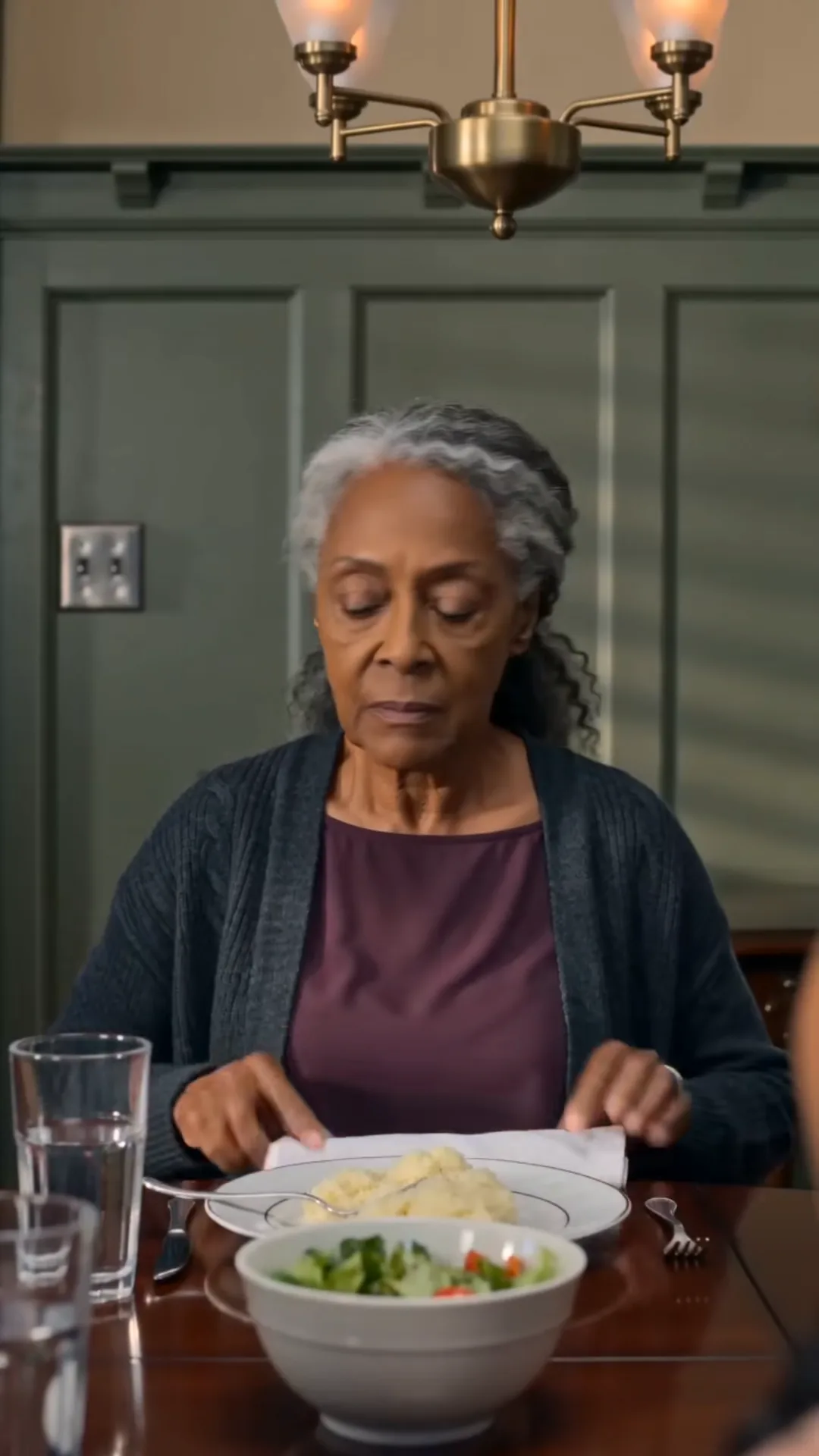
The text sat unsent in Denise's drafts for almost two hours before she finally worked up the nerve to press send.
Mom. I'm not asking you to come back. I know that's probably the wrong thing to lead with, but I don't want you to read this and think it's another version of the family needing something from you again. I just want to ask — what do YOU need right now? Not what would help us. What would help you. I don't think I've asked you that question in years, and I think that's most of the actual problem.
She hit send before she could talk herself out of the vulnerability of it.
Then she sat at the kitchen table — Carolyn's usual seat, she realized belatedly, an accident of habit she hadn't consciously chosen — and waited, phone face-up this time, watching the little indicator that showed whether a message had been read.
It sat unread for eleven minutes.
Denise counted every one of them.
---
Carolyn read the message sitting on the edge of her motel bed, apartment listings still open on the laptop beside her, and found herself, for the first time in five days, entirely unsure what to feel.
She had expected apologies. She had, if she was honest with herself, been quietly dreading them — the easy, familiar shape of Denise saying I'm sorry, please come home, a sentence Carolyn already knew, from thirty-one years of raising her, how to accept gracefully and fold immediately back into the same old pattern, the same old silence, the same small daily erosion resuming exactly where it had left off.
This wasn't that.
This was a question. An actual question, open-ended, without an agenda folded invisibly inside it.
She read it three times before she trusted herself to answer.
I need to not go back to being invisible, she finally typed, then deleted it, finding it too raw, too much all at once for a first honest exchange in fourteen months.
She tried again.
I need to know that if I come back, it isn't back to the same table. I need my chair to mean something again. I need someone besides me to notice when the coffee maker needs cleaning, or when Lily needs new shoes, or when I haven't had a full conversation with another adult in three days that wasn't about grocery lists or homework schedules. I need to stop being furniture, Denise. I love all of you. I have never once stopped loving all of you. But love isn't supposed to cost a person their whole remaining self.
She read it over once, hand hovering above the send button, feeling more exposed than she had in years.
Then she sent it.
---
Denise read the message standing in her own kitchen, and had to set the phone down on the counter and grip the edge of it with both hands for a moment before she trusted herself to pick it back up.
Love isn't supposed to cost a person their whole remaining self.
She thought about her own mother, at Denise's current age, thirty-some years ago — a version of Carolyn Denise had never really considered fully, a woman with her own friendships, her own hobbies, her own private inner life that existed entirely separate from being someone's mother or someone's wife.
Denise tried to remember details of that woman now and found, uncomfortably, that she mostly couldn't. She remembered Carolyn making dinner. Carolyn driving her to soccer practice. Carolyn at every school event, every doctor's appointment, every small domestic crisis, endlessly present and endlessly, silently capable.
She could not remember a single hobby her mother had pursued purely for herself, in all the years Denise had been paying attention.
She wondered, standing there in her kitchen with her phone trembling slightly in her hand, whether that absence was because Carolyn genuinely had none — or because Denise, like everyone else at that dinner table five nights ago, had simply never once thought to ask.
---
What did you love, before all of us needed you so much? Denise typed, an hour later, after Mark had gone to bed and Lily was asleep and the house had gone properly quiet around her for the first time all day.
Carolyn's answer came slower this time. Longer to arrive, though Denise understood, waiting, that this particular delay wasn't hesitation. It was excavation — a woman digging carefully back through years of sediment to find something she'd buried so deep, and for so long, she needed real time to locate it again.
I used to paint, Carolyn finally wrote. Watercolors, mostly. Nothing serious. I had a little easel set up in the sunroom of the Larkspur house, and most Saturday mornings, before anyone else was awake, I'd sit out there for an hour with my coffee and just — paint whatever the light was doing that morning. I sold the easel with the house. I told myself I didn't have room for it here, and that was true, but it also wasn't the whole truth. The whole truth is I stopped believing, somewhere in the last fourteen months, that I was allowed an hour that belonged only to me.
Denise read that message four times, sitting alone at her kitchen table in the dark, and cried for the second time that week — not from guilt this time, but from something gentler and sadder and more determined all at once.
I want you to have that hour again, she typed finally. Whatever it takes. I don't know exactly what that looks like yet — whether it's this house, or your own place, or something in between we haven't figured out. But I want you to know I'm not asking this question so you'll come home and things go back to normal. I'm asking because I finally understand that "normal" was never actually fair to you in the first place, and I don't want normal back. I want something better. For you, specifically. Not just for what you do for the rest of us.
There was a longer pause this time before Carolyn's reply came through.
Then maybe, Carolyn wrote, we should talk about what better actually looks like. In person. When you're ready to really listen, and not just to fix things fast enough to feel comfortable again.
I'm ready, Denise wrote back immediately.
I don't think you are yet, Carolyn answered, gently but without softening the truth of it. But I think you're closer than you were five days ago. Give it a few more days. Let's both sit with this a little longer before we rush back into a room together and say things we haven't fully thought through.
Denise set the phone down, alone in her dark kitchen, and understood — with a clarity that felt both painful and strangely hopeful — that her mother was finally, for the first time in longer than Denise could remember, putting herself first.
And instead of resenting it, Denise found she was, unexpectedly, proud of her.
She sat a while longer at the table, phone dark now on the wood in front of her, and thought about the watercolor easel her mother had described — the sunroom light, the quiet Saturday mornings, an entire private hour that had simply been allowed to disappear without anyone in this house noticing it was even gone.
She wondered how many other small disappearances she hadn't noticed either. A book club her mother used to mention, years ago, before the move. A standing Thursday lunch with an old friend from the neighborhood on Larkspur, one Denise vaguely remembered hearing about once, and then never again after the house sold. Small, ordinary pieces of a full life, folded away one at a time to make room for a family that had, without ever intending real cruelty, simply stopped asking what else its matriarch might still want for herself.
Denise resolved, sitting there in the dark, that whatever came next between them, she would start asking again.
Not just this once, in a moment of crisis.
May you like



For good.
---







