Chapter 8 - The Custody of Small Things
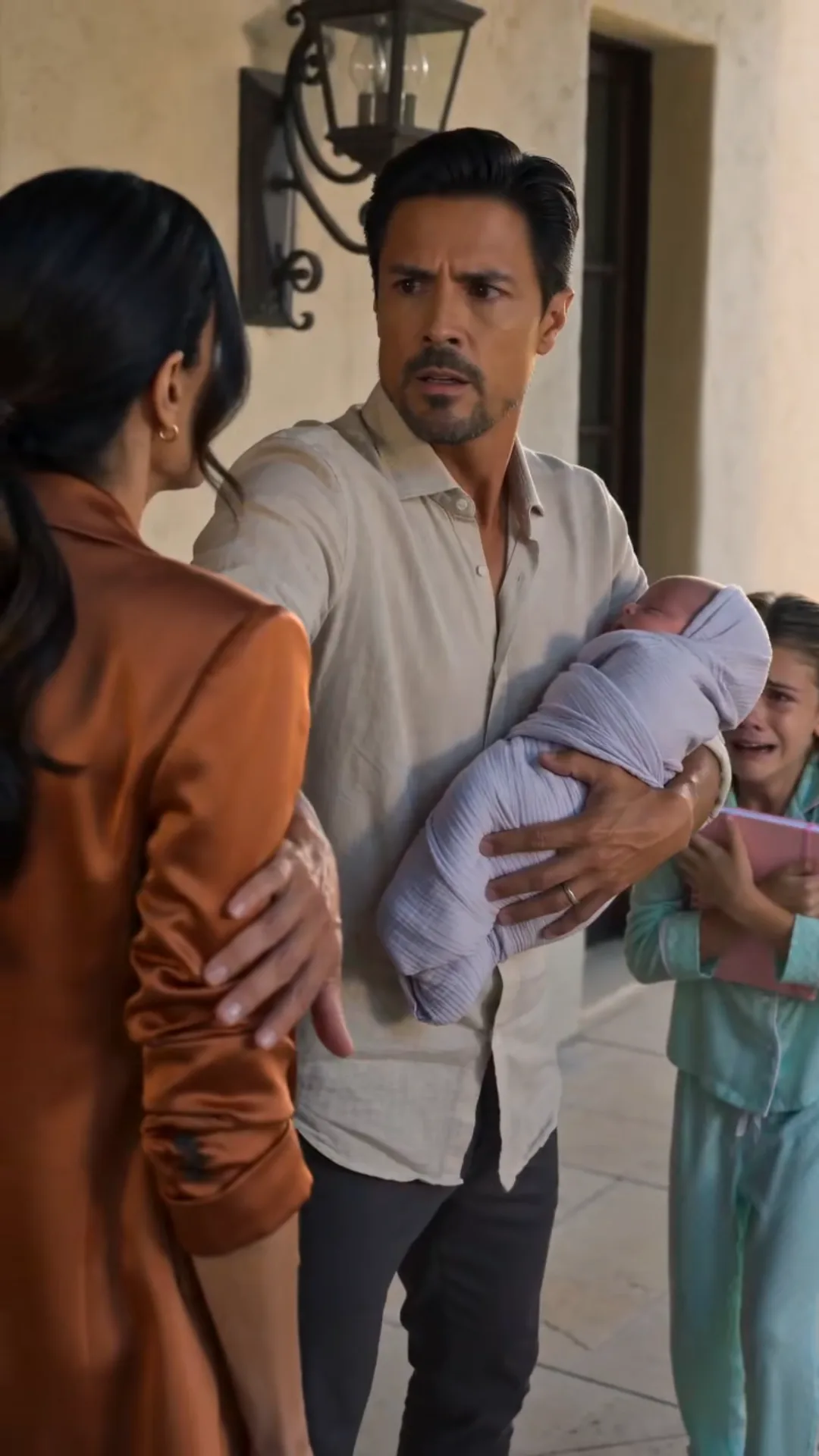
Spring came slowly that year, the way it does in cities — reluctant, grey, then all at once green.
The legal proceedings moved slower still. Depositions. A guardian ad litem who spoke to Sofia twice, gently, in a room with beanbags much like Dr. Abara's. Renata's lawyer arguing, at first, that a child's diary was unreliable evidence, dramatized, coached.
Then the pediatrician's old notes surfaced — a bruise on Sofia's elbow in December, dismissed at the time as a "playground fall," now re-examined against a new timeline.
Then the babysitter, an eighteen-year-old named Priya who'd covered two Saturday afternoons in November, came forward, unprompted, to say she'd once heard Renata, through a closed door, tell Sofia in a voice utterly unlike the one she used for adults: You'll regret it if you make me look bad again.
The dates all lined up.
Paper, it turned out, doesn't lie even when everyone around it has learned to.
---
Mateo sat through every hearing.
He held Sofia's hand in the hallway outside the courtroom the one time she had to speak with a judge in chambers, gently, no jury, just a kind-faced woman in reading glasses who asked simple questions in a simple voice.
Sofia answered them the way she'd learned to answer everything now — carefully, honestly, without performing for anyone's comfort but her own.
"I'm proud of you," Mateo told her afterward, in the elevator, and Sofia had looked up at him with an expression he was coming to recognize as new — not fear, not caution, but something steadier. Trust, rebuilding itself, slowly, brick by careful brick, the same way it had been dismantled.
"I know," she said. "You tell me every day."
---
The final custody arrangement kept Renata out of unsupervised contact with either child, pending a longer review Mateo privately hoped would never end in her favor.
He didn't tell Sofia all the legal specifics. She didn't need the architecture of it. She only needed the outcome, which he delivered to her simply, over pancakes, on a Sunday in April.
"She's not coming back to live with us," he said. "Not now. Maybe not ever. You're safe. Both of you."
Sofia nodded slowly, syrup dripping off her fork, processing it the way children process enormous news — quietly, then all at once.
"Can I still keep my notebook?" she asked. "Even though the bad stuff is over?"
"Forever," Mateo said. "It's yours. It always was."
---
She used it differently after that.
Fewer entries about fear. More about ordinary things — a spelling test, a friend's birthday party, the exact shade of blue she wanted her room repainted.
One entry, in May, made Mateo sit very still at the kitchen table when she shared it with him, unprompted, one evening after dinner.
I used to think writing things down was the only way to be believed. Now I know it's also just a way to remember. Both things can be true. I like that better.
He read it twice.
Then he told her, again, the three words she still needed to hear some nights, though less often now than before.
"I believe you," he said.
"I know," Sofia said, and this time, for the first time, she said it without needing to hear it back. "I believe me too."
---
Nora took her first steps that summer, in the same hallway where everything had come apart the winter before — wobbling past the same beige walls, the same wooden doors, arms outstretched toward her sister, who caught her, laughing, the paper star still taped, faded but intact, to a bedroom door down the hall.
Some rooms hold their worst memories forever.
May you like



This one, slowly, was learning to hold better ones too.
---







