Chapter 9 - The Weight of Being Believed
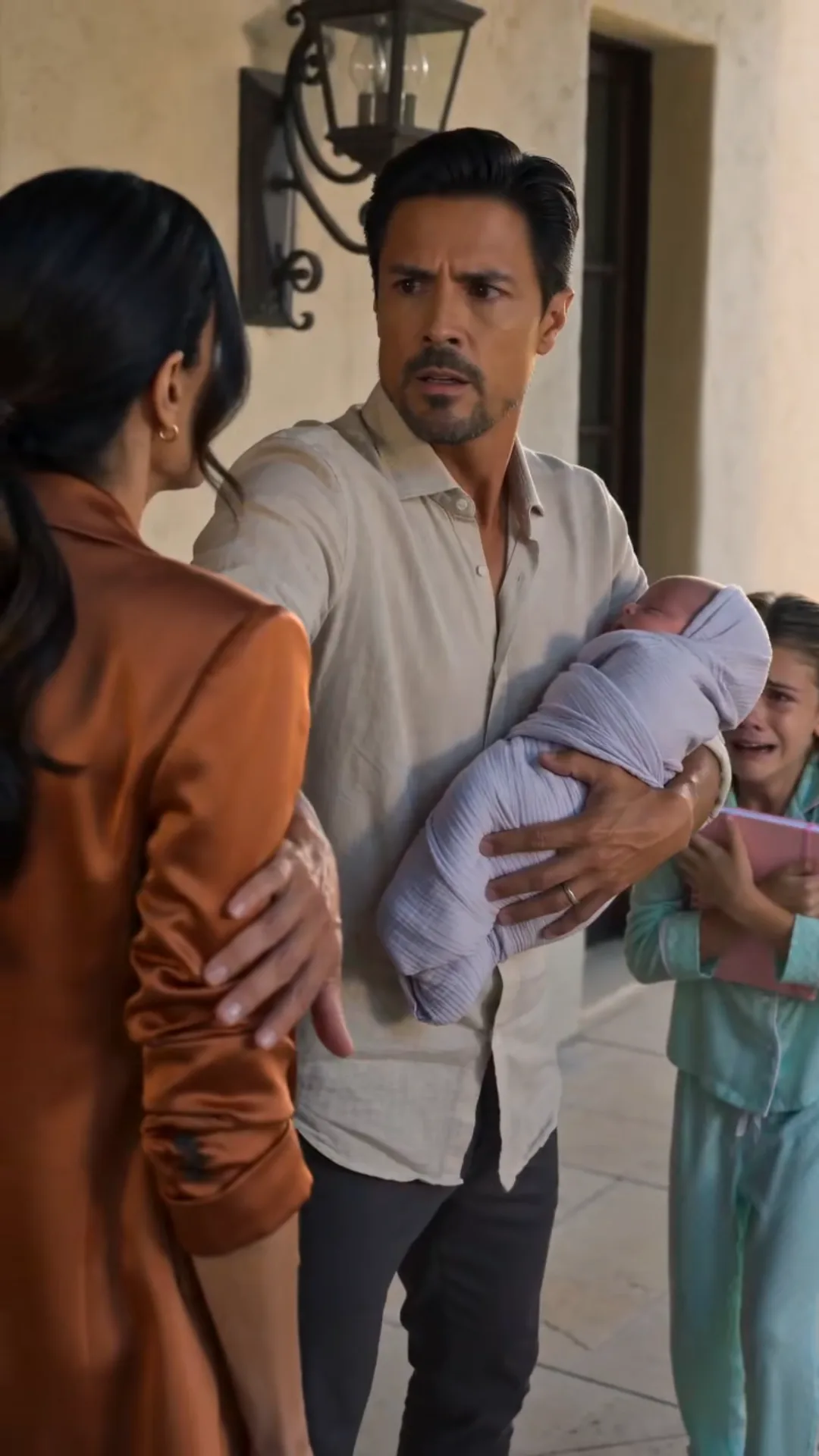
There is a particular kind of healing that doesn't look like healing at all — not from the outside.
It looks, mostly, like ordinary life. Cereal in the morning. Homework at the kitchen table. A baby learning to say no with tremendous, delighted authority.
Mateo learned, that year, that this was the real shape of recovery — not a single dramatic turn, but a thousand small, unremarkable Tuesdays, each one proving, quietly, that the house was safe now, and would stay that way.
---
He changed, too, in ways he hadn't expected.
He asked more questions now. Followed up on unfinished sentences instead of letting silence answer for him. When Sofia said I'm fine in a certain tone, he no longer accepted it at face value — he'd learned, the hard way, what that tone could be hiding.
"You don't have to interrogate me every five minutes," Sofia told him once, half-laughing, half-exasperated, the ordinary exasperation of a child with an overly attentive parent — itself, Mateo realized, a kind of miracle. A complaint born of safety instead of fear.
"Deal," he said. "Every ten minutes, then."
She rolled her eyes. It was, he thought, one of the best sounds he'd heard all year.
---
He also learned, more painfully, to forgive himself in small doses.
Dr. Abara had told him, early on, that guilt without action was just another kind of paralysis — that the four months he'd spent explaining away small cruelties couldn't be undone, only answered, going forward, with a different kind of attention.
He carried the guilt anyway, some days heavier than others.
But he answered it, too, every single day, in the way he showed up now — present, watchful, unwilling ever again to let a convenient explanation stand between him and his daughter's fear.
---
Sofia's teacher called in October, a year almost to the day since the pink notebook first appeared, to say Sofia had led a small classroom discussion, unprompted, about "how it's okay to tell someone if you're scared, even if you're scared to tell them."
"She used the word evidence," the teacher said, half-amused, half-moved. "She told the class that feelings are real even before anyone else believes them, but sometimes it helps to have something you can point to. She's remarkable, Mr. Reyes."
Mateo, on the phone in his kitchen, had to sit down.
"She gets that from her mother," he said, after a moment, throat tight. "Both of them, actually."
---
The notebook, by then, had been retired to a shoe box on Sofia's closet shelf — not hidden, not forgotten, simply finished, the way a chapter finishes rather than a story ending.
She started a new one that autumn. Yellow, this time, with a sunflower on the cover instead of a unicorn.
"Why yellow?" Mateo asked, watching her write her name carefully on the inside cover.
"Pink was for surviving something," Sofia said, with the plainspoken gravity only children manage without irony. "Yellow's for after."
He didn't have words for how that sentence landed in him.
He just nodded, and kissed the top of her head, and let her write.
---
Renata resurfaced once more, in November, through a lawyer's letter requesting supervised visitation, citing a completed parenting course and six months of therapy.
Mateo read the letter twice, forwarded it to his own lawyer, and then sat with Sofia that evening to explain, carefully, age-appropriately, what it meant and what it didn't mean.
"Do I have to see her?" Sofia asked, very still.
"Not unless you want to. Not ever, if you don't want to. That's your choice now. Not hers. Not even mine."
Sofia thought about it for a long time — longer than Mateo expected, long enough that he wondered if he should say more, then decided, correctly, to simply wait.
"Maybe someday," she said finally. "Not now. I'm not ready. Is that okay?"
"That's more than okay," Mateo said. "That's exactly how it should work."
---
Winter came again, gentler this time.
The lavender smell still lingered in the apartment — Mateo had never figured out where it came from, some detergent, some candle, something baked permanently into the walls — but it no longer sat on top of anything sour.
It was, simply, the smell of home again. Nothing hidden beneath it.
He stood in the kitchen one December evening, a year almost exactly since the broken butterfly clip, and listened to both his daughters laughing in the next room over some private joke he wasn't part of and didn't need to be.
May you like



It was, he thought, the best sound the apartment had ever made.
---







