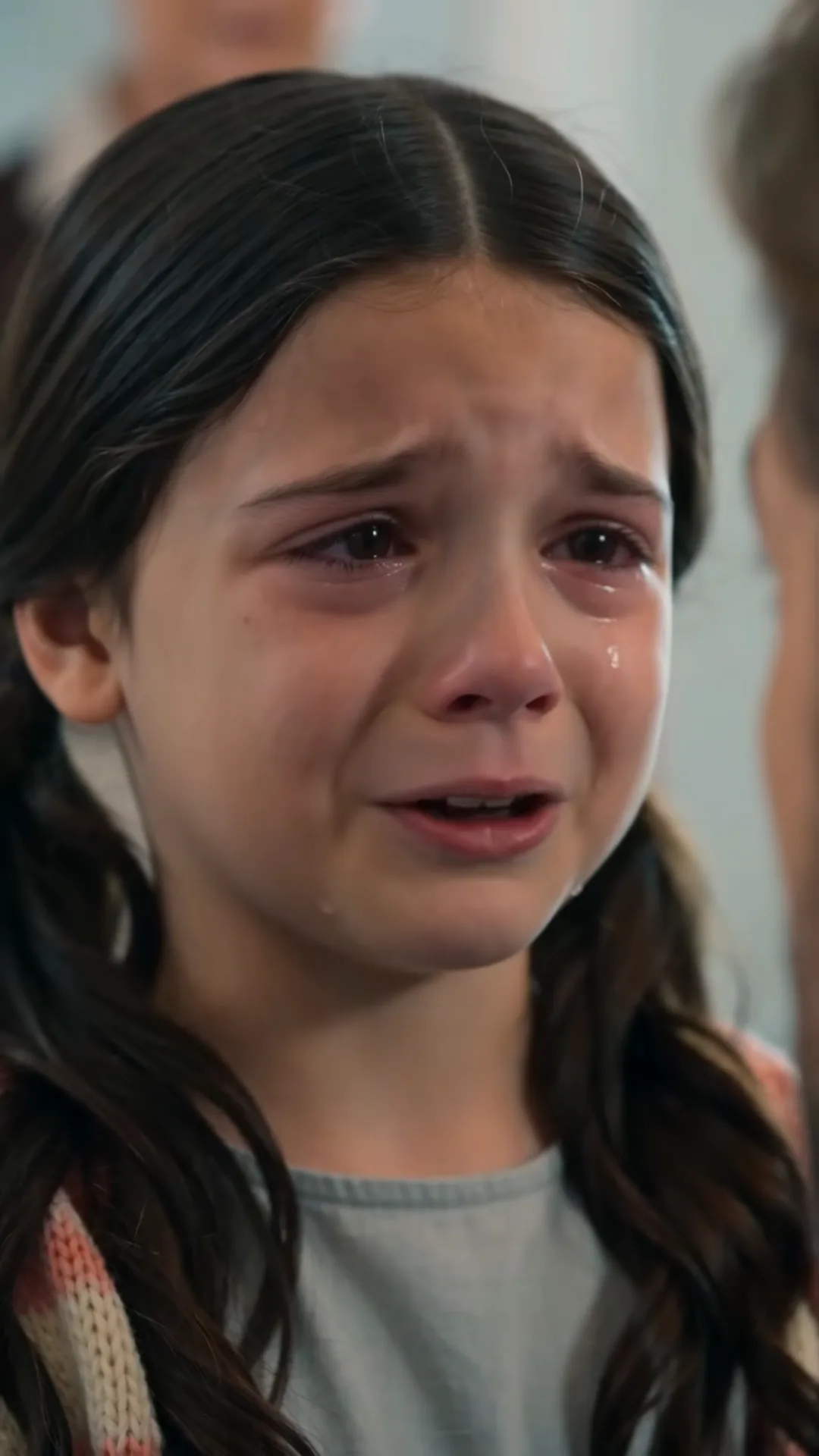
Chapter 2 - No La Toques
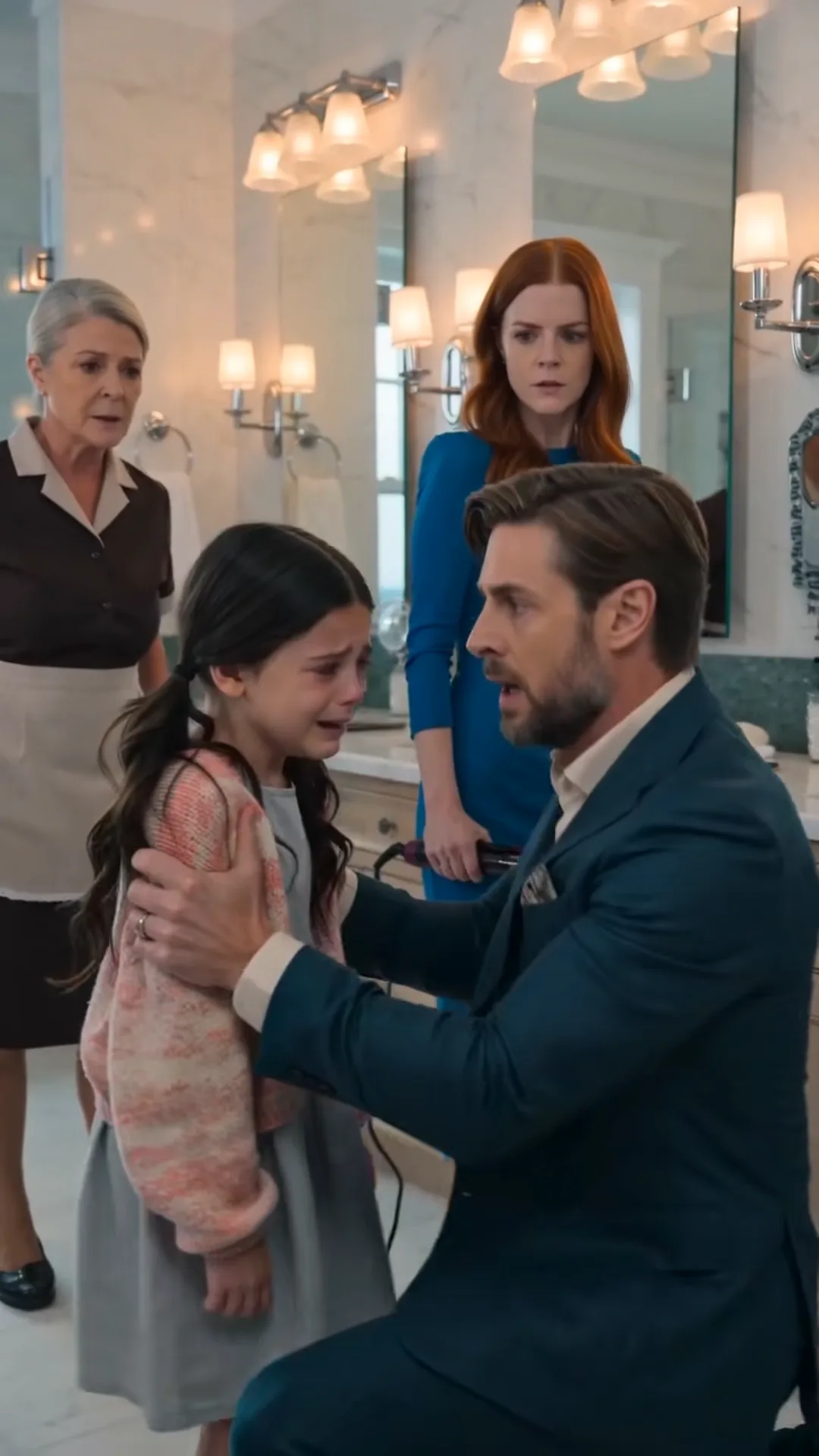
Grief does something to time.
It stretches some moments into hours and swallows others whole, leaving nothing behind but a gap where a memory should be.
Sofia would never remember exactly how long she stood in that bathroom.
She would remember the cold of the marble under her socked feet. She would remember Valentina's rings clicking softly against the curling iron's barrel. She would remember Marisol's breathing — slightly too fast, restrained, careful — but not the clock.
Time in that house had stopped mattering to her the day Mamá stopped being in it.
---
"Sofia."
Valentina's voice again. Different this time. Softer at the edges, but only the way a blade is soft right before it isn't.
"Look at me."
Sofia didn't.
She stared instead at the drain, at the small dark ring of water gathering where the curling iron had splashed.
"I said, look at me."
Marisol's grip on her shoulder tightened, just slightly. A silent instruction. Not now. Don't push.
Sofia lifted her eyes anyway. Some children learn obedience. Others learn defiance as a survival skill instead. Sofia hadn't decided which she was yet, but in that moment, something in her small chest chose the second one.
---
Valentina studied her face the way someone studies a stain they're trying to determine the cause of.
"You look like her," she said. Quietly. Almost to herself. "Every day, more."
Sofia didn't know what to do with that sentence. It didn't sound like a compliment. It didn't sound like anything a stranger says to a grieving child, either.
It sounded like an accusation.
---
Marisol stepped slightly in front of Sofia. Not dramatically. Not a scene. Just a small shift of her body, a subtle repositioning, the kind mothers do without thinking and maids learn to do out of love that isn't in their job description.
"She's just a child," Marisol said.
"She broke something."
"It's a sink."
"It was imported."
"She's seven."
Valentina's eyes flicked toward Marisol, cold and assessing, like she was recalculating something.
"You've worked here a long time," Valentina said.
It wasn't a compliment either.
---
Outside the bathroom, down the marble corridor, the ringing phone finally stopped.
Not because someone answered it.
Because whoever was calling had given up — for now — and would try again in ninety seconds, more urgently, the way people do when the first four calls go unanswered and something inside them starts to panic.
None of them heard it stop.
None of them yet understood that ninety seconds was about to become the most important number in their lives.
---
"I'm going to clean up," Sofia said suddenly.
Her voice cracked in the middle of the sentence, but she pushed through it. A child's stubborn attempt at composure — the small, brave lie children tell themselves that they are handling things.
She reached for a hand towel.
Valentina's hand caught her wrist.
Not hard. Not violent. Just firm enough to stop the motion completely.
"Leave it."
"I want to help."
"I said leave it."
---
There are moments that don't look like anything from the outside — a child's wrist held for two seconds too long, a towel left hanging in the air between two hands — but that rearrange something permanently inside a small body.
Sofia would carry this moment differently than the others.
Not because it was the worst thing that happened that day.
Because it was the moment she stopped believing Valentina was simply cold.
She started, instead, to believe Valentina was dangerous.
Seven-year-olds don't usually have the vocabulary for that distinction.
Sofia found it anyway. Grief accelerates vocabulary like nothing else does.
---
Marisol finally spoke, her voice lower now, edged with something that had been building for months and had nowhere left to go.
"Señorita Valentina. Con todo respeto—"
With all due respect—
"—esta niña perdió a su madre hace tres meses."
This child lost her mother three months ago.
Valentina's spine straightened. Something flickered across her face — too fast for Sofia to read, but not too fast for Marisol, who had spent eleven years learning to read the smallest tremors on the faces of people who paid her to disappear into the background.
"I know exactly how long ago that was," Valentina said.
Her voice had changed.
Not softer. Not gentler.
Quieter. Which, in that house, was worse.
---
Sofia's wrist still throbbed faintly where Valentina's fingers had gripped it. Not from pain — from the memory the skin was already writing down, the way skin does before the mind catches up.
She thought of her mother's hands.
Warm. Always slightly rough from gardening, from opening jars, from years of small domestic labor that never made it into any photograph of this house.
Valentina's hands were soft. Manicured. Perfect.
Perfect hands that had never grown a single callus doing anything real.
Sofia hated them.
She didn't have the word hatred fully formed in her chest yet, but her body was building the shape of it, brick by brick.
---
The phone rang again.
Ninety-one seconds, if anyone had been counting. Nobody was.
This time it wasn't the business partner from before.
This time it was the pediatric cardiologist's office, calling about test results nobody in that bathroom yet knew existed — results that, three days from now, would explain in cold clinical language something none of them had words for yet.
But that phone call would go unanswered too.
Because at that exact moment, in the driveway outside, a car door slammed hard enough to rattle the windows.
---
Footsteps.
Fast. Frantic. Leather shoes against imported stone, echoing down a hallway built to amplify every sound in the house — every laugh, every scream, every secret.
Valentina's head turned toward the sound first.
Something crossed her face that Sofia had never seen there before.
Fear.
Real fear. Not performed. Not the cold theatrical menace she wore like a second skin around the house.
Actual fear.
Sofia noticed it. Filed it away, the way children file away everything adults think they're too young to understand.
She's scared, Sofia thought. She's scared of him finding out something.
Finding out what?
---
Marisol's hand slid protectively across Sofia's back.
"Es tu papá," she whispered. It's your father.
Sofia's heart did something complicated — relief and terror braided together into a single feeling too big for a seven-year-old's chest.
Relief, because Papá was the only person left in the world who made the fear in her stomach quiet down.
Terror, because some small, wordless part of her already understood that whatever was about to happen in the next sixty seconds would change everything.
---
The footsteps grew louder.
Closer.
Valentina straightened her dress with both hands, an automatic, practiced gesture — the gesture of a woman preparing to be seen, to be perceived, to control a narrative before it could be told without her permission.
She set the curling iron down on the counter with deliberate calm.
Too deliberate.
The kind of calm that takes enormous effort to fake.
---
Sofia looked at the doorway.
Waited.
Somewhere behind her ribs, a decision was already forming — one she hadn't consciously made yet, one that would arrive fully formed out of her mouth the moment her father's arms closed around her.
Three words.
Four, if you counted mamá.
Words that would end one story and begin another.
May you like



The footsteps reached the door.
---