Chapter 4 - The Hallway of Black and White
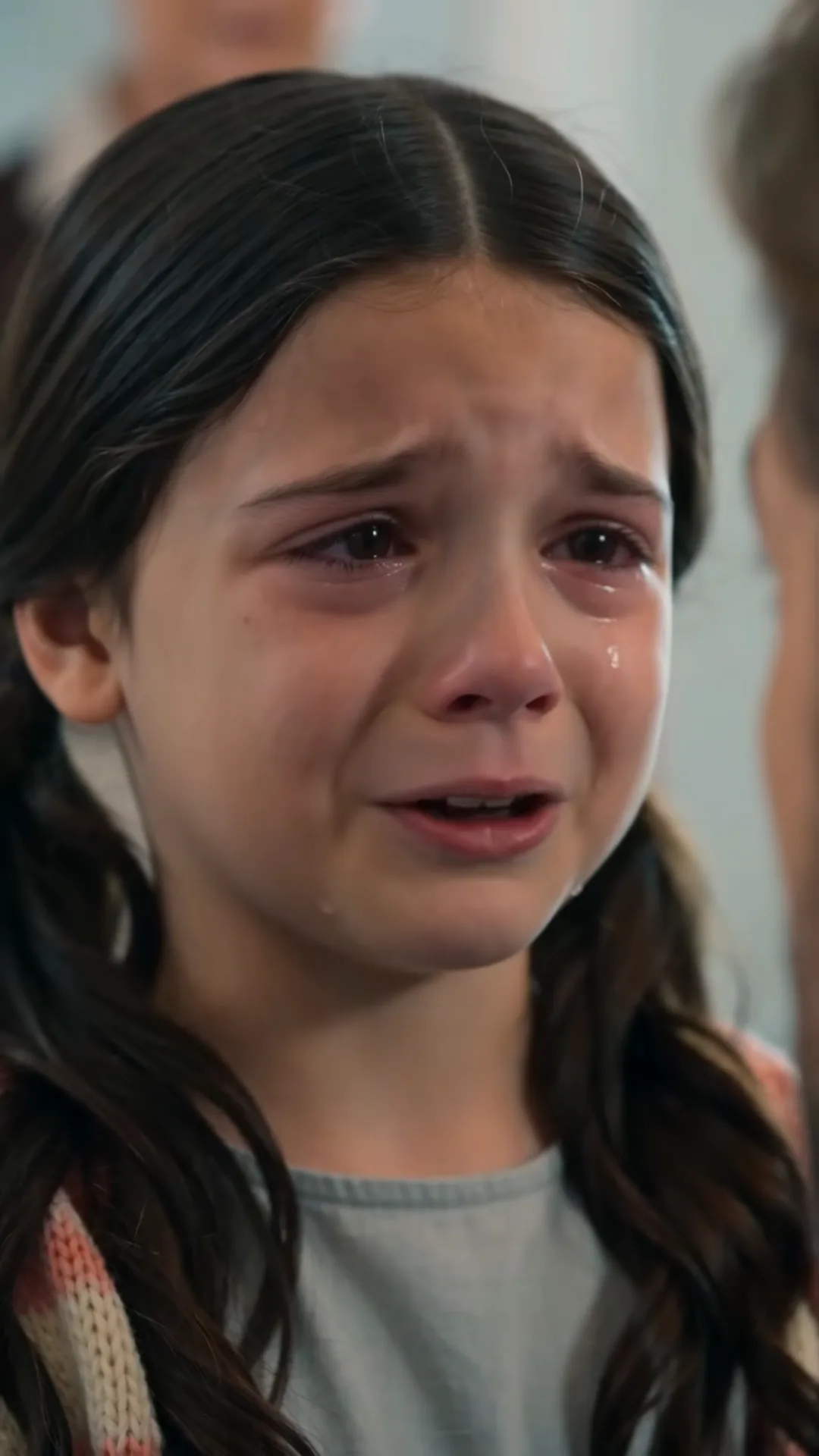
The hallway remembered things.
Not literally — hallways don't have memory — but Mateo had always felt, in the specific irrational way grief makes a person superstitious, that this particular stretch of black-and-white tile held onto something.
Elena used to walk it barefoot, humming.
Sofia used to skip across the black tiles only, arms out like a tightrope walker, laughing when she wobbled.
Today the hallway held nothing but the sound of a man's ragged breathing and the sharp clip of dress shoes against stone.
---
Time slowed the way it does in car accidents.
Mateo would later describe it to no one, because there was no one left who would understand — every stride felt like wading through water, his own heartbeat a drumline underneath the sound of his shoes.
The chandelier threw fractured light across the walls, scattering gold shards over black-and-white tile, and for one disorienting second Mateo thought he saw movement in the reflections — shapes, shadows, memory playing tricks on adrenaline.
He blinked it away.
Kept running.
---
He passed the console table where Elena used to leave her keys, where a small dish still held two of her hairpins nobody had had the heart to move.
He passed the guest room door, cracked slightly open, dust motes floating in a slice of afternoon light.
He passed the tall window overlooking the garden, where Elena's roses were still blooming, stubbornly, months after anyone had thought to properly care for them.
None of it registered consciously.
His whole nervous system had narrowed to a single point of focus, sharp and singular as a blade: get to Sofia.
---
The bathroom door stood ajar.
He heard voices before he reached it — not words yet, just tones. Valentina's, clipped and controlled. Marisol's, low and steady. And underneath both, small and broken, the unmistakable sound of his daughter crying.
Something in his chest cracked wide open at that sound.
He had heard Sofia cry a hundred times in her seven years of life — skinned knees, nightmares, the raw, inconsolable grief of the funeral three months ago that no parent should ever have to witness in their own child.
This crying was different.
Quieter. Older, somehow. The crying of someone trying very hard not to be heard.
---
He rounded the corner into the doorway.
The scene arranged itself in front of him with terrible clarity, each detail landing separately, like photographs falling one at a time onto a table.
Sofia, small against the marble counter, face blotched red, sweater sleeve dark and wet where she'd wiped her own tears.
Marisol, standing just behind her, one hand still resting protectively on her shoulder.
Valentina, three feet away, curling iron set down with studied calm, expression rearranging itself in real time into something presentable.
---
"Mateo." Valentina's voice found its composure first, smooth as always, a performance so practiced it was nearly seamless. "You're home early."
He didn't answer her.
He couldn't have, even if he'd wanted to. His body was already moving past her, past the question of the phone call, past everything except the small shaking shape of his daughter.
He dropped to his knees on the marble.
The cold of the stone bit through his trousers instantly. He didn't notice.
---
"Sofia."
His hands found her shoulders, gentle despite the urgency still coursing through him, adrenaline slowly converting into something softer, something desperate to comfort rather than protect.
"Mírame, cariño."
Look at me, sweetheart.
Sofia's eyes lifted to his. Red-rimmed. Swollen. But underneath the tears, something else — something steady, something that looked almost like relief mixed with resolve, the specific expression of a child who has been holding something enormous and has finally, finally found the one person she trusts enough to release it to.
---
"Papá."
Her voice was small. Wrecked. But clear.
He pulled her into his chest, one hand cradling the back of her head the way he used to when she was an infant and the whole world was still simple, still safe, still theirs.
"I'm here," he murmured into her hair. "I'm here, mi amor. What happened?"
Over Sofia's shoulder, he caught Valentina's eyes.
Something passed across her face too fast to name.
Not concern.
Something closer to calculation.
---
Marisol shifted her weight, glancing between the three of them, her own expression carefully neutral in the way employees learn to be neutral in houses where the wrong reaction can cost them everything.
But her eyes — her eyes gave her away.
Fear. Not for herself.
For Sofia.
---
"She fell against the sink," Valentina offered smoothly, before anyone else could speak, her voice arranging the narrative before Mateo could ask for one. "The curling iron. It was an accident. She's fine, just startled."
It was, technically, not a lie.
It was also, unmistakably, not the truth Mateo was looking for.
He felt it in his chest before his mind caught up — the specific, cold recognition of being managed. Handled. The way you handle a client, not a family member.
---
He pulled back slightly, just enough to look at his daughter's face directly.
Her eyes were still locked on his, wide, wet, and — he would think later, replaying this moment a thousand times in the sleepless weeks ahead — terrified.
Not of the fall.
Not of the chipped sink.
Terrified in a way a curling iron accident had no business producing in a seven-year-old.
"Sofia," he said again, softer this time, cupping her small wet face in both hands. "Tell me the truth. Are you hurt?"
She shook her head.
"Then what happened, mi amor? You can tell me anything. Anything at all."
---
Behind him, he heard Valentina shift her weight — the soft scrape of her heel against marble, a sound so small it should have meant nothing, except that in the sudden silence of that bathroom, every sound carried the weight of a held breath.
Sofia's eyes flicked, just briefly, past her father's shoulder.
Toward Valentina.
Then back to her father.
Her small chin trembled.
And something inside her — something that had been building for three months, brick by silent brick, ever since red and blue lights had painted this house in colors it was never meant to wear — finally gave way.
---
The words that came out of her weren't loud.
They weren't dramatic, the way movies portray revelations — no scream, no sob, no collapse.
They came out quiet. Flat. The exhausted, matter-of-fact delivery of a child who has rehearsed a sentence in her head so many times, in so many silent nights, that saying it out loud finally feels almost like relief.
"Papá."
A breath.
"Ella mató a mamá."
---
For one full second, nobody in that bathroom moved.
The marble seemed to hold its breath along with them. The chandelier light down the hallway flickered — or perhaps Mateo only imagined it flickered, his mind grasping for anything to explain the sudden, violent tilt of the world beneath him.
She killed Mom.
Four words.
An entire universe rearranging itself around them.
---
Mateo's eyes, when he finally lifted them from his daughter's face, found Valentina's.
Her expression had changed completely.
The composure was gone.
What remained was raw, unguarded, and unmistakable.
Not confusion.
Not the bewildered innocence of a woman falsely accused.
May you like



Something else entirely — something that looked, terribly, unforgivably, like recognition.
---







