Chapter 9 - The Confession in the Marble
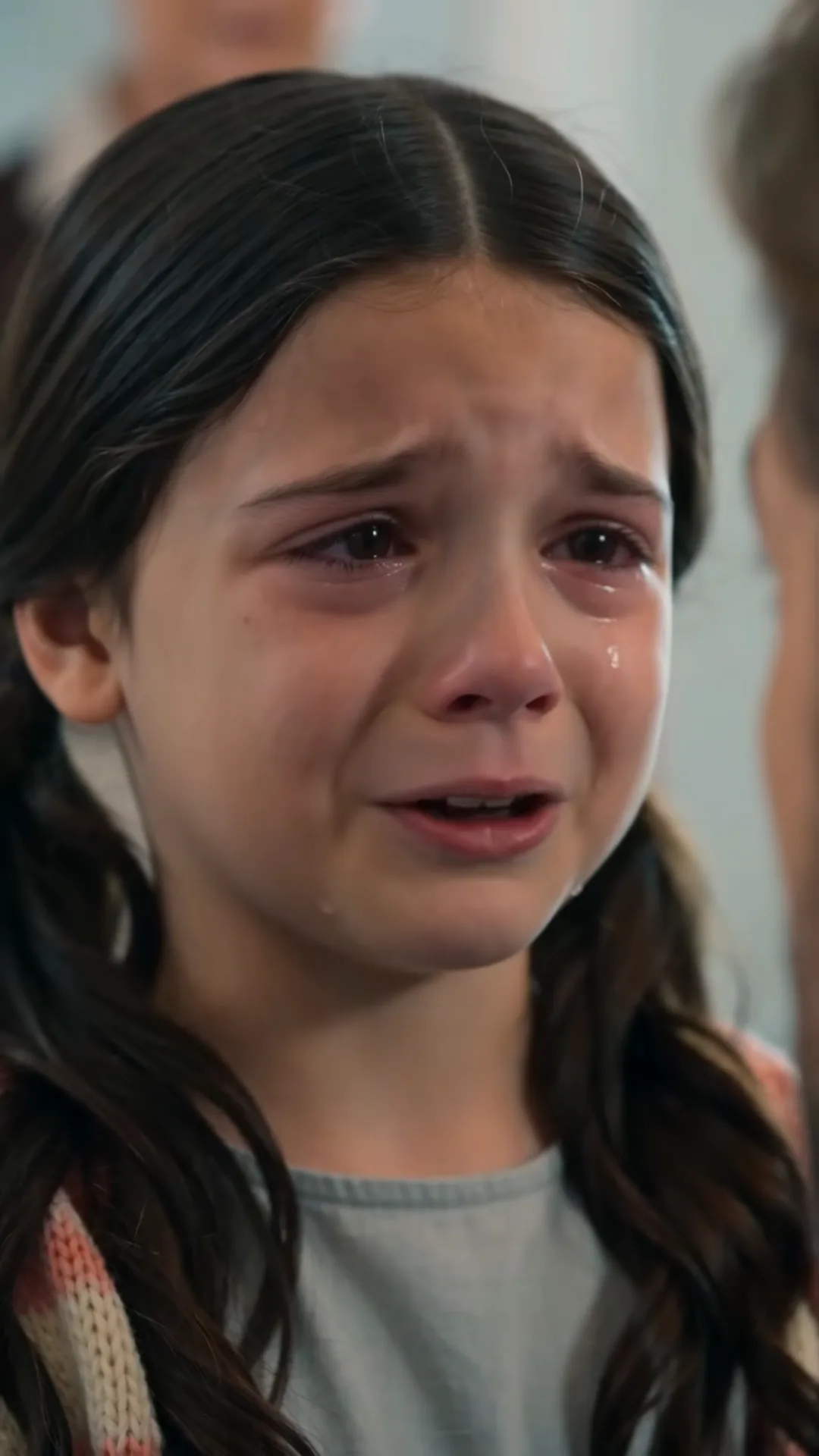
The civil suit settled eleven months after Elena's death — a grim, almost unbearable irony that Detective Ibarra pointed out gently to Mateo during one of their final phone calls, though neither of them said the number out loud with anything resembling humor.
Valentina did not go to prison.
The evidence, while damning to any reasonable observer, could not clear the legal threshold for criminal negligence causing death — the eleven-minute gap explainable, in the careful language of expert witnesses, as a plausible if tragic dissociative response to acute trauma.
But she lost everything else.
Her reputation. Her financial settlement, which Mateo's lawyers ensured was substantial enough to feel like genuine consequence, even without a criminal conviction attached. And, perhaps most permanently, any possibility of the quiet, secure life she had spent a lifetime engineering for herself.
---
Mateo learned, through channels he didn't seek out but couldn't entirely avoid, that Valentina had moved to another city entirely, taken a job far beneath her previous social aspirations, and largely disappeared from any social circle that might recognize her name from the news coverage that had, for a time, made her a minor object of public fascination and condemnation.
He felt no satisfaction in this.
He had expected, in the early weeks after Sofia's revelation, that he would feel something like vindication once consequences finally arrived.
Instead, he mostly felt tired. And sad, in a way that had less to do with Valentina specifically and more to do with the enormous, unnecessary tragedy the whole situation represented — a woman's insecurity, a child's terror, a wife's preventable death, all tangled together in eleven minutes that could never be gotten back.
---
The one-year anniversary of Elena's death arrived on a quiet Tuesday in early spring.
Mateo had expected the day to feel unbearable — had braced himself for weeks, the way you brace for a wave you can see building from a distance but cannot avoid.
Instead, it felt different than he'd expected. Not painless. Grief doesn't graduate to painlessness on any convenient calendar schedule. But quieter, somehow. More integrated. The specific ache of missing someone you've finally allowed yourself to properly grieve, rather than the sharper, more chaotic pain of an unresolved wound.
---
He and Sofia visited Elena's grave together that morning, just the two of them, carrying a small bouquet of the same roses that still, somehow, continued blooming stubbornly in the garden Elena had once tended with her own hands.
Sofia had grown taller over the past year. Steadier, in ways that were difficult to articulate but unmistakable to anyone who had watched her carefully — the particular resilience of a child who had survived something enormous and, with the right support, was slowly learning to carry it without being crushed underneath it.
"Do you think she knows?" Sofia asked quietly, kneeling beside the headstone, arranging the flowers with careful, deliberate attention. "That I told the truth?"
---
Mateo knelt beside her, resting a hand gently on her back.
"I think," he said slowly, choosing his words with the particular care he'd learned over the past year of hard, necessary conversations, "that your mother always knew you were brave. Even before any of this happened."
Sofia considered this, her small fingers still adjusting a single rose that kept tilting sideways against its neighbors.
"I was scared the whole time," she said. "When I told you. I thought you'd be angry at me, for not saying it sooner."
"I was never angry at you," Mateo said. "I was angry at myself. For not seeing what was happening in my own house. For letting you carry that alone for so long."
---
They sat together in comfortable silence for a long while, the spring air carrying the faint scent of the roses, distant birdsong filling the space where words felt unnecessary.
"Papá," Sofia said eventually.
"¿Sí?"
"I still hum her song sometimes. Is that okay? Or is it too sad?"
Mateo felt his throat tighten, the particular ache of grief and love arriving simultaneously, indistinguishable from each other in moments like this.
"It's more than okay," he said. "I hope you hum it your whole life. I hope you teach it to your own children someday, if you want to. That's not something sad. That's something she gave you that nobody can ever take away."
---
Sofia smiled — a small, genuine smile, the first Mateo had seen from her in longer than he could accurately remember.
She began humming, quietly, the same wordless tune Elena had made up years ago while braiding her daughter's hair on unremarkable Sunday mornings, a small piece of melody that had somehow survived every terrible thing that happened in the year since.
Mateo closed his eyes and listened.
For the first time in twelve months, the sound didn't break him.
It held him instead.
---
Later that evening, back at the house — a house that had slowly, carefully, over the past year, begun transforming from a museum of grief back into something resembling a home — Marisol prepared dinner in the kitchen, the radio playing softly, the specific ordinary chaos of daily life that had once seemed impossible to imagine returning.
Sofia sat at the kitchen table doing homework, occasionally glancing up to ask her father questions about long division that he answered with more patience than he'd known he possessed a year earlier.
The marble floors still gleamed, cold and beautiful as ever.
But the house no longer echoed the way it used to.
Somewhere along the way, without any of them fully noticing the transition, it had learned to hold sound differently. To hold laughter. To hold ordinary, unremarkable evenings that no longer felt like performances for an audience that didn't exist.
---
Mateo watched his daughter from across the kitchen, pencil gripped in her small hand, tongue poking slightly from the corner of her mouth in concentration, and thought about everything the past year had taken from both of them.
A wife. A mother. An entire version of their family that could never be reconstructed.
But it had also given them something, in its own terrible, roundabout way — a truth finally spoken out loud, a silence finally broken, a child's courage finally recognized rather than dismissed.
He thought about the eleven minutes that had cost them so much.
May you like



And he thought about the year since, slowly, painfully, rebuilding something honest from the wreckage those minutes had left behind.
---







